

What causes teeth to ache when eating?
Sore teeth during chewing are a common disease. Tooth ache may be caused by dental infectious diseases caused by bacteria in the mouth, as well as the destruction of the protective layer.
Tooth soreness is mainly caused by inflammation in the center of the dental pulp, and the gums contain nerve endings that are very sensitive to pain. Dental pulp inflammation may be caused by tooth decay, trauma, and infection. These abnormal stimuli can cause nerve endings to be stimulated, leading to tooth soreness. In more serious cases, severe pain may occur.
Pressure and the stimulation of heat and cold can cause teeth to feel sore and uncomfortable when eating. Eating hard food, as well as food with strong cold and hot irritants, can stimulate the pulp and nerve endings of teeth. This is mainly seen in unhealthy teeth with excessive enamel damage. Due to the lack of enamel protection, these teeth have poor tolerance to these stimuli and are prone to tooth soreness.
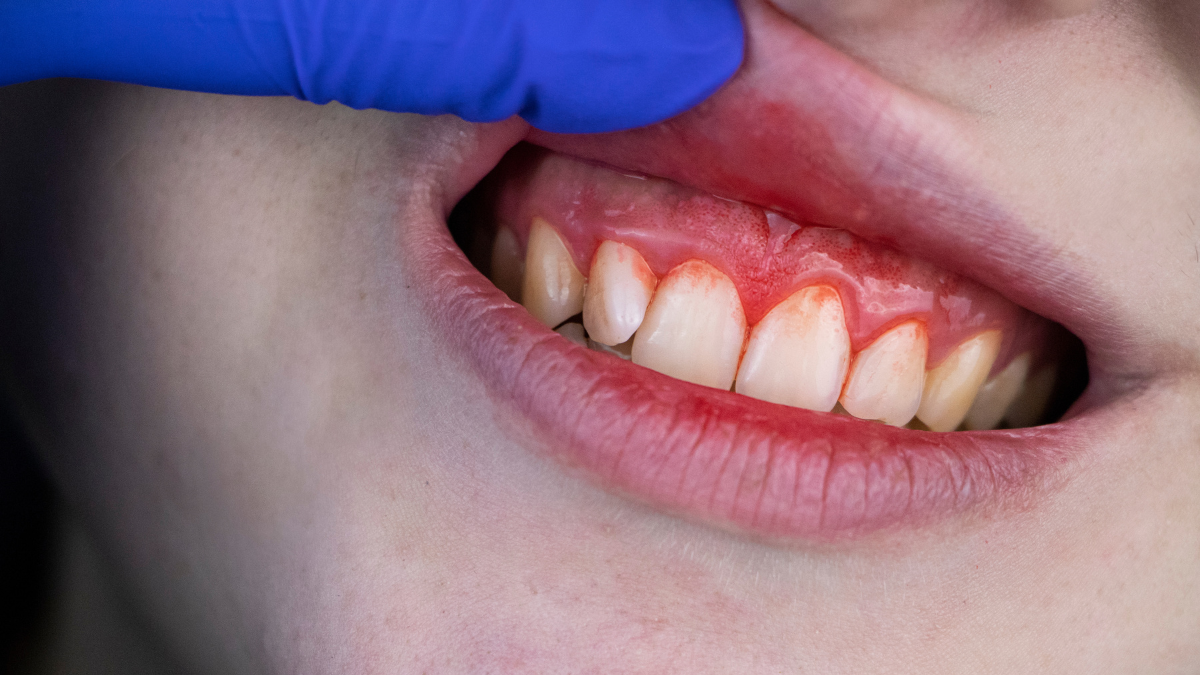
When experiencing tooth soreness, it is necessary to pay attention to the cleanliness of teeth, maintain good hygiene habits, and clean the dental environment in daily life in order to reduce the occurrence of tooth inflammation and minimize the damage to the protective layer of teeth.
When teeth experience soreness while eating, it indicates that the teeth themselves have developed unhealthy problems. After experiencing these symptoms, it is still necessary to seek medical attention promptly at a reputable hospital. Timely treatment should be given to avoid more serious dental caries problems.
What causes dental acid?
Teeth are very important for the body and can have an impact on diet and internal organ function. Teeth are prone to becoming sour and soft during brushing and eating, usually caused by dental caries, misaligned teeth, periodontitis, gum recession, and other factors.
1. Dental caries: Failure to brush teeth on time in daily diet and long-term accumulation of food in teeth can easily cause dental caries, which is one of the common causes of tooth soreness and weakness. Mainly due to the exposure of dental pulp nerves, they are easily stimulated by external factors, causing discomfort with dental acid.
2. Tooth misalignment: During the development of the body, teeth may become misaligned, which can have a certain impact on the gums of surrounding teeth, resulting in a sour and soft condition of the teeth.
3. Periodontitis: Patients with periodontitis usually experience bleeding when brushing their teeth in the morning, as well as soreness when chewing, and redness and swelling of their gums.
4. Gingival recession: Both physiological and pathological recession can cause symptoms of teeth becoming sore and soft. This is mainly due to the susceptibility of periodontal nerve endings to adverse physical stimuli such as cold and heat.
The symptoms of sour and soft teeth are usually caused by the above reasons. If you consume foods with strong acidity for a long time, your teeth may also experience symptoms of sourness and softening. It is recommended to take appropriate treatment according to the severity of the condition.
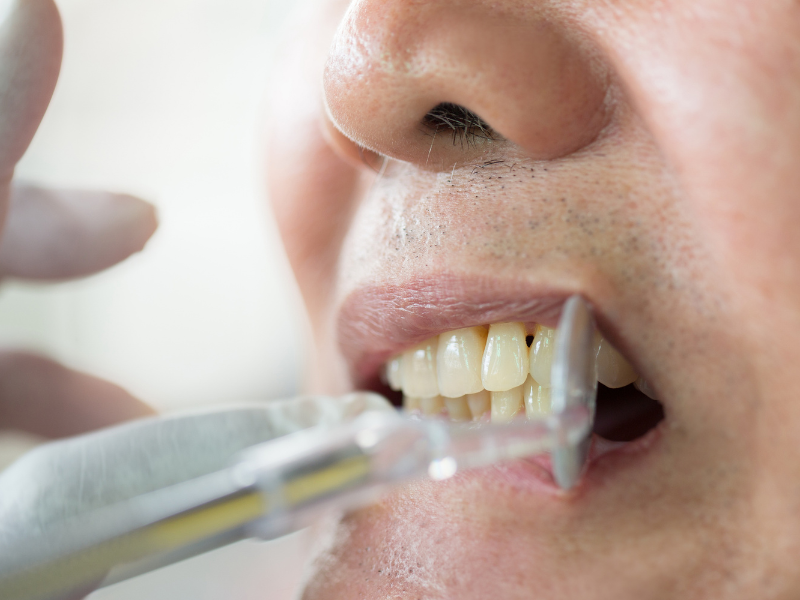
How to deal with and treat toothache?
If you have already experienced tooth soreness, it is recommended to take the following methods to alleviate it.
1. If tooth soreness is caused by cavities in the teeth, it is recommended to go to the hospital for removal and filling when the decay is mild. If there is a lot of decay that has already damaged the root of the tooth, it is recommended to go to the dentist for extraction in a timely manner.
2. If the symptoms of tooth soreness are caused by periodontitis, it is recommended to take drugs such as metronidazole and metronidazole for treatment when the symptoms are mild. If the condition is severe, it is necessary to go to the hospital for examination in a timely manner to prevent premature tooth loss.
3. Pay attention to oral hygiene, keep your mouth clean at all times, and use anti allergic toothpaste to brush your teeth, which can provide targeted protection against tooth soreness.
4. At the same time, more attention should be paid to diet, avoiding foods that are too cold, too hot, too sweet, or too hard. Eating more fresh fruits and vegetables and supplementing vitamins can have a good effect on treating toothache.
When the symptoms of tooth soreness are relatively mild, it is recommended to adopt the above four methods for relief. If the condition is severe, it is necessary to seek medical attention in a timely manner.