
Many people have long held a misconception: they dare not go to the dental clinic for a dental cleaning, believing that ultrasonic scaling will wear down their teeth, scratch the enamel, cause gaps between teeth to widen, and loosen their teeth. Due to this misconception, many people go years without cleaning their teeth, allowing dental calculus and plaque to accumulate, ultimately leading to oral problems such as bad breath, gum bleeding, periodontitis, and loose teeth.
As a basic dental clinical diagnostic and treatment device, ultrasonic scaler is currently recognized as the safest and most efficient dental cleaning equipment in dentistry. This article provides a comprehensive answer to the questions: Does the scaler actually harm teeth? Is there any harm in frequent scaling? It helps everyone to thoroughly dispel rumors and gain a scientific understanding of scaling.
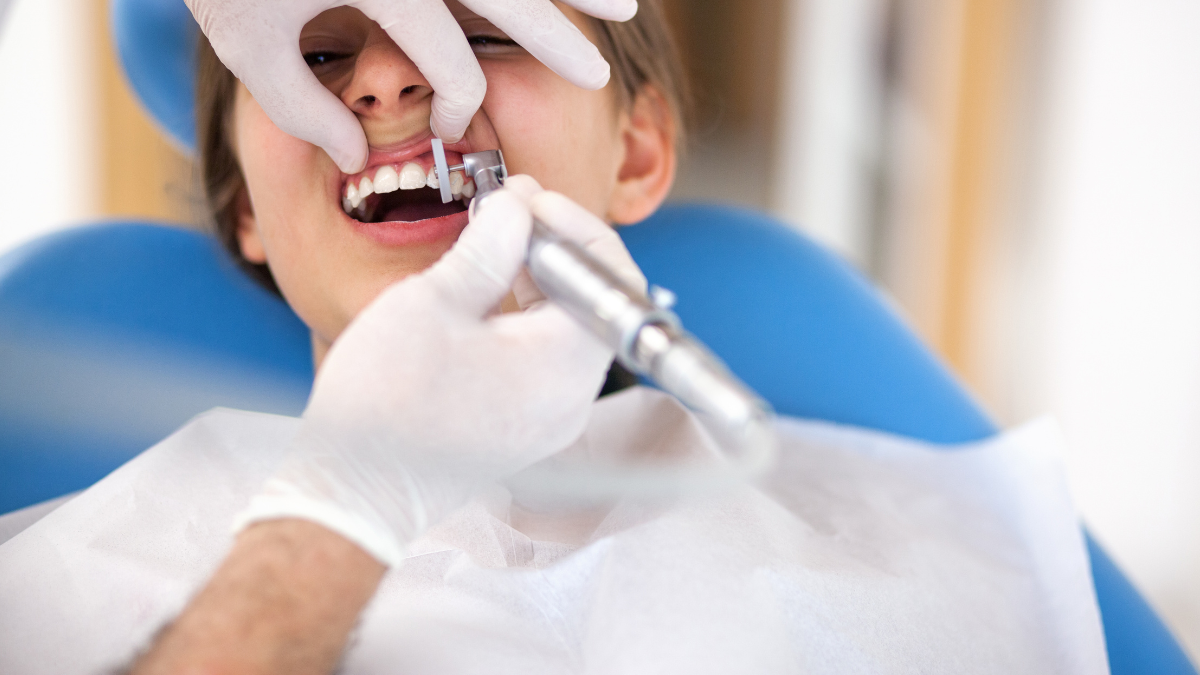
Professional dental institutions use specialized ultrasonic scaler machines and follow standardized procedures, ensuring no wear to tooth enamel or damage to teeth and gums. The working principle of the scaler is high-frequency ultrasonic vibration, which precisely breaks down dental calculus, plaque, and extrinsic stains attached to the tooth surface, rather than grinding or cutting the teeth themselves, causing zero harm to healthy dental tissues. The sensations of soreness and softness after scaling, as well as the perceived enlargement of tooth gaps, are all genuine indications of periodontal issues in the mouth, and are not caused by the scaler itself.
The vast majority of people believe that teeth cleaning can damage teeth, but the core issue is their misunderstanding of the working logic of ultrasonic scaler machines and the confusion between "vibration lithotripsy" and "grinding and cutting". From its principle to clinical operation, a regular dental-specific scaler machine will not damage healthy tooth structure, enamel, or gums. The specific reasons are as follows: 1. The working principle involves no cutting, only vibrating away dirt without grinding teeth. The core working method of an ultrasonic scaler is high-frequency micro-vibration, rather than grinding, scraping, or cutting teeth. The working tip of the scaler produces gentle high-frequency vibrations tens of thousands of times per second, precisely targeting stubborn dirt such as dental calculus, calcified plaque, tea stains, and cigarette smoke stains attached to the tooth surface. It uses vibration energy to break down and detach hard calculus from the tooth surface. The entire process does not contact or wear down hard enamel, and it is completely different from cutting equipment used for grinding or filling teeth, causing zero damage to natural tooth tissue.
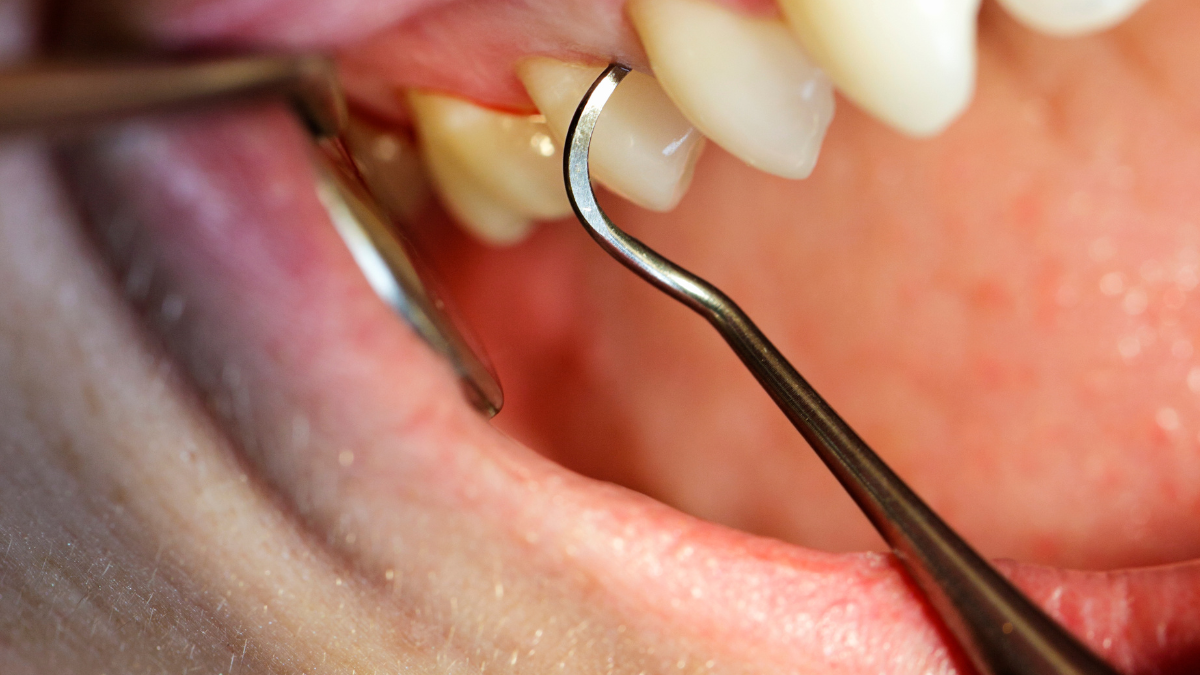
2. Targeted Cleaning, Acting Only on Foreign Matter Without Damaging the Tooth The cleaning capability of the toothbrush has a strong targeting ability, only acting on the foreign dirt attached to the outer layer of the teeth. The healthy and smooth enamel structure is hard and dense, and vibration cannot damage it; while dental calculus and plaque are foreign matter attached to the tooth surface, with loose and fragile structure, which can be easily peeled off by high-frequency vibration. The device only cleans harmful dirt, without damaging intact tooth tissue, accurately achieving the effect of "removing dirt and protecting teeth".
3. The dedicated working tip is made of soft, non-abrasive material. The regular medical dental scaler's working tip is made of specially crafted flexible alloy material, which is fine and soft in texture, rather than a sharp abrasive head. During clinical standard operation, the doctor will keep the working tip parallel to the tooth surface and slide it gently, without applying strong pressure or pressing vertically on the teeth. This eliminates the possibility of scratching or abrading the teeth from both hardware and operational perspectives, and its safety has been verified through long-term clinical trials.
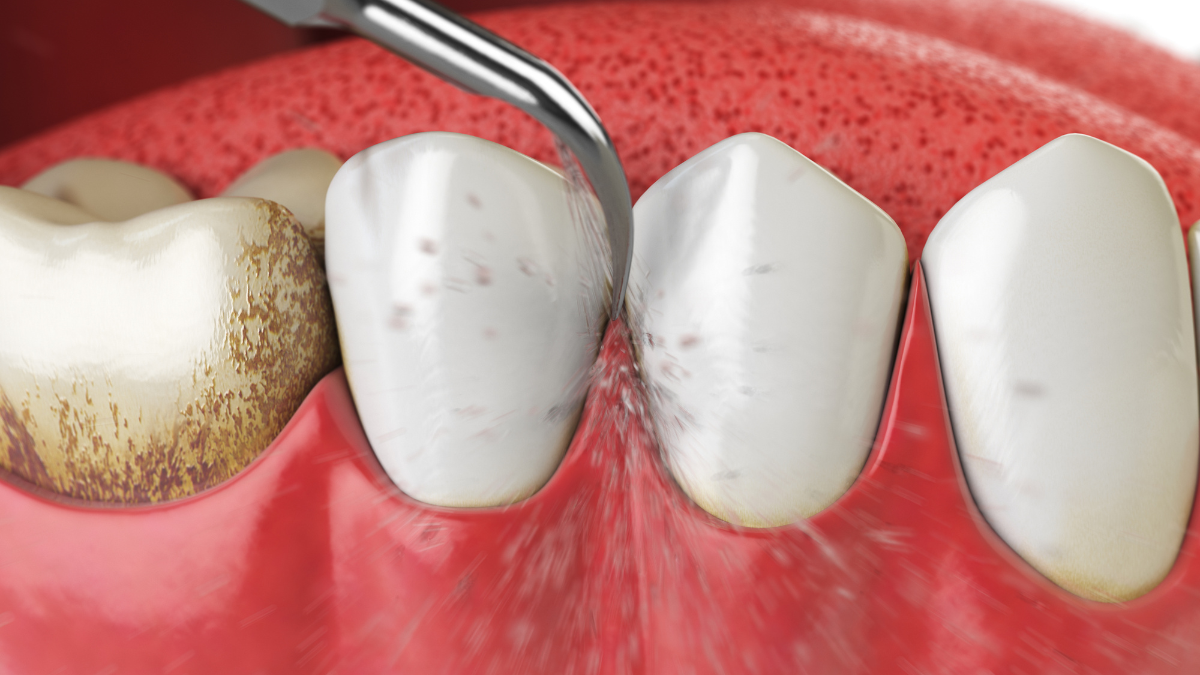
4. The discomfort felt after scaling is not caused by tooth damage. Many people experience tooth soreness, widened gaps between teeth, and mild gingival soreness after scaling, mistakenly believing that the scaling machine has damaged their teeth. This is actually a typical cognitive misconception. Long-term accumulation of dental calculus can wrap around the tooth roots, fill the gaps between teeth, and compress the gingiva, causing atrophy, thus isolating the teeth from external thermal stimuli. After the scaling machine removes the calculus, the previously shielded and protected tooth roots are exposed, causing the teeth to temporarily become sensitive, and the gaps between teeth return to their original state. These discomforts are the result of long-term periodontal damage, not caused by scaling, and will alleviate on their own within 1-2 weeks.
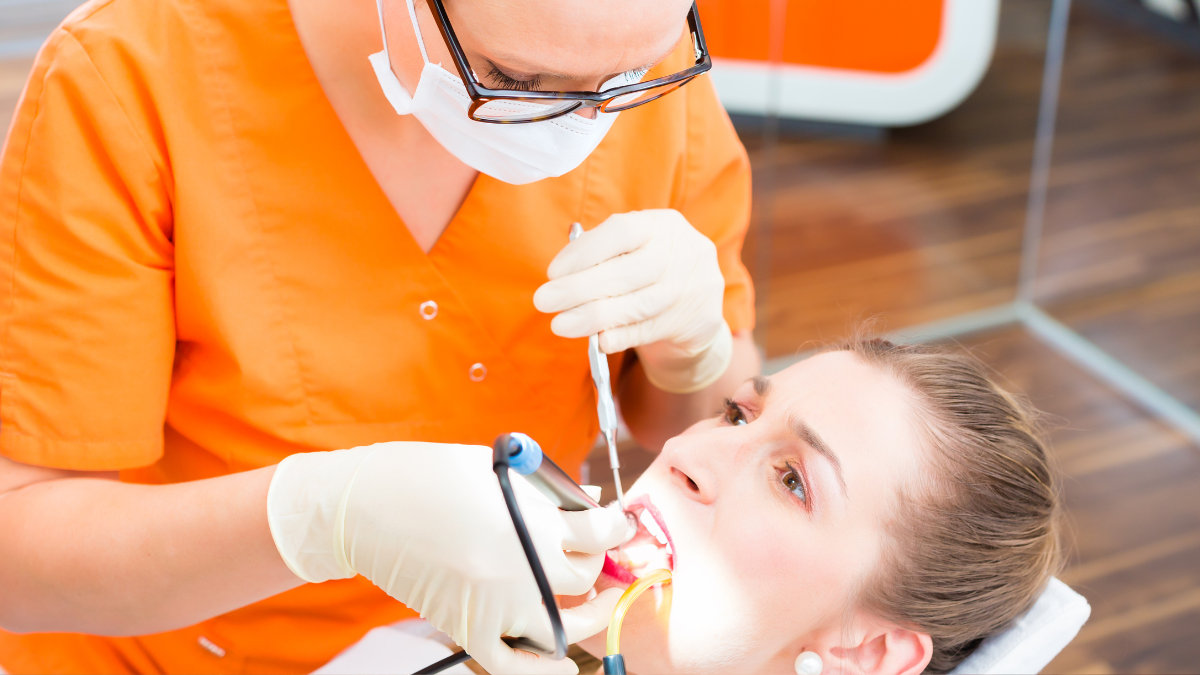
III. How Often is the Most Appropriate for Dental Cleaning? Many people are confused about the official standard frequency of dental cleaning, worrying that cleaning too frequently may damage their teeth, while cleaning too infrequently may lead to the accumulation of tartar. Based on the authoritative oral health recommendations of the World Health Organization (WHO), different groups of people should have their own specific dental cleaning cycles. Cleaning as needed not only protects teeth but also does not impose a burden. Using a professional dental cleaning machine for optimal cleaning results: 1. For ordinary healthy individuals (mainstream standard) who do not have periodontal diseases, brush their teeth cleanly daily, rarely accumulate tartar, do not smoke, and seldom drink strong tea or coffee, it is recommended to have dental cleaning once every 6-12 months. Regularly using a dental cleaning machine to remove stubborn plaque that cannot be removed by daily cleaning can prevent tooth decay, gingivitis, and bad breath from the root, making it the most cost-effective way to maintain oral health. If conditions permit, polishing treatment should be followed after dental cleaning. 2. For high-risk groups with oral health issues (need to shorten the cycle) who smoke, drink tea, and coffee for a long time, accumulate tartar and pigment quickly; suffer from gingivitis and mild periodontitis; have poor oral cleaning and are prone to food impaction, it is recommended to have dental cleaning once every 3-6 months. These groups experience rapid bacterial growth in the mouth, which can lead to calcified tartar in a short period of time. Regular high-frequency cleaning can prevent periodontal problems from worsening. If financial conditions permit, it is recommended to use a polishing machine and sandblasting machine for treatment.
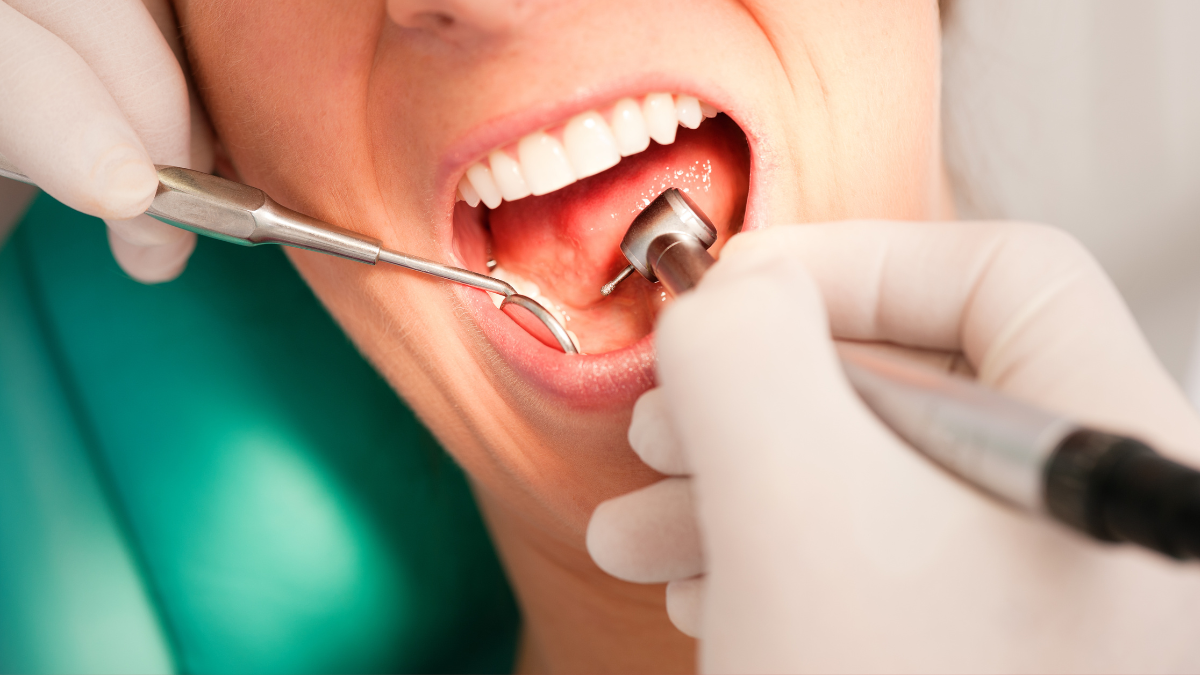
3. For patients with periodontal disease (special cleaning as per doctor's advice), those diagnosed with moderate to severe periodontitis, recurrent redness and bleeding of gums, resorption of alveolar bone, and slightly loose teeth, there is no need for a fixed and uniform frequency. Instead, they should follow the dentist's treatment plan for regular scaling and maintenance visits. By using a professional and gentle sleep dental scaler to deeply clean the plaque in periodontal gaps, inflammation can be controlled and tooth loosening and falling can be prevented.
4. Recommendations for Special Populations: Children, pregnant women, and middle-aged and elderly individuals do not require frequent dental cleanings. It is sufficient to maintain a routine dental cleaning and oral examination once a year. Use a gentle sleep-friendly dental scaler, and operate it at a mild setting to ensure safety and avoid irritation, suitable for special physical conditions and oral states.
Key rumor debunking: Using a dental scaler for dental cleaning within the regular cycle does not lead to the situation of "damaging teeth by cleaning too frequently". Delaying dental cleaning for years and allowing dental calculus to compress the gums and corrode the tooth structure over a long period of time is the core culprit that harms teeth.