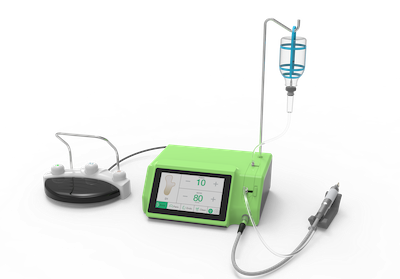
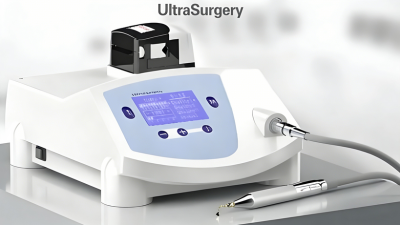
Introduction: Changes in dental surgery revealed by data
"Statistics from the American Dental Association in 2024 show that in clinics using ultrasonic bone knives, a single implant surgery is shortened by an average of 23 minutes, and the postoperative swelling rate of patients is reduced by 61%."
The conflict between the high complication rate caused by traditional bone chisel tools and the modern minimally invasive needs is becoming more and more obvious. How to reduce complications and improve surgical efficiency through new technologies is particularly important. This article will analyze how ultrasonic bone knives can reshape the dealer profit model through technological innovation.
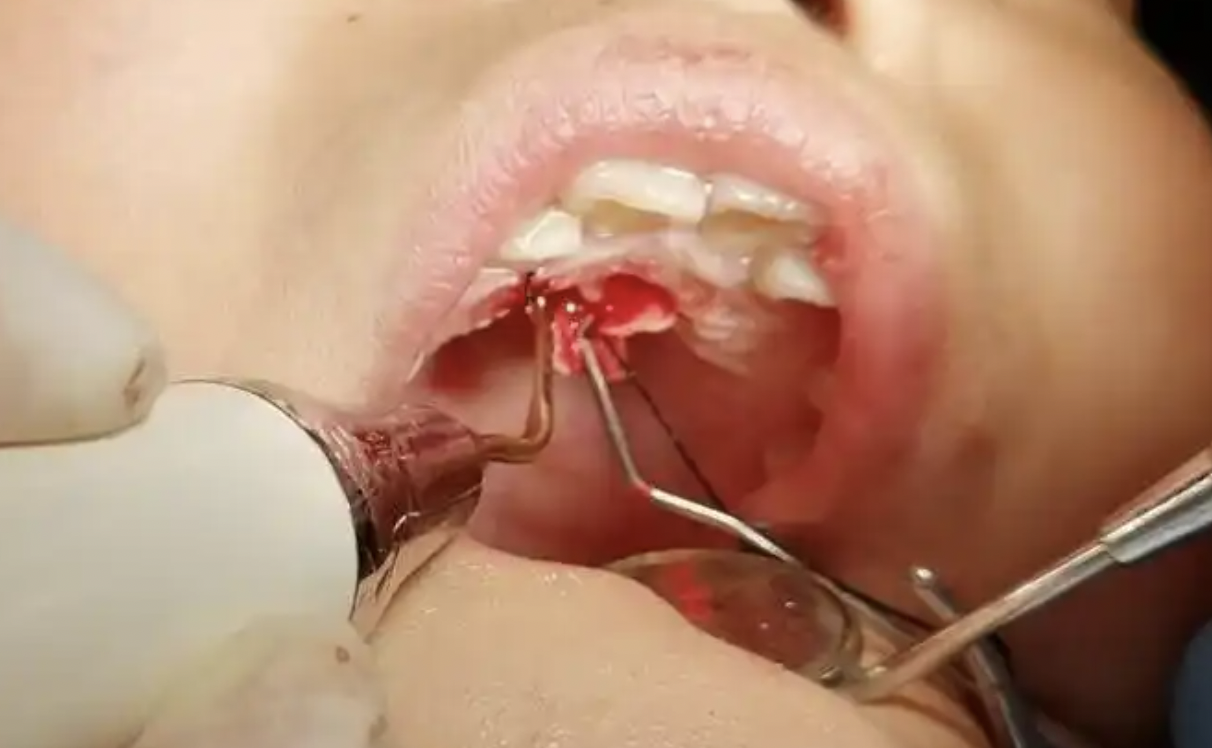
1. Technical Digging: Four Core Technology Breakthroughs of Ultrasonic Osteotomy
1. Ultrasonic Vibration System: Subverting Traditional Cutting Logic
Working Principle:
24-40kHz high-frequency vibration (much higher than 500-3000Hz of traditional electric saws)
Cavitation effect: 20 million microbubble explosions per second to achieve selective bone cutting (only bone cells are destroyed, and the surrounding soft tissue damage rate is <0.5%)
Pressure sensing feedback: Real-time adjustment of amplitude (0.1-50N) to cope with different bone hardness
2. Intelligent surgical mode: Adapt to 80% clinical scenarios
| Mode | Frequency (Hz) | Best Application | Efficiency Improvement |
| Bone Cutting Mode | 35kHz | Maxillary Sinus Lifting,Bone Splitting | +40% |
| Root Canal Trimming Mode | 28kHz | esidual Root Treatment | +25% |
| Soft Tissue Treatment Mode | 40kHz | Periodontal Pocket Inner Wall Cleaning | Bleeding Volume↓76% |
| Precision Carving Mode | 32kHz | Implant Socket Preparation | Edge Accuracy±0.3mm |
|
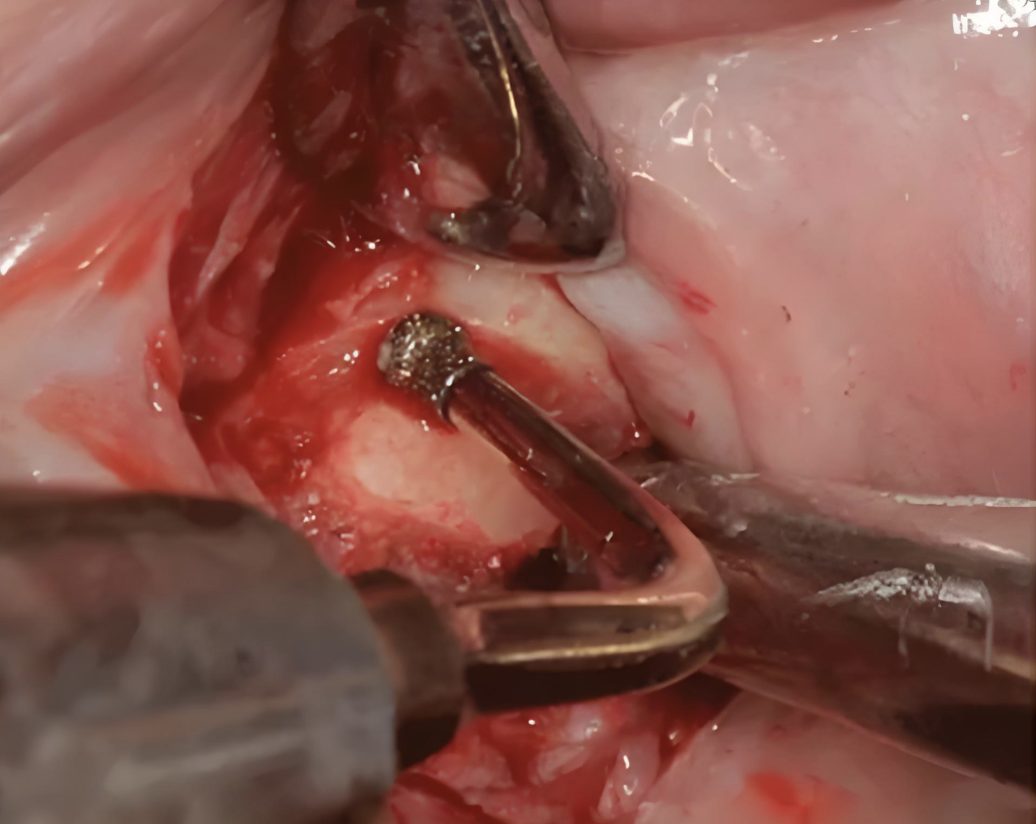
3. Innovative cooling system: breaking through traditional limitations
Technical comparison:
Oscillating cooling vs traditional spray cooling
Temperature control: 4-8℃ constant (traditional system fluctuates 15-25℃)
Cooling efficiency: 60% lower heating rate (reducing the risk of thermal damage)
4. Durability design: reducing long-term use costs
Core component life:
Titanium alloy transducer: cumulative cutting volume 5000g (equivalent to 20 times of traditional bone knife)
Bearing wear rate: <0.3mm per month (industry average 0.8mm)
Maintenance cost: annual maintenance cost <150 (traditional equipment 400+)
2. Clinical advantages: data-driven purchasing decision-making basis
1. Reduce complications: improve patient satisfaction
Blood loss control: 0.5ml in ultrasound group vs 2.1ml in electric saw group (Dental Trauma 2022)
Nerve injury rate: 0.7% vs 2.3% (traditional tools)
Postoperative recovery time: average 3 days vs 7 days
2. Improve surgical efficiency: directly increase revenue
Immediate implant cases:
Traditional solution: average operation time 112 minutes
Ultrasonic solution: 89 minutes → 2 more operations can be completed per day
Increase in customer unit price: The average price of implant surgery in clinics equipped with ultrasonic bone knives increased by 28%
3. Hospital compliance: avoid policy risks
Infection control: fully sealed design, colony count <10CFU/mL (in line with JCI standards)
Certification advantage: the only ultrasonic bone knife that holds ISO 13485, CE, and FDA 510(k)
III. Dealer profit model: how to build sustainable income
1. Accurate screening of target customers
High-value customer characteristics:
Comprehensive dental hospitals with annual purchases >$1 million
Microendodontic centers specializing in complex cases
Clinics that have completed digital transformation in the past three years
2. Differentiated service solutions
markdown
- **Value-added service package**: ▸ Free "Ultrasonic bone knife clinical operation certification course" (including 10 hours of online training)
▸ Surgical video analysis system (identify operational defects and improve doctor skills) - **After-sales service**: ▸ Global warranty network (4-hour response, 80 countries covered)
▸ Equipment performance calibration twice a year
3. Successful case demonstration
A high-end dental case in Hangzhou:
Six months after equipment purchase:
The repurchase rate of implant surgery increased by 35%
Patient satisfaction reached 9.6/10 points (industry average 8.2)
Annual purchase amount increased from 800,000 to 1.5 million
International distribution data:
The annual growth rate of the Southeast Asian market is 92% (mainly in the field of periodontal treatment)
Orders in the Middle East increased by 140% (adapting to high temperature and high humidity environment)