
When choosing a dental treatment instrument set for children, special consideration should be given to the children's special needs, behavioral characteristics, and the safety, comfort, and efficiency of the treatment. The following are detailed guidelines to help you choose an instrument set suitable for children's dental treatment:

1. Special needs of children's dental treatment
Psychological characteristics: Children often have a fear of dental treatment, and the design of the instrument should minimize the visual and tactile threat.
Physiological characteristics: Children have smaller mouths, and their teeth and gums are more fragile, so the instruments need to be smaller and gentler.
Treatment efficiency: Children have a low degree of cooperation, so the treatment time should be shortened as much as possible, and the instruments need to be efficient and easy to use.
2. Key factors in choosing a dental instrument set for children
(1) Instrument size and design
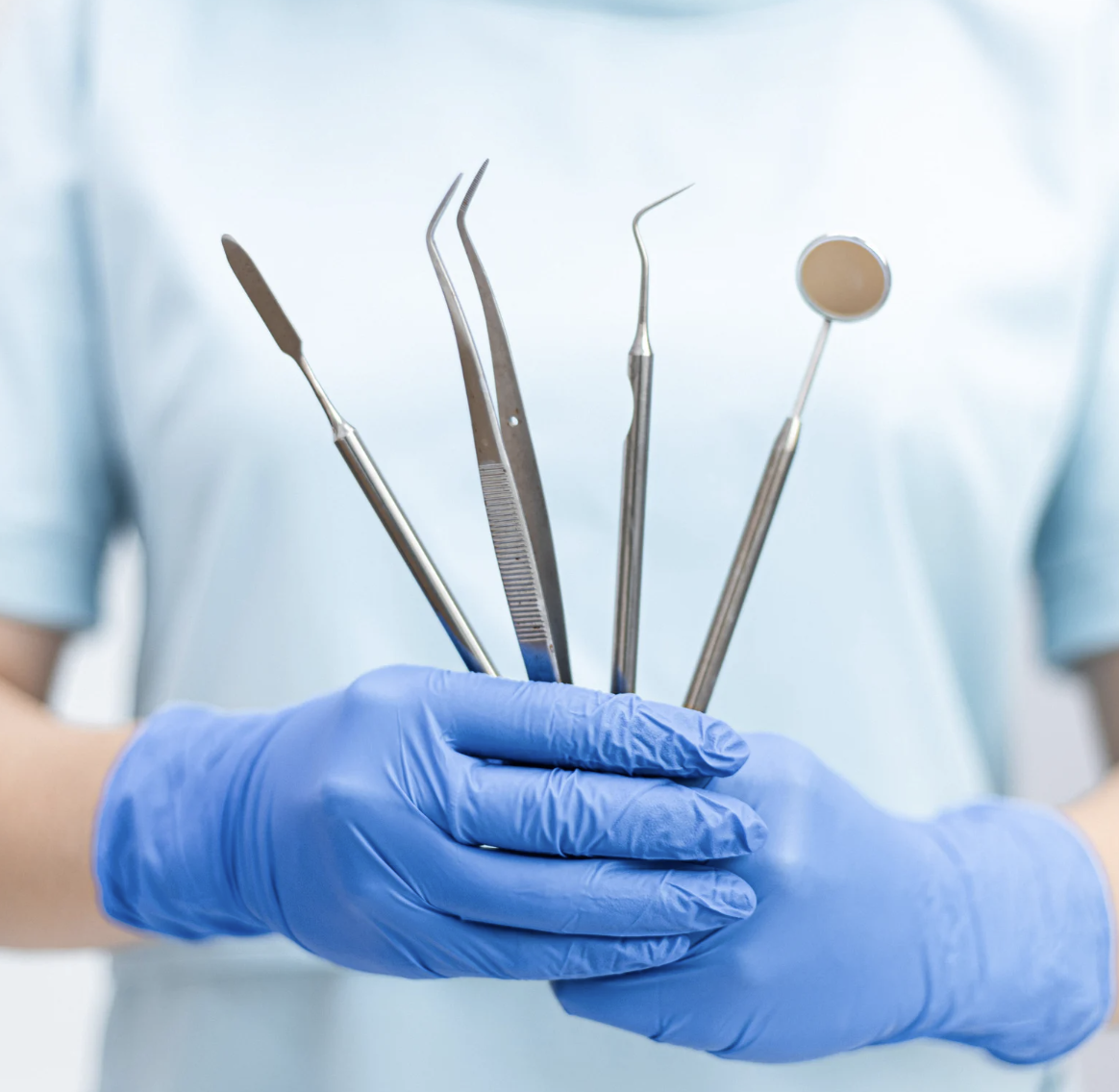
Small and delicate: Choose instruments designed specifically for children, such as small mouth mirrors, probes, and tweezers, to fit the smaller oral space of children.
Rounded design: The edges of the instruments should be smooth to avoid sharp parts and reduce damage to children's oral tissues.
Color and shape: Use colorful or cartoon-shaped instruments to reduce children's nervousness.
(2) Material and safety
Medical-grade materials: Ensure that the instruments are made of high-quality materials such as stainless steel or titanium alloy, which are corrosion-resistant and easy to sterilize.
Non-toxic and environmentally friendly: Avoid using materials that may cause allergies to ensure compliance with medical safety standards.
Lightweight design: The instrument should be light to facilitate the doctor's operation while reducing the child's discomfort.
(3) Functionality
Multi-functional integration: Choose instruments with diverse functions, such as mouth mirrors that combine saliva suction and lighting functions, to reduce the frequency of instrument replacement.
Efficient operation: The instrument should be easy to hold and operate, suitable for doctors to complete treatment quickly.
Adaptability: Ensure that the instrument is compatible with common pediatric dental equipment (such as pediatric dental chairs, lighting systems).

(4) Disinfection and maintenance
High-temperature disinfection: Choose instruments that can withstand high-temperature and high-pressure disinfection to ensure hygiene and safety.
Easy to clean: The surface of the instrument should be smooth and free of cracks to avoid dirt residue.
Durability: Choose instruments that are resistant to wear and tear to reduce replacement frequency and long-term costs.
3. Core components of a children's dental instrument set
The following is an example of the core components of an instrument set suitable for children's dental treatment:
Instrument name | Functional description | Design recommendations for children |
Mouth mirror | Used to observe the inside of the mouth | Small size, rounded edges, anti-fog design |
Probe | Used to check the health of the tooth surface and gums | Blunt tip design to avoid damaging soft tissue |
Tweezers | Used to pick up cotton balls, medicines, etc. | Small and light, with smooth tips |
Saliva suction device | Used to remove saliva and moisture | Low noise, soft suction head to reduce children's discomfort
|
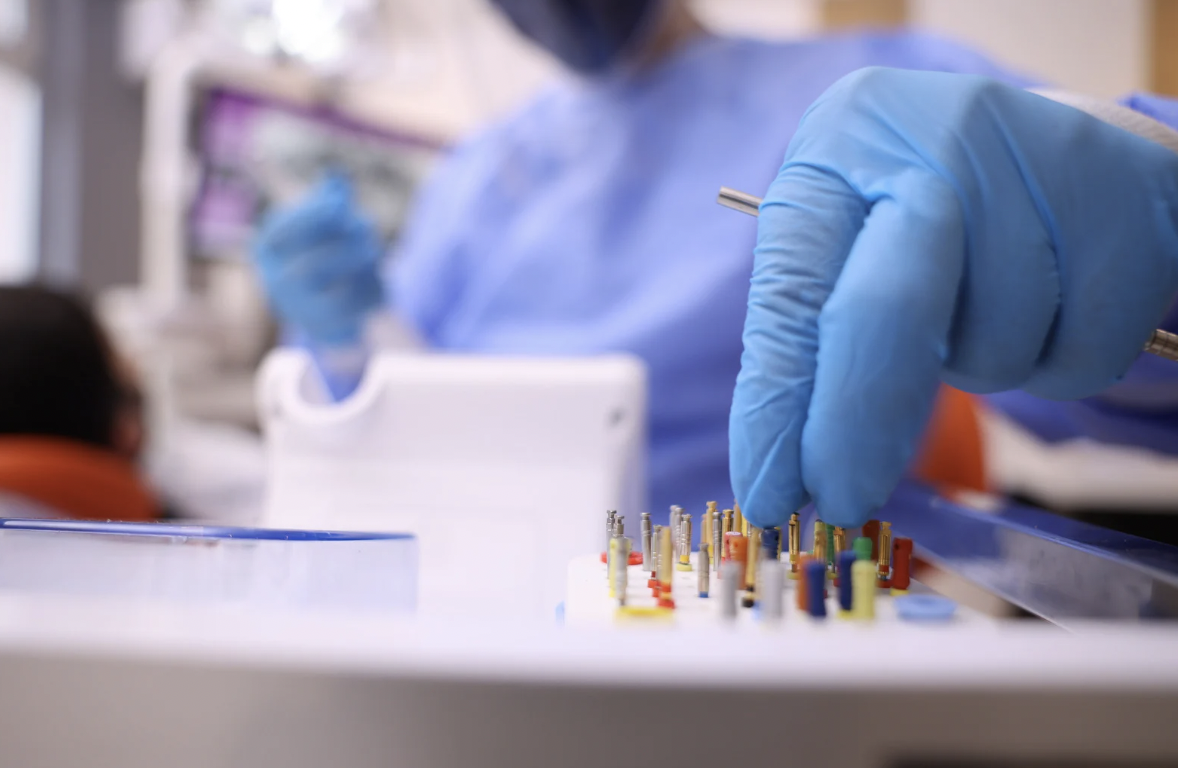
Dental drill | Used for caries restoration and tooth grinding | Low noise, high speed, reduce vibration and pain |
Filling instrument | Used for placement and shaping of filling materials (such as composite resin) | Small size, suitable for deciduous teeth |
Damage clamp | Used to fix rubber dam and isolate the treatment area | Suitable for deciduous teeth size, easy to install |
Light curing | Used to cure filling materials | Small and light, low heat output, protect children's oral tissue
|
4. Brand and product recommendations
The following are some brands and products that perform well in the field of children's dental instruments:
Brand:
KIDS Crown (focusing on children's dental instruments)
Hu-Friedy (providing high-quality children's instruments)
3M ESPE (children's filling materials and instruments)
Products:
Children's mouth mirror set (such as Hu-Friedy's Mini Mouth Mirror)
Low-noise dental handpieces (such as NSK's children's handpieces)
Children's rubber dam kit (such as Coltene's Kids Dam Kit)
5. Procurement and use suggestions
1.Trial and evaluation: Before purchasing, you can apply for sample trials from suppliers to evaluate the suitability of the instruments and children's reactions.
2.Training and adaptation: Ensure that medical staff are familiar with the use of children's instruments and conduct simulated operation training.
4.Parent communication: Show parents the safety of the instruments and enhance their trust in treatment.
5. Cost and Budget
Initial Investment: Children’s dental instruments are usually more expensive, but in the long run, their safety and efficiency can reduce treatment risks and improve patient satisfaction.
Maintenance Cost: Choose durable and easy-to-maintain instruments to reduce long-term replacement and repair costs.
Summary
When choosing an instrument set suitable for children’s dental treatment, it is necessary to consider the size, material, functionality and safety of the instrument. By choosing instruments designed specifically for children, not only can the treatment efficiency be improved, but also the fear of children can be reduced, and the overall treatment experience can be improved. It is recommended to give priority to products from well-known brands and fully try and evaluate them before purchasing.