
The dental root gauge (root canal length measuring instrument) is an important tool for accurately measuring
the length of the root canal during root canal treatment. Correct use can improve the success rate of treatment
and reduce complications. The following are specific methods of use and precautions:
I. Preparation before use
1. Equipment inspection
- Make sure that the instrument is fully charged, the electrode line is connected normally, and the probe is not
damaged.
- Calibrate the instrument (some models need to be automatically calibrated after powering on).
2. Patient preparation
- Dry oral treatment for the patient (cotton balls can be used to keep it moist).
- Remove temporary seals or decay at the root canal opening to ensure patency.
3. Connect electrodes
- Mouth corner hook electrode: clamp on the patient's lips or mouth corners.
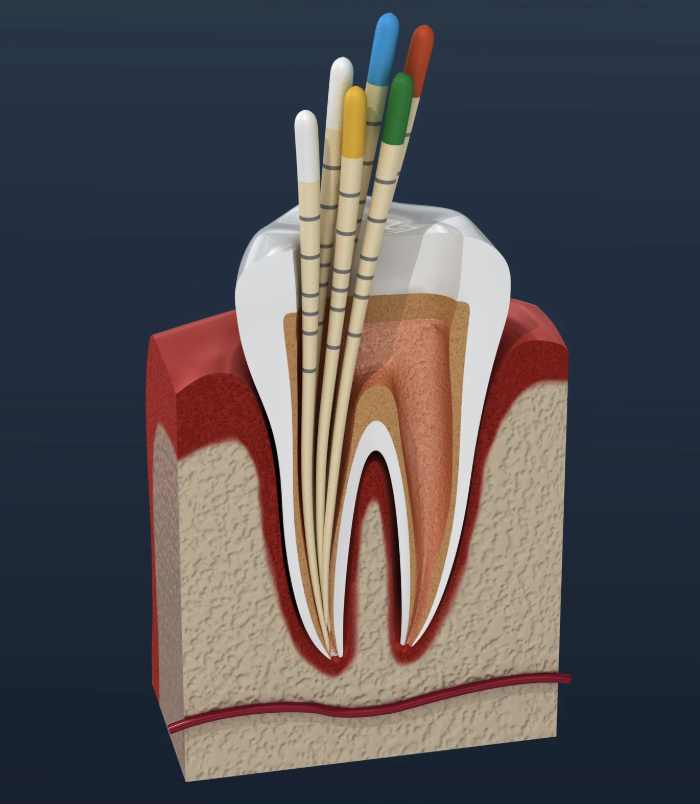
- Root canal file electrode: insert the root canal file into the root canal (do not touch the gums or metal
restorations).
II. Operation steps
1. Power on and mode selection
- Select the measurement mode (automatic/manual mode) after powering on:
- Automatic mode: The instrument automatically detects the position of the apical foramen.
- Manual mode: gradually push the file into the root canal and observe the changes in the screen value.
2. Measure the root canal length
- Slowly insert the root canal file into the root canal, keeping the file in slight contact with the root canal wall.
- Observe the display value:
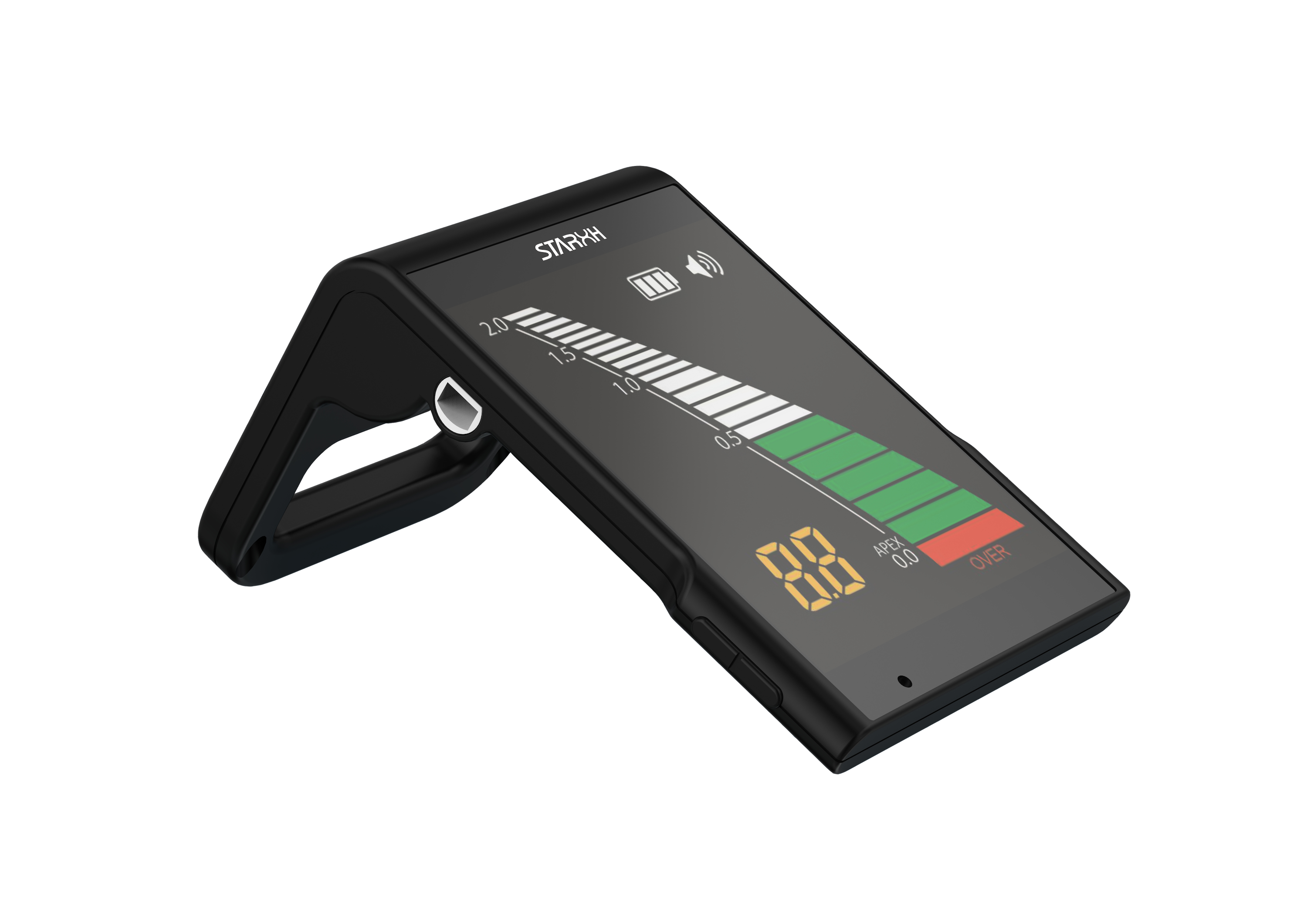
- The value gradually rises: when approaching the apical foramen, the value will suddenly jump (such as from
0.5 to more than 1.0).
- Prompt sound or screen flashing: the instrument will issue a prompt when reaching the apical foramen.
- Record the measured value (for example: the instrument shows that the root canal length is 21mm).
3. Verify accuracy
- Multiple measurements: repeat 2-3 times to take the average value to reduce errors.
- Combined with X-ray film: use the preliminary measurement value to adjust the X-ray projection angle to confirm
whether the file tip reaches within 1mm of the apex.
III. Precautions
1. Interference factor handling
- If there is exudate or blood in the root canal, it needs to be dried before measurement (liquid conductivity affects
accuracy).
- Avoid contact between the file needle and metal restorations (such as crowns and bridges), otherwise it will cause
short circuits or false alarms.
2. Special case treatment
- Calcified root canal: Slowly advance in manual mode and judge the resistance by feel.
- Curved root canal: Use nickel-titanium files with good elasticity to reduce the risk of instrument separation.
3. Contraindications
- Patients wearing pacemakers should be cautious (some instruments may generate electromagnetic interference).
IV. Maintenance and care
1. Daily cleaning
- Wipe the probe and electrode after use to avoid residual blood or debris.
- Disinfect the contact area with alcohol cotton pads regularly.
2. Storage requirements
- The instrument should be stored in a dry environment to avoid high temperature or humidity.
3. Troubleshooting
- If the measurement is unstable, check whether the electrode contact is good, or replace the battery/probe.
V. FAQs
- Q: The measurement results fluctuate?
A: It may be due to exudate in the root canal, the file needle contacts the gums or metal restorations, and the root
canal needs to be dried again and the file needle position needs to be adjusted.
- Q: The instrument does not respond?
A: Check whether the electrode is clamped, whether the battery is exhausted, or restart the device.
- Q: How to measure the unclosed apical foramen?
A: Refer to the X-ray film, combined with the feel (breakthrough feeling) and the instrument prompt, and use the value
near "0.0" as a reference.
Summary
The use of dental root gauges requires a combination of operating skills and clinical experience. The key steps include
drying the root canal, correctly connecting the electrode, slowly advancing the instrument, and multi-dimensional verification
of the results. After mastering it, the accuracy and efficiency of root canal treatment can be significantly improved. If it is used
for the first time, it is recommended to operate under the guidance of a senior doctor.