
In modern endodontics, root canal therapy is the primary method for treating pulpitis, periapical periodontitis, and root inflammation. Many assume that root canal therapy relies solely on using a endo motor for canal shaping; however, clinical data indicates that over 90% of post-treatment issues—such as recurrence, occlusal pain, and persistent inflammation—stem from incomplete root canal cleaning.
Traditional syringe irrigation cleans only the open areas of the main root canal, failing to reach intricate branches, isthmuses, curved apical regions, or biofilms adhering to the canal walls. As an essential piece of digital cleaning equipment in modern endodontics, the endo activator (or activator) enables deep cleaning of "dead zones," enhances disinfection, and significantly reduces the need for retreatment, making it a standard tool in dental clinics.
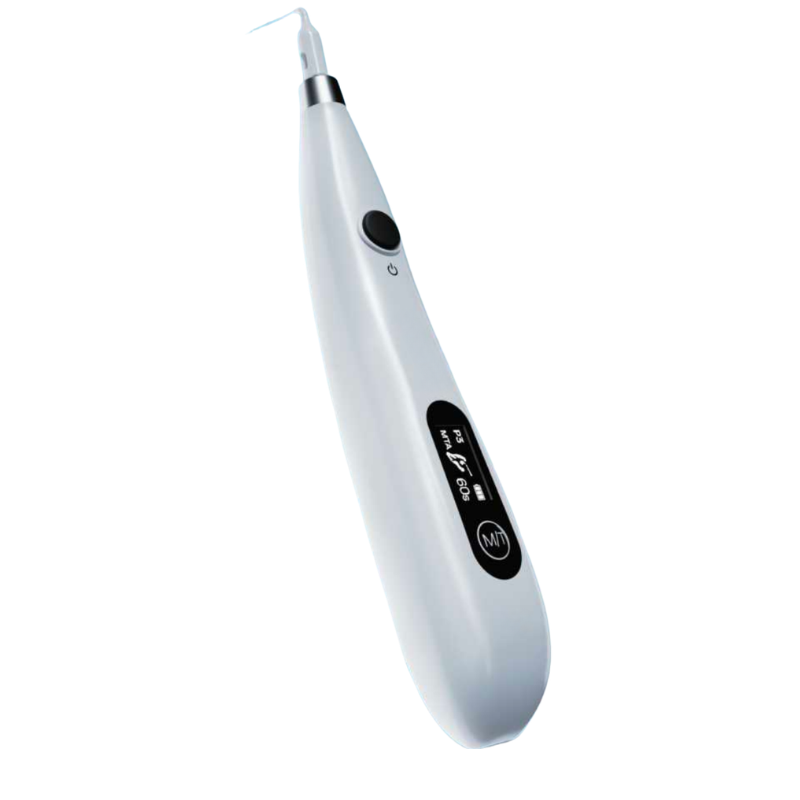
I. What is a endo activator ?
A endo activator (also known as an ultrasonic root canal activator or irrigation activator) is a high-frequency ultrasonic cleaning device designed specifically for root canal therapy. Unlike traditional manual irrigation, it uses high-frequency ultrasonic vibrations to activate the irrigant and employs physical effects to thoroughly clean the root canal system. It serves as a critical tool for disinfection and cleaning during the stage between canal shaping and obturation (filling).
To put it simply: the endo motor shapes and enlarges the canal, while the endo activator ensures it is thoroughly cleaned; using these two devices in tandem is essential for achieving standardized, high-quality root canal therapy.
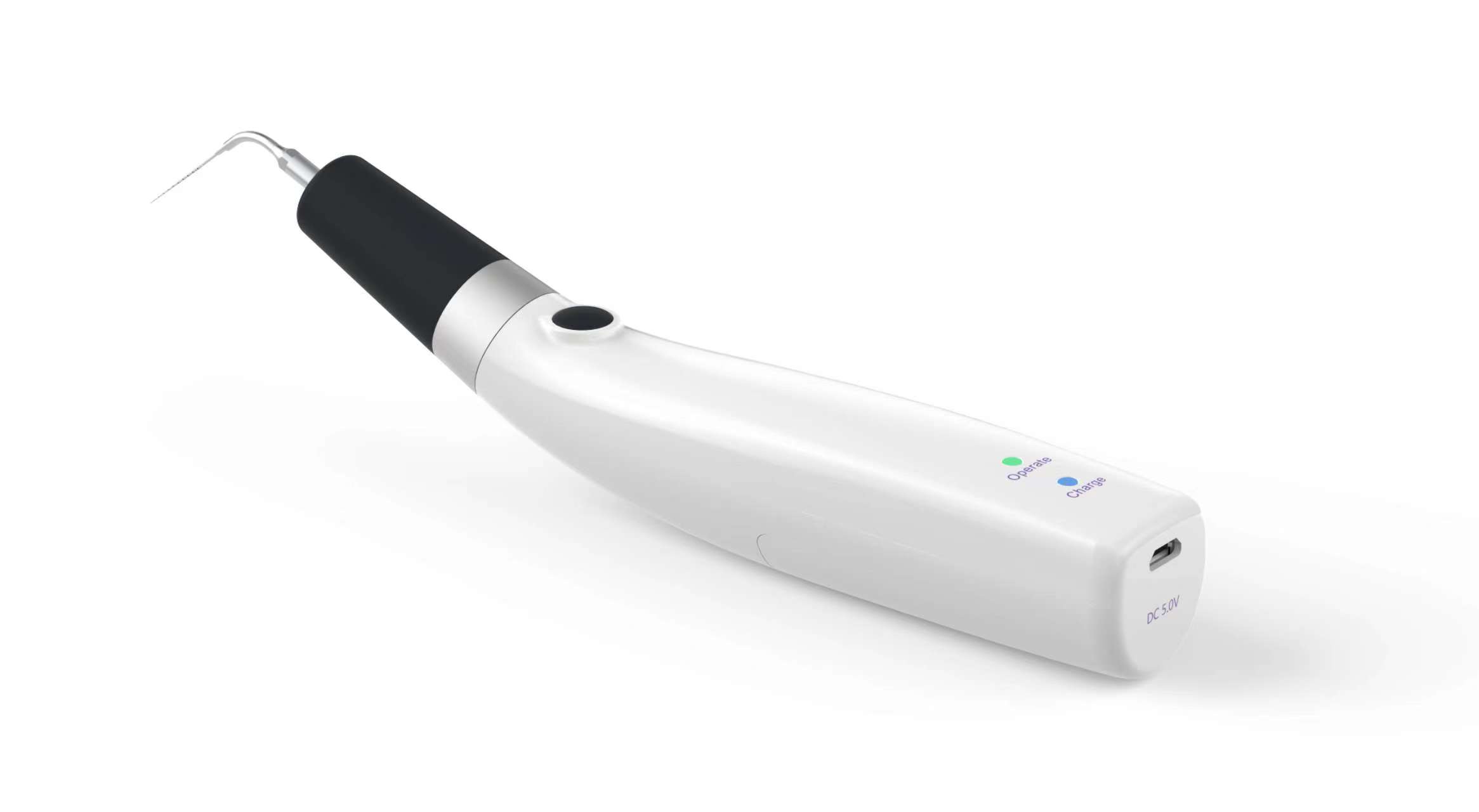
II. Working principles of the endo activator
The root canal system is anatomically complex, featuring hidden structures such as lateral canals, apical ramifications, and isthmuses that standard irrigation fluids cannot penetrate. The endo activator achieves thorough cleaning—leaving no dead zones—by utilizing two core physical effects:
1. Cavitation effect
The device's working tip vibrates at high frequencies, generating countless microscopic bubbles within the irrigant. The instantaneous collapse of these bubbles creates micro-shockwaves that dislodge dentin debris, the smear layer, and stubborn bacterial biofilms adhering to the canal walls, thereby overcoming the limitations of manual irrigation.
2. Acoustic Streaming Effect
Ultrasonic vibration drives the irrigant to form a stable, directional micro-flow of liquid. This overcomes the "air-lock" effect within the root canal, allowing irrigants like sodium hypochlorite and EDTA to fully penetrate the apical third and narrow lateral canals. This achieves comprehensive disinfection and effectively removes residual necrotic pulp tissue and bacterial metabolites.
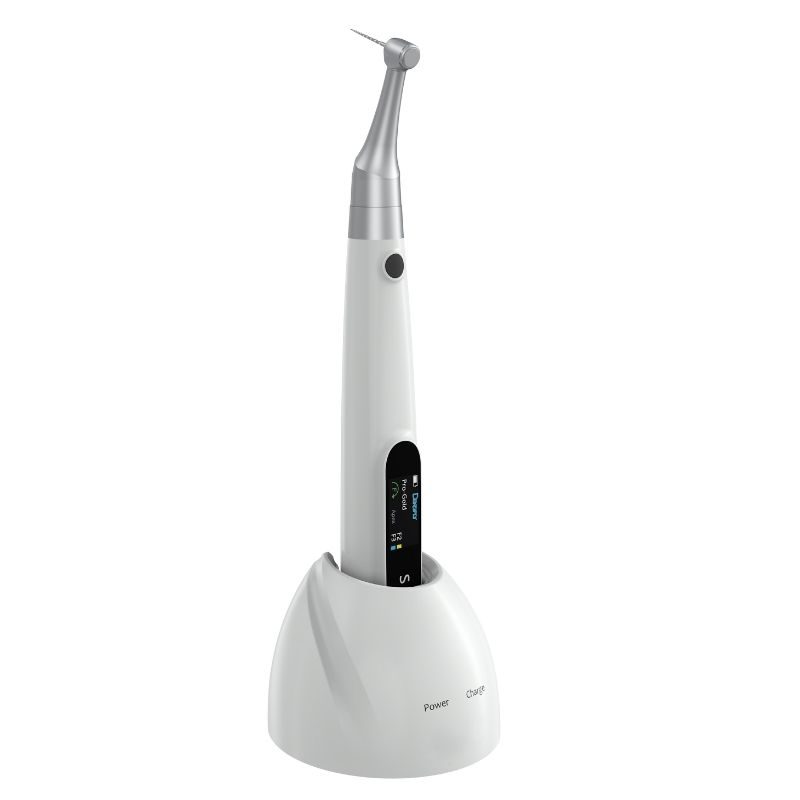
III. Differences Between endo motor and endo activators
The function of a endo motor is to cut and enlarge the root canal pathway. Used with rotary or reciprocating NiTi (nickel-titanium) files, it smooths and widens narrow, curved canals, establishing a clear path for subsequent medication and obturation. Simply put, it acts as a "grinder or drill" inside the root canal. It operates by using a motor to drive the file in a rotary or reciprocating cutting motion, grinding away dentin with the metal file. These motors consume machine-use NiTi files, which are high-frequency consumables requiring regular replacement.
The function of a endo activator is deep cleaning, sterilization, and debris removal. A fine working tip extends into the canal and vibrates at high ultrasonic frequencies, activating irrigants (such as sodium hypochlorite and EDTA) to flush out lateral canals and "dead zones," removing bacteria, debris, and the smear layer. Simply put, it acts as a "high-pressure washer" for the root canal. It operates via high-frequency piezoelectric ultrasonic vibration; it does not cut tooth structure but instead agitates the irrigant to generate cavitation and acoustic streaming effects for cleaning. Irrigators use disposable tips and irrigating solutions, resulting in lower consumable costs.
The clinical workflow proceeds as follows: first, the endo motor is used to enlarge and shape the canal; next, the endo activator is used to thoroughly flush out all dead zones inside the canal; finally, warm gutta-percha obturation is performed. The two devices are complementary partners; neither can replace the other.
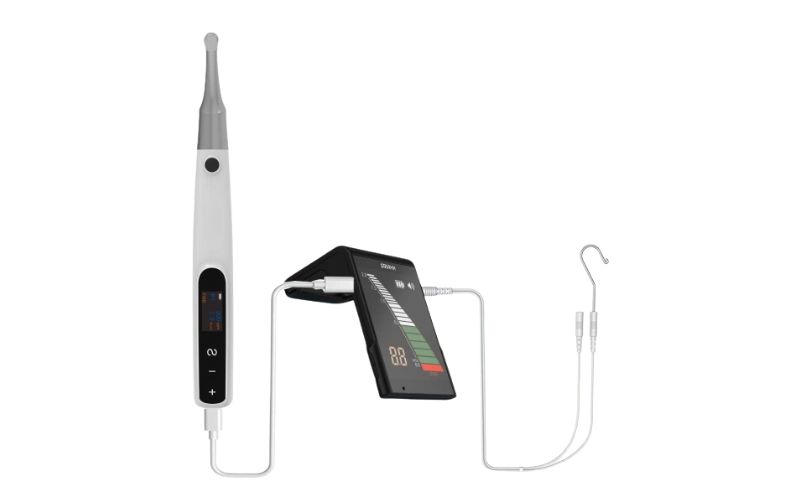
The motor is responsible for "opening and clearing the root canal," while the irrigator is responsible for "thoroughly cleaning the root canal." IV. Core Functions of the endo activator (Essential Clinical Value)
1. Removes debris from hard-to-reach areas and prevents hidden infections
Rotary files only shape the main root canal pathway; they cannot reach bacteria and debris in lateral canals, bifurcations, or curved sections. The endo activator penetrates these hidden structures to thoroughly remove residual contaminants, addressing the root cause of recurrent post-operative inflammation.
2. Effectively removes the smear layer to enhance sealing
After root canal preparation, a "smear layer" consisting of mixed debris and bacteria forms on the canal walls, hindering medication penetration and affecting the fit of gutta-percha points. The irrigator gently removes this layer, ensuring a tighter seal during subsequent filling, preventing micro-leakage, and significantly improving long-term treatment success rates.
3. Enhances disinfection and reduces the risk of post-operative swelling and pain
High-frequency vibration activates the irrigating solution, greatly boosting its ability to kill bacteria and dissolve necrotic tissue, thereby rapidly eliminating inflammatory bacterial colonies within the canal. Proper irrigation significantly reduces the likelihood of post-operative soreness, swelling, pain, and discomfort upon biting, leading to a more comfortable treatment experience.
4. Minimally invasive and safe; suitable for complex root canals
The irrigator cleans solely through fluid vibration—without cutting tooth structure or damaging canal walls. It is suitable for complex cases such as curved, calcified, or narrow canals, overcoming the limitations of mechanical instrumentation.
V. Is using the endo activator painful?
Many patients worry that the irrigation process will be painful, but the actual clinical experience is very gentle:
1. During the procedure: Root canal treatments are performed under local anesthesia. Irrigation produces only a mild sensation of vibration rather than sharp pain; patients with completely necrotic pulp feel almost nothing throughout the process.
2. Non-traumatic: The device involves no mechanical cutting action and does not irritate the root canal or periapical tissues.
3. Mild discomfort is rare: Patients with severe acute periapical congestion may experience brief, mild soreness or a sensation of fullness. This is a normal post-operative reaction—not caused by the device itself—and resolves quickly. Overall, root canal irrigation is not painful; on the contrary, it thoroughly cleanses inflamed tissue, thereby reducing postoperative pain and the number of follow-up visits.
VI. Traditional Irrigation vs. Ultrasonic Root Canal Irrigation: A Clear Difference
Traditional Syringe Irrigation: Features static fluid flow and weak penetrative power; cleans only the surface of the main root canal; leaves significant debris in "dead zones"; results in incomplete disinfection and high recurrence rates; relies heavily on the practitioner's manual technique.
Ultrasonic Root Canal Irrigation: Utilizes dynamic fluid cleaning and comprehensive penetration to eliminate bacteria in all areas (including dead zones); employs standardized procedures independent of the practitioner's technique; significantly enhances cleaning efficiency and treatment precision; represents the mainstream clinical standard for root canal cleaning today.
VII. Clinical Applications for Endo Activator
Root canal therapy for various types of pulpitis and acute/chronic periapical periodontitis
Cleaning and disinfection of curved, calcified, or narrow and complex root canals
Root canal retreatment and revision of existing root canal fillings
High-end treatment cases requiring minimized postoperative reactions and higher success rates. Upgrading dental clinics to standardized, precision-oriented root canal treatment capabilities
VIII. Summary: Why Clinics Must Equip Themselves with Endo Activator?
As dental care moves toward greater precision and standardization, relying solely on endo motor for canal shaping no longer meets the demand for high-quality treatment. The endo activator is a key piece of equipment for increasing treatment success rates, reducing post-treatment disputes, improving the patient experience, and boosting the clinic's reputation.
With its advantages of minimally invasive action, high efficiency, and comprehensive cleaning, it resolves industry pain points, such as incomplete cleaning, recurrent inflammation, and postoperative discomfort, making it an essential, standard piece of equipment for modern dental clinic endodontic departments.
Key Terms: endo activator , ultrasonic endo activator , root canal irrigation equipment, root canal cleaning device, dental root canal irrigation instrument, endo motor