
With the popularization of comfortable dental diagnosis and treatment, dental electric anesthesia injectors (oral painless anesthesia injectors) have become standard equipment in modern dental clinics. Compared to traditional manual syringes, electric anesthesia injectors rely on technologies such as uniform pressure control, low-speed drug delivery, and automatic retraction, significantly reducing injection pain and addressing patients' core concerns about fear of pain and fear of injections during dental visits. However, many patients and dental practitioners still have common questions: Are there any side effects of dental electric anesthesia injectors? Will they damage oral tissues? Is it less safe than manual anesthesia?
In fact, most people confuse "anesthetic drug reactions" with "equipment side effects". Dental electric anesthesia syringes are purely physical drug delivery devices that are only responsible for uniformly and stably delivering anesthetic solutions. They do not alter the composition of the anesthetic, do not produce additional irritation, and inherently do not have specific side effects. The temporary numbness, mild swelling, and occasional dizziness that occur in clinical practice are all normal pharmacological reactions or operational details of anesthetic drugs, and are not injuries caused by the equipment. This article will demystify the true safety, potential discomfort misconceptions, formal operation contraindications, and applicable populations of dental electric anesthesia syringes, helping everyone thoroughly distinguish between rumors and facts, and objectively understand the clinical advantages and precautions of painless anesthesia delivery equipment.
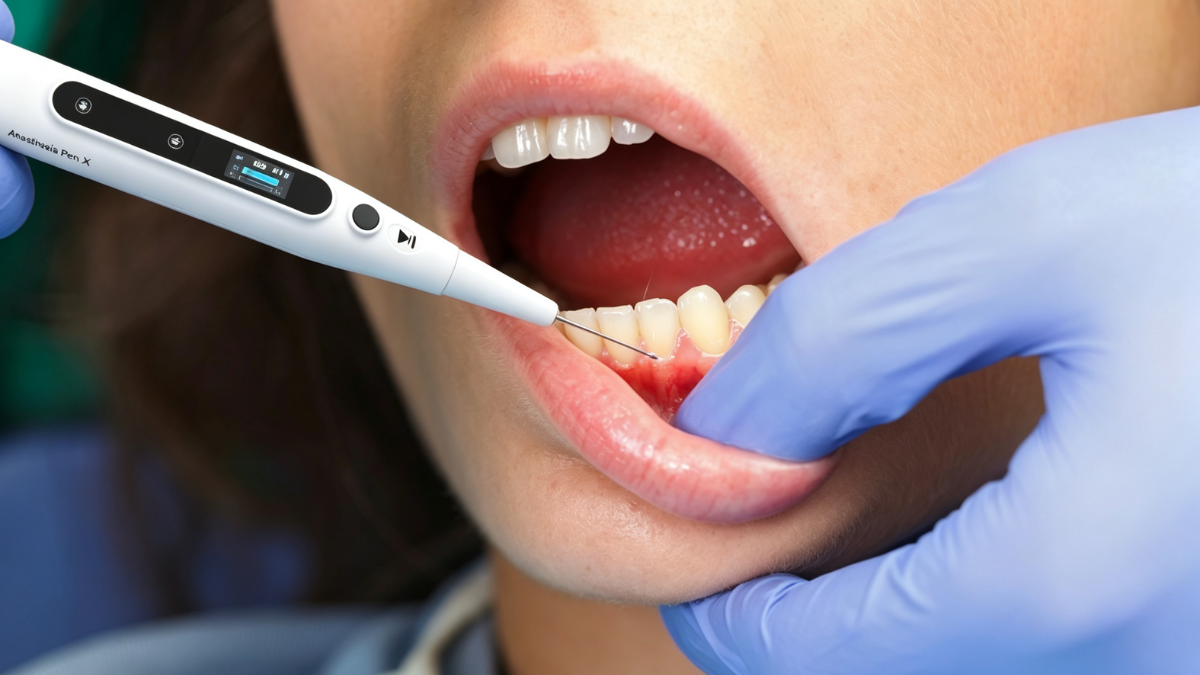
The dental electric anesthesia device itself has no direct side effects. All discomforts arise from anesthetic drugs, operational techniques, and the patient's own condition. The device only reduces risks and does not introduce new side effects. Firstly, the device itself does not produce side effects. The electric anesthesia device is merely a tool for delivering anesthetic at a constant speed, without altering the composition of the anesthetic, and thus does not produce toxins or irritants. Compared to manual syringes, it can also reduce the probability of adverse events such as hematoma, severe pain, and anesthetic entering the bloodstream.
II. Possible transient discomfort in clinical practice (distinguish whether it is due to anesthetic issues, not side effects of the equipment) 1. Transient soreness, numbness (most common) Causes: Normal pharmacological reaction of anesthetic drugs (articaine, lidocaine), unrelated to the anesthesia infusion device; Manifestations: numbness of lips, gums, and tongue for 1-2 hours, with a feeling of swelling in biting; Distinction: Manual injection with high-pressure drug infusion results in more pronounced swelling and soreness; low-speed drug infusion with the anesthesia infusion device results in milder swelling and faster resolution.
2. Extremely minor bruising/hematoma cause: Needle puncture of small blood vessels, which can occur with any injection tool; Instrument advantage: The automatic retraction function built into the anesthesia infusion pump detects whether the needle has pierced the blood vessel before injection, greatly reducing the risk of large hematomas; Manual syringes can only be manually retracted, which can easily lead to missed detection.
3. Transient dizziness and palpitations (anesthetic blood reaction): A small amount of anesthetic directly injected into the blood vessels can cause rapid heart rate, dizziness, and nausea. The push-pull anesthesia machine's suction warning can be avoided in advance, significantly reducing the occurrence of such situations, which is not a side effect of the equipment.

III. What situations can exacerbate discomfort (related to operational settings)? When adjusting the gear to high speed for injection in sensitive areas such as anterior teeth and periodontal ligaments, the use of high speed gear can cause transient pain due to rapid infiltration of the medication; reducing the gear to low speed can completely alleviate the discomfort.
Direct injection during the acute phase of inflammation: When the gums are red, swollen, and suppurating, tissue pressure is high, and any injection will cause soreness and swelling. Administering anesthesia after reducing inflammation can improve the situation.
Overdose of injection: An excessive single dose of anesthetic may cause prolonged numbness of the lips and mild dizziness, but the doctor can control the dosage.
IV. Non-existent instrument-specific side effects (rumor refutation) 1. It will not cause nerve damage: Administering medication at a uniform low pressure will not violently stretch and damage tissues, making it safer than manual high-pressure injection; 2. It will not exacerbate allergies: Allergies are only caused by anesthetic ingredients and have nothing to do with the delivery device; 3. It will not prolong numbness: The duration of numbness is determined by the type of anesthetic, and the anesthesia delivery device only changes the speed of medication administration, not the duration of efficacy.
V. Precautions for Special Populations (not related to equipment) 1. Individuals allergic to anesthetics: It is prohibited to use anesthetic drugs containing corresponding ingredients, regardless of the anesthesia infusion device; 2. Patients with hypertension and heart disease: Strictly control the dosage of adrenaline in anesthetics and reduce the injection dose according to medical advice; 3. Pregnant women and children: Select low-speed settings for microdosing to reduce irritation.
VI. Summary 1. The electric anesthesia infusion device has no specific side effects, and all discomforts are normal reactions to anesthetic drugs or caused by improper operation; 2. Compared to manual syringes, the anesthesia infusion device can reduce adverse symptoms such as abdominal pain, hematoma, and anesthetic entering the bloodstream, providing higher safety; 3. By regulating the flow rate, controlling the injection dose, and performing aspiration before injection, significant discomfort is rarely experienced.
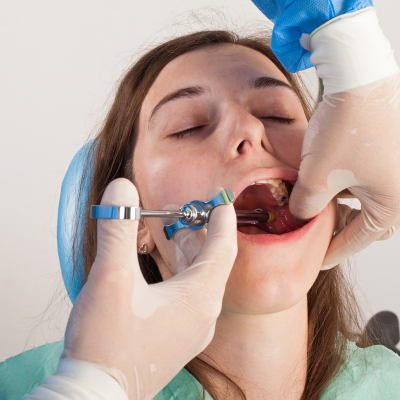
You have have another quanestions, what is the difference between an electric anesthesia device and a traditional manual anesthesia device?
Dental electric anesthesia device (electric anesthesia device) vs. manual syringe: Core advantages 1. Patient end: Extremely low pain throughout the process, addressing dental phobia (the biggest selling point). Even-speed low-pressure drug administration, with almost no pain or tingling. Manual operation relies on finger squeezing, with inconsistent pressure, causing instant high pressure to expand gingival soft tissue, resulting in obvious soreness and tingling. Electric equipment has multiple settings for low-speed penetration, allowing the liquid medicine to slowly penetrate the mucosa without expanding the tissue and breaking through the pain threshold. The clinical pain score is only one-third of that of manual operation.
Before inserting the needle, a low-speed micro-dosing technique is used for surface pre-anesthesia to anesthetize the surface layer of the lips and gums. The needle is inserted through the already anesthetized channel, so the patient barely feels the insertion. This significantly improves the cooperation of children and people who are afraid of needles.
With precise anesthesia, postoperative numbness subsides faster, and micro-dosing can be administered at specific points, only anesthetizing the treatment area without causing widespread numbness of the lips and cheeks. Manual injection of the drug solution results in a wider diffusion range, leading to longer postoperative numbness, which can make patients prone to biting their lips.
The probability of postoperative swelling and bruising is significantly reduced due to the built-in automatic retraction detection function. Before injection, it automatically checks for blood vessels, avoiding anesthetic infiltration into the bloodstream and hematoma. Manual retraction, which can only be done manually, is prone to missed detection, leading to more complaints about postoperative bruising and swelling pain.
II. Doctor's side: labor-saving, simple operation, and improved reception efficiency. It frees up hands and prevents fatigue from long-term operation. Manual injection requires continuous finger exertion, and when receiving dozens of patients a day, it is prone to finger soreness and tenosynovitis. Electric automatic drug dispensing, one-button start and stop, requires no manual effort throughout the process.
Standardized operation allows novices to quickly master three fixed flow rates (low speed for children, medium speed for regular use, and high speed for blockage), eliminating the need to rely on years of experience to control the force; even novice doctors can perform painless injections, reducing operational errors.
Saving overall anesthesia time: Manual injection can easily cause patients to dodge and cry, requiring repeated reassurance and additional anesthesia; electric injection allows patients to relax throughout the entire process, without any midway pauses, resulting in a shorter overall anesthesia time per patient and a higher daily patient volume.
Multiple safety alerts reduce medical disputes. Equipped with built-in overpressure alarms, liquid residue reminders, and anti-reflux structures, it automatically shuts down in case of abnormal pressure, thus avoiding medical risks such as excessive anesthesia and tissue damage, and reducing complaints.
III. Clinic Operation: Build differentiated competitiveness, enhance store reputation, and optimize the core diagnostic and treatment equipment. The "painless injection" is an intuitive promotional highlight, which distinguishes itself from traditional injections in ordinary clinics. It attracts patients who are afraid of pain, children, and anxious patients, and enhances referrals and repeat purchases.
Reducing after-sales follow-up costs by ensuring even cleaning and sufficient anesthesia penetration can decrease the recurrence rate of postoperative inflammation and swelling, reduce the need for patients to return for secondary treatment, and save medical staff time and effort.
Durable and stable, with high cost-effectiveness for long-term use. The high-quality electric acupuncture device can be used stably for 5-6 years, with only a small amount of low-cost consumables requiring regular replacement. Although manual injectors have no electronic wear and tear, they lack comfort features and cannot create a unique store identity.
IV. Advantages in detailed functions (completely lacking in manual models): Multi-level flow rate adaptation for all scenarios: PDL periodontal ligament injection, pediatric dentistry, dental extraction block, and full coverage of routine dental fillings; visual screen for real-time monitoring of remaining liquid and current level; wireless charging pen-style design, lightweight and portable, with flexible operation; patient-contacting parts can be sterilized under high temperature and high pressure, ensuring hygiene and safety.
Brief summary of core advantages for patients: painless injection, small numbness area, less postoperative discomfort. For doctors: labor-saving operation, easy to learn, comprehensive safety protection. For clinics: differentiated customer attraction, reduced disputes, improved reputation and revenue