

Whether the blue light emitted by dental curing light machines will cause harm to patients requires a
comprehensive analysis of the characteristics of blue light, exposure time, protective measures, and
other aspects. The following are conclusions based on research data and clinical investigations:
1. Potential risks of blue light
The wavelength of blue light used by dental curing light machines is mainly in the visible spectrum
(400-500 nm), but some devices may be accompanied by a small amount of ultraviolet light (UVA,
340-400 nm). The potential hazards of blue light are mainly reflected in the following aspects:
- Eye damage:
High-intensity blue light may cause photochemical damage to the retina, especially direct exposure
in a short period of time or long-term cumulative exposure. Animal studies have shown that blue light
can induce oxidative damage to the retina, and the risk is higher for patients after cataract surgery.
- Skin exposure:
A small amount of ultraviolet light may contact the skin, but studies have shown that the amount of
UVA radiation is extremely low under normal use, and medical latex gloves can effectively block
ultraviolet rays, and the risk of skin diseases is extremely small.
2. Actual patient exposure
Risks in treatment scenarios:
The blue light of the light curing machine is mainly used to cure resin materials. During treatment, patients
usually close their eyes or wear goggles. However, clinical surveys show that only 9.7% of patients actually
wear goggles, 51.6% are only told to close their eyes, and 38.7% still do not have any protective measures.
- Exposure time and distance:
The single light curing treatment time is short (usually a few seconds to tens of seconds), and the light source
is far away from the patient's eyes (about 40 cm), and the cumulative exposure time of reflected light is far
below the safety threshold (such as the maximum allowable daily exposure without protection is about 11 minutes).
However, if the patient does not close his eyes or the child's compliance is poor, the risk may increase.
3. Effectiveness of protective measures
- Goggles and closing eyes:
Wearing special goggles can effectively block blue light, but the popularity rate is low. Although closing eyes
can reduce direct exposure, there is still a risk of reflected light entering the eyes (such as reflection through the
tooth surface).
- Responsibilities of medical institutions:
Some hospitals lack goggles, especially protective equipment for children. It is recommended to strengthen
goggles and patient education, and install filters to reduce scattered light.
4. Comprehensive conclusion
- Low risk of short-term treatment:
Under standard operation (patients close their eyes or wear goggles) and short single treatment time, the risk of
direct harm to patients by blue light is low.
- Special populations need to be cautious:
Patients with retinopathy, patients after cataract surgery, children and other groups need to strengthen protection,
and eye history should be asked before surgery and targeted measures should be taken.
- Long-term cumulative exposure needs to be studied:
There is currently a lack of data on long-term cumulative exposure to humans, and further research is needed to
improve safety standards.
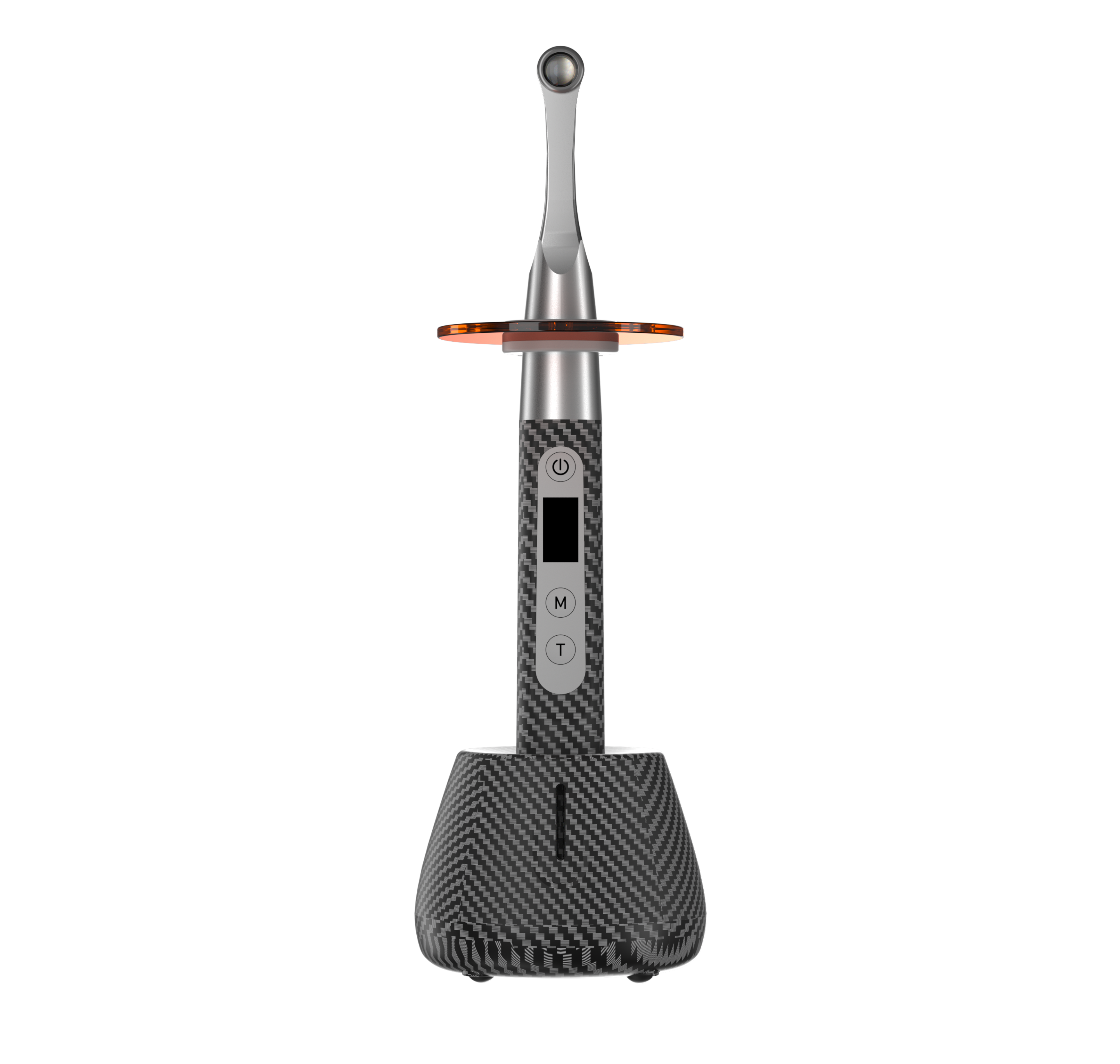
Recommendations
1. Patient cooperation: Strictly close your eyes or wear goggles during treatment to avoid curiously looking
directly at the light source.
2. Improvements in medical institutions: Equip goggles (especially for children), strengthen medical staff
training, and improve preoperative eye history screening.
3. Technical optimization: Use low-radiation equipment or equip filters to reduce the impact of scattered light.
In summary, the risk of blue light from dental light curing machines to patients is controllable under standardized
operation, but the implementation of protective measures and the management of special populations are key.