
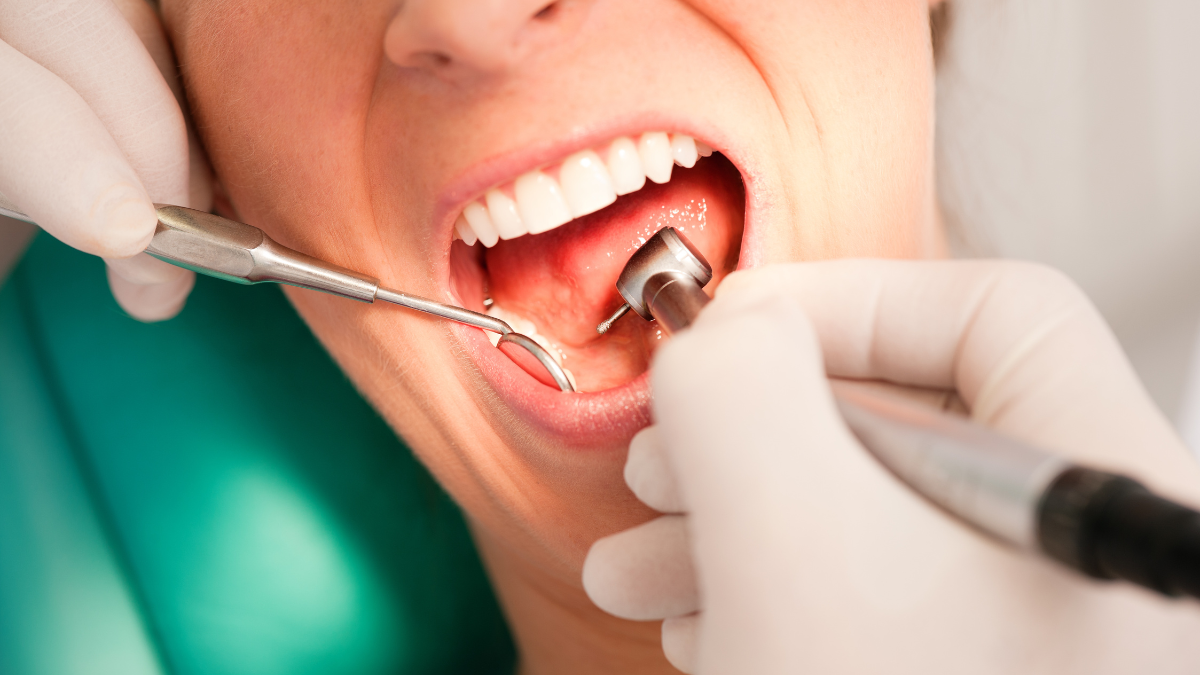
What Is Teeth Cleaning (Dental Prophylaxis)?
Teeth cleaning, commonly performed with an ultrasonic scaler, uses high-frequency vibration to remove tartar (calculus), plaque, and stains from the tooth surface, between teeth, and along the gumline. It is a basic and essential dental procedure.
Is Teeth Cleaning Good or Bad?
Conclusion: Professional teeth cleaning is highly beneficial and necessary for oral health.
Benefits of Teeth Cleaning
Removes tartar and stubborn plaque that cannot be cleaned by brushing alone.
Prevents and relieves gingivitis, bleeding gums, bad breath, and swelling.
Slows down gum recession, bone loss, and tooth loosening.
Helps detect early tooth decay, wisdom teeth issues, and periodontal disease.
Protects dental implants, braces, and post-treatment oral health.
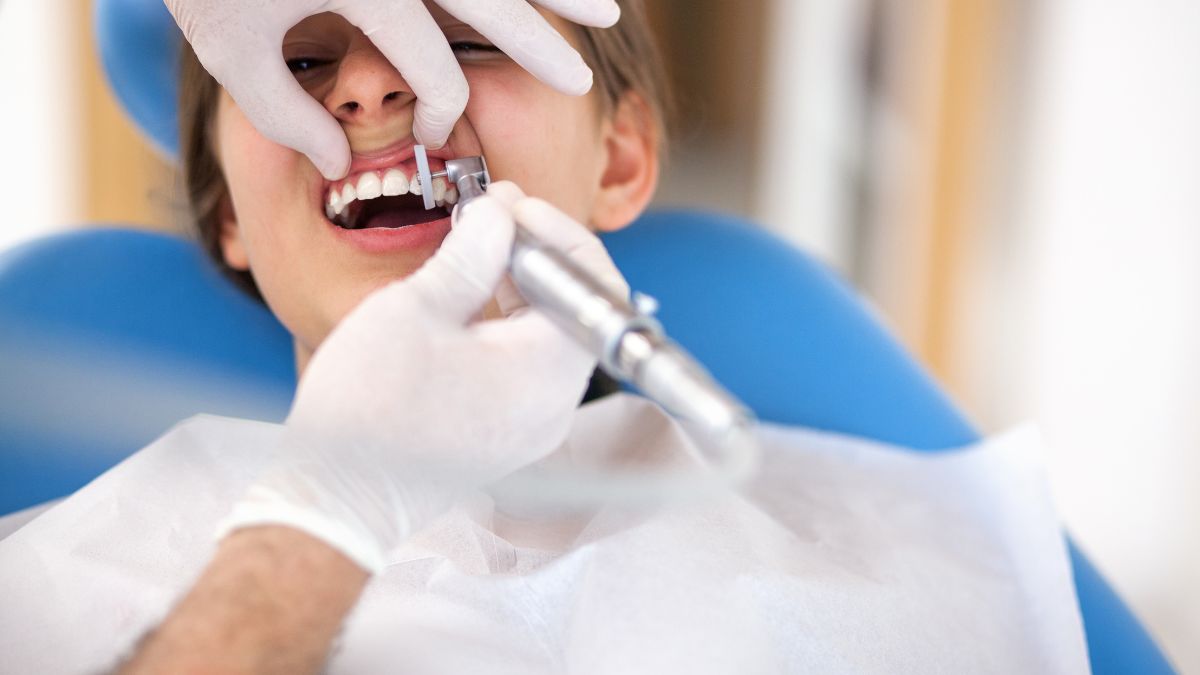
Risks of NOT Getting Teeth Cleaned
Buildup of tartar → gingivitis → periodontitis → receding gums, enlarged gaps, loose teeth, and eventually tooth loss.
Does Teeth Cleaning Make Gaps Between Teeth Bigger?
No. Teeth cleaning itself does NOT widen the gaps between teeth.
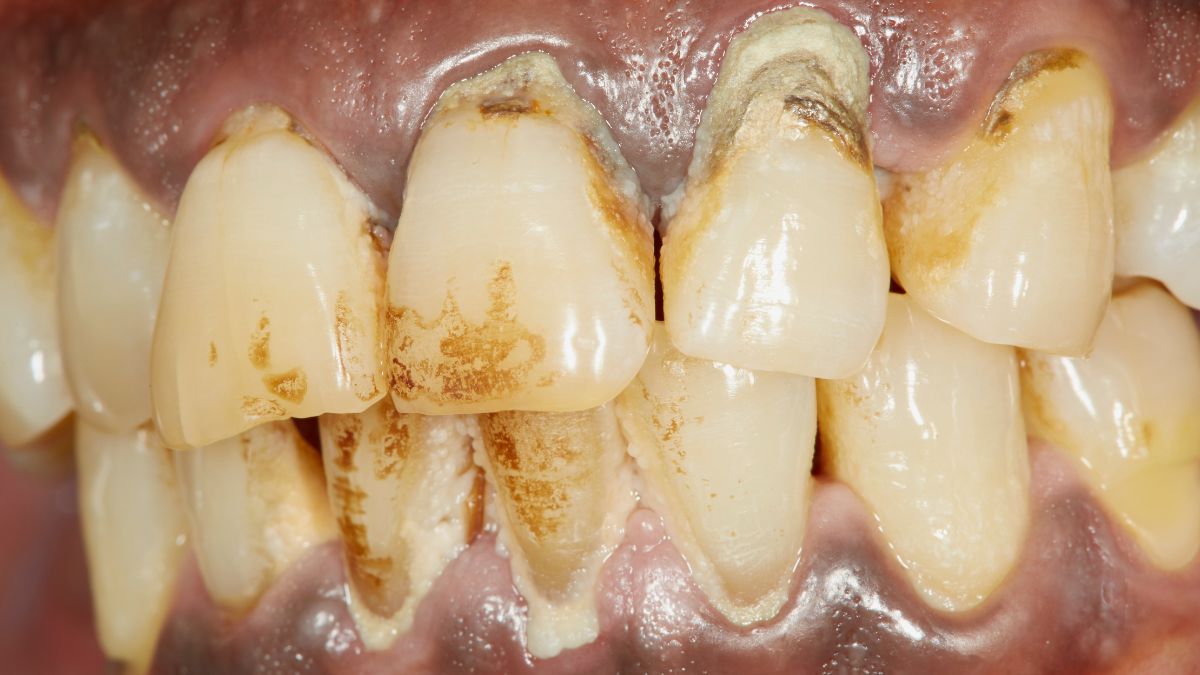
Why do people feel gaps are larger after cleaning?
The real reason:Tartar had been blocking and swelling your gums; cleaning only reveals the true condition of your mouth.
The process:
Long-term lack of cleaning → tartar accumulates in gaps and presses on gums.
Gums become inflamed and swollen, covering the natural spaces.
After cleaning, tartar is removed and swollen gums shrink back.
The real, pre-existing gaps become visible.
In short:The gaps were already there. Tartar was just “hiding” them.
Normal Reactions After Teeth Cleaning (Temporary)
These are signs of recovery, not damage:
Noticeable gaps, slight air leakage sensation
Temporary sensitivity to hot, cold, or sweet food
Mild gum soreness or slight bleeding
Short-term changes in breath freshness
Most symptoms improve within 1–2 weeks.

Who Definitely Needs Teeth Cleaning?
Frequent bleeding when brushing
Persistent bad breath or sticky saliva
Red, swollen, or painful gums
Yellowish or black hard deposits near the gumline
People preparing for pregnancy, wearing braces, or with dental implants
Diabetic patients or those with recurring gum inflammation
Recommendations & Tips for First-Time Cleaning
Frequency
Healthy adults: once a year
Those with heavy tartar or gum problems: every 6 months
Aftercare
Clean between teeth daily with dental floss, interdental brushes, or water flossers.
Use desensitizing toothpaste if teeth feel sensitive.
Reduce intake of tea, coffee, and sugary or acidic drinks.
Tips for First Cleanings
Tell the dentist it’s your first time for a gentler procedure.
Rinse your mouth thoroughly before cleaning.
Stay relaxed and follow the dentist’s instructions during the process.
Key Summary
Teeth cleaning protects your teeth and is highly recommended.
Professional cleaning does NOT create or widen gaps.
Earlier and more regular cleaning helps keep gaps less noticeable and teeth more stable.