
Tooth extraction is one of the most common basic surgeries in dentistry. Whether it's the removal of wisdom teeth, the cleaning of residual roots and crowns, or the extraction reserved for orthodontics, this seemingly simple procedure is directly related to oral wound healing, postoperative comfort, and overall oral health. Many people mistakenly believe that tooth extraction is just "simply pulling out the tooth and that's it," ignoring the importance of preoperative preparation, intraoperative operational details, and postoperative care.
For patients, scientific nursing before and after tooth extraction can effectively avoid common problems such as bleeding, swelling and pain, dry socket, and infection, and shorten the wound healing period. For dentists, standardized and refined tooth extraction procedures are the core key to improving the safety of diagnosis and treatment, reducing complications, and minimizing doctor-patient disputes. This article will comprehensively summarize standardized diagnosis and treatment as well as nursing knowledge for tooth extraction from two dimensions: patient precautions throughout the tooth extraction process and clinical tooth extraction operation suggestions for dentists. It aims to provide professional references for clinical work in dental institutions and oral health for the general public.
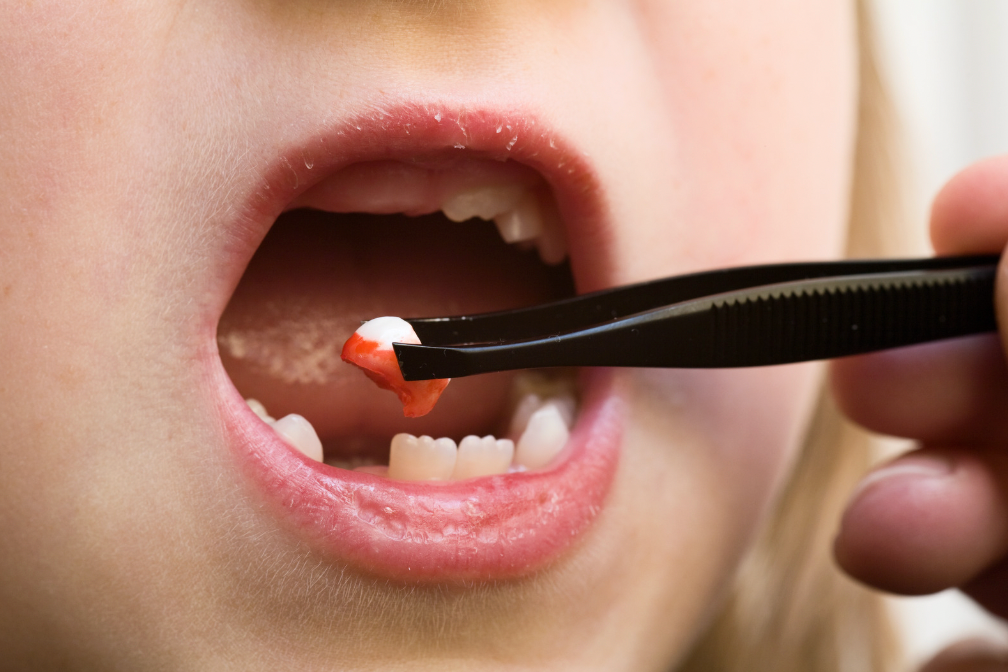
Precautions for the entire process of tooth extraction for patients (preoperative + postoperative)Preoperative Considerations for Tooth Extraction Preparation of physical condition before tooth extraction is the foundation for the smooth progression of the surgery and the premise for avoiding surgical risks. Firstly, patients should never undergo tooth extraction on an empty stomach, as nervousness and pain stimulation can easily lead to hypoglycemia, resulting in dizziness, palpitations, fatigue, and other discomforts. It is recommended to have a light meal beforehand before visiting the dentist.

Secondly, special populations need to take precautions and provide advance notifications: women should try to avoid their menstrual period, as blood clotting is weaker during this time, which can exacerbate postoperative bleeding and edema issues; it is not recommended to extract teeth during pregnancy unless it is an emergency, to avoid irritation and discomfort. Patients with underlying conditions such as hypertension, diabetes, heart disease, and abnormal blood clotting must inform their doctors in advance, and the decision to extract teeth should be reassessed after their physical indicators are controlled within a stable range.
In addition, patients who have been taking anticoagulant drugs for a long time are strictly prohibited from discontinuing the medication on their own. They need to have their surgical risks evaluated by a professional doctor and a personalized plan formulated. If the mouth is in the stage of acute inflammation, swelling, pain, fever, or cold, it is recommended to first treat the inflammation, postpone tooth extraction, and avoid the spread of inflammation to worsen the condition. At the same time, ensure adequate sleep before surgery, avoid staying up late, and maintain a good physical state, which is more conducive to wound recovery after surgery.

2. Core nursing contraindications and postoperative care instructions after tooth extraction. Postoperative care is crucial for determining the speed of wound healing and avoiding complications. It is also the most common area where patients are prone to making mistakes, and the following guidelines must be strictly adhered to: (1) Hemostasis guidelines: After tooth extraction, it is necessary to bite on the hemostatic cotton roll for 30-40 minutes. During this period, do not spit frequently, suck on the wound, or open your mouth to check. Try to swallow saliva naturally to avoid the shedding of blood clots, which could lead to secondary bleeding.
(2) Diet and Drinking Water Guidelines: Food and water intake can only be resumed 2 hours after tooth extraction. It is recommended to prioritize warm, cool, soft, and tender liquid or semi-liquid foods, such as Congee, noodles, steamed eggs, etc. Chewing should be done exclusively on the non-extraction side throughout the entire process. It is strictly prohibited to consume overly hot, hard, spicy, or fried foods. High temperatures and hard objects can irritate the wound surface, damage the blood clot, and lead to bleeding and swelling.
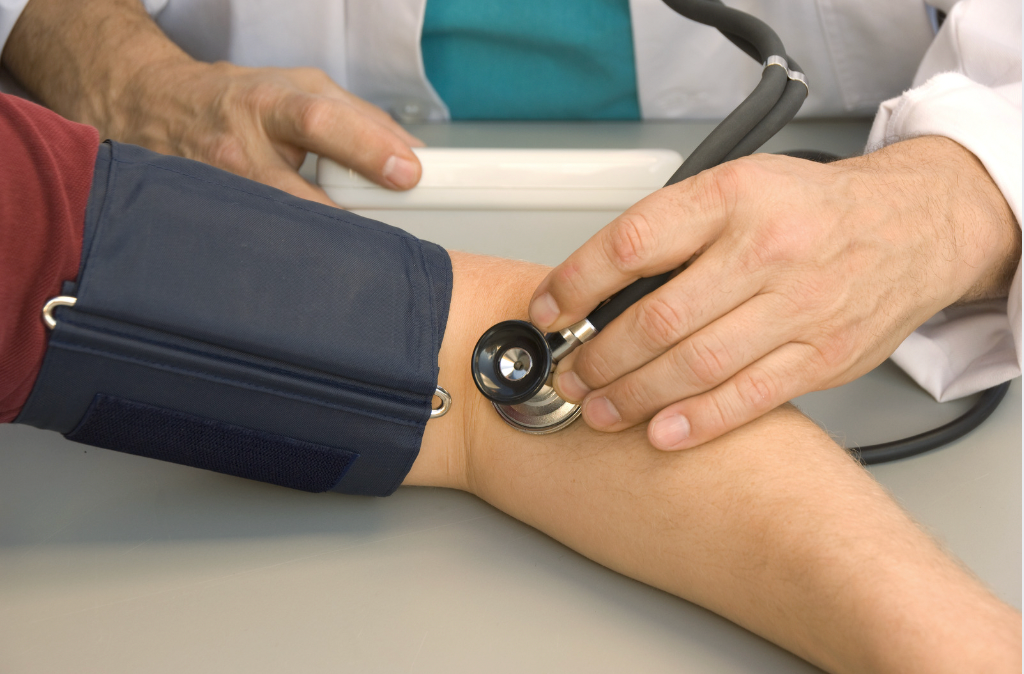
2. Core nursing contraindications and postoperative care instructions after tooth extraction. Postoperative care is crucial for determining the speed of wound healing and avoiding complications. It is also the most common area where patients are prone to making mistakes, and the following guidelines must be strictly adhered to: (1) Hemostasis guidelines: After tooth extraction, it is necessary to bite on the hemostatic cotton roll for 30-40 minutes. During this period, do not spit frequently, suck on the wound, or open your mouth to check. Try to swallow saliva naturally to avoid the shedding of blood clots, which could lead to secondary bleeding.
 (2) Diet and Drinking Water Guidelines: Food and water intake can only be resumed 2 hours after tooth extraction. It is recommended to prioritize warm, cool, soft, and tender liquid or semi-liquid foods, such as Congee, noodles, steamed eggs, etc. Chewing should be done exclusively on the non-extraction side throughout the entire process. It is strictly prohibited to consume overly hot, hard, spicy, or fried foods. High temperatures and hard objects can irritate the wound surface, damage the blood clot, and lead to bleeding and swelling.
(3) 24-hour strict taboo: Within 24 hours after tooth extraction, it is strictly prohibited to brush your teeth, rinse your mouth, smoke, or drink alcohol. It is also forbidden to lick or touch the wound with your tongue. Among these, smoking significantly increases the risk of developing dry socket, leading to severe pain and delayed healing of the wound. It is the primary taboo after surgery.
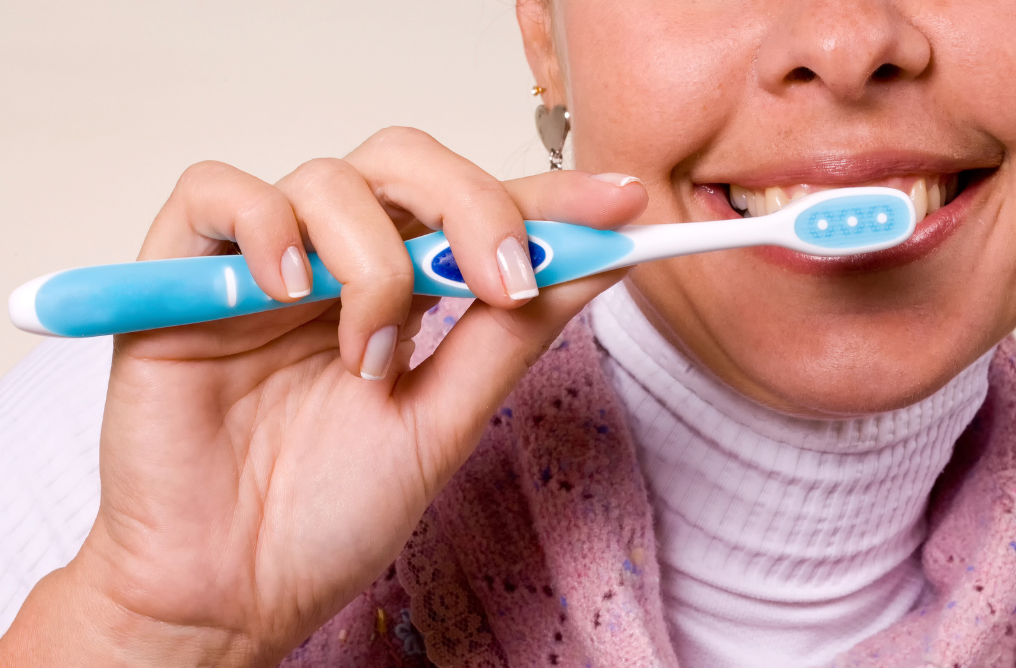
(4) Care for swelling and pain: The 48 hours after surgery is the peak period of swelling. Cold compress can be used to alleviate the swelling and pain, with each application lasting for 15-20 minutes. After 48 hours, hot compress can be used to promote the dissipation of facial congestion. Mild pain and swelling are normal postoperative reactions. Anti-inflammatory and analgesic drugs can be taken according to the doctor's advice.
(5) Indications for emergency follow-up visits: If there is persistent heavy bleeding after tooth extraction, sudden severe radiating pain 2-3 days post-surgery, accompanied by bad breath, wound discharge, worsening facial swelling, fever, difficulty opening the mouth, etc., it is necessary to immediately return to the dental institution for follow-up treatment to avoid the risk of severe infection and dry socket.
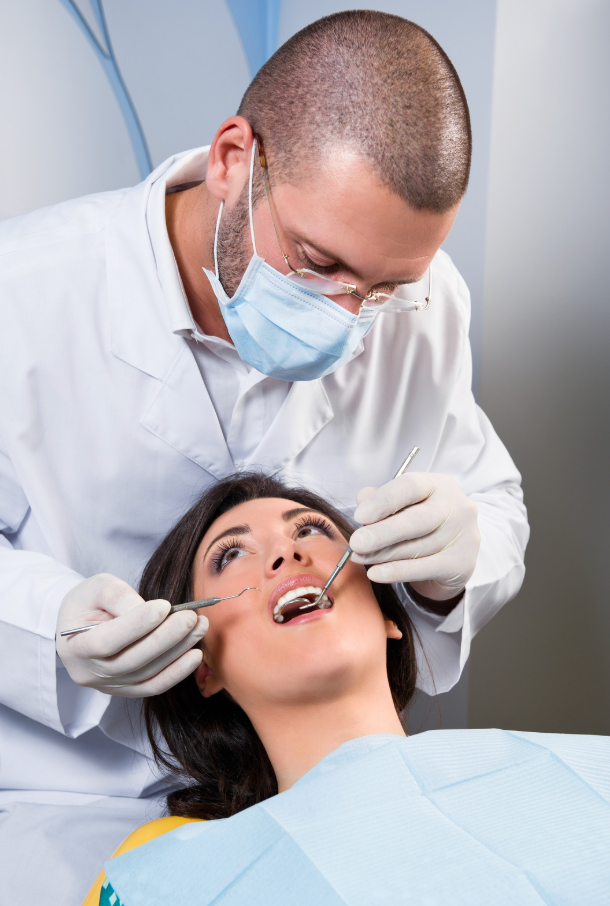
(6) Stitch removal and repair: After a regular tooth extraction, patients can return for stitch removal 7-10 days later. Absorbable sutures do not require removal. About 3 months after tooth extraction, the alveolar bone will have completed basic remodeling and healing. It is recommended to promptly undergo dental implant or denture placement for missing teeth repair to avoid problems such as adjacent teeth tilting, opposing jaw teeth elongating, and occlusal disorders.
I. Clinical Operational Guidelines and Professional Advice for Dental Surgeons in Tooth Extraction The safety, comfort, and postoperative recovery outcomes of tooth extraction surgeries primarily hinge on the surgeon's preoperative assessment, meticulous intraoperative procedures, and professional postoperative guidance. Standardized clinical protocols not only ensure patient safety during diagnosis and treatment but also effectively reduce postoperative complications and medical disputes, constituting the core of standardized diagnosis and treatment in dental institutions.Preoperative detailed assessment and preparation: Comprehensive preoperative inquiry and examination serve as the first line of defense to avoid surgical risks. Doctors need to inquire in detail about the patient's systemic medical history, medication history, and allergy history, with a focus on screening for hypertension, diabetes, coagulopathy, cardiovascular and cerebrovascular diseases, as well as the use of anticoagulant drugs. Blind surgery and arbitrarily instructing patients to discontinue medication are strictly prohibited. For female patients, it is necessary to strictly distinguish between diagnostic and treatment contraindications during menstruation and pregnancy, and plan the diagnosis and treatment time accordingly.
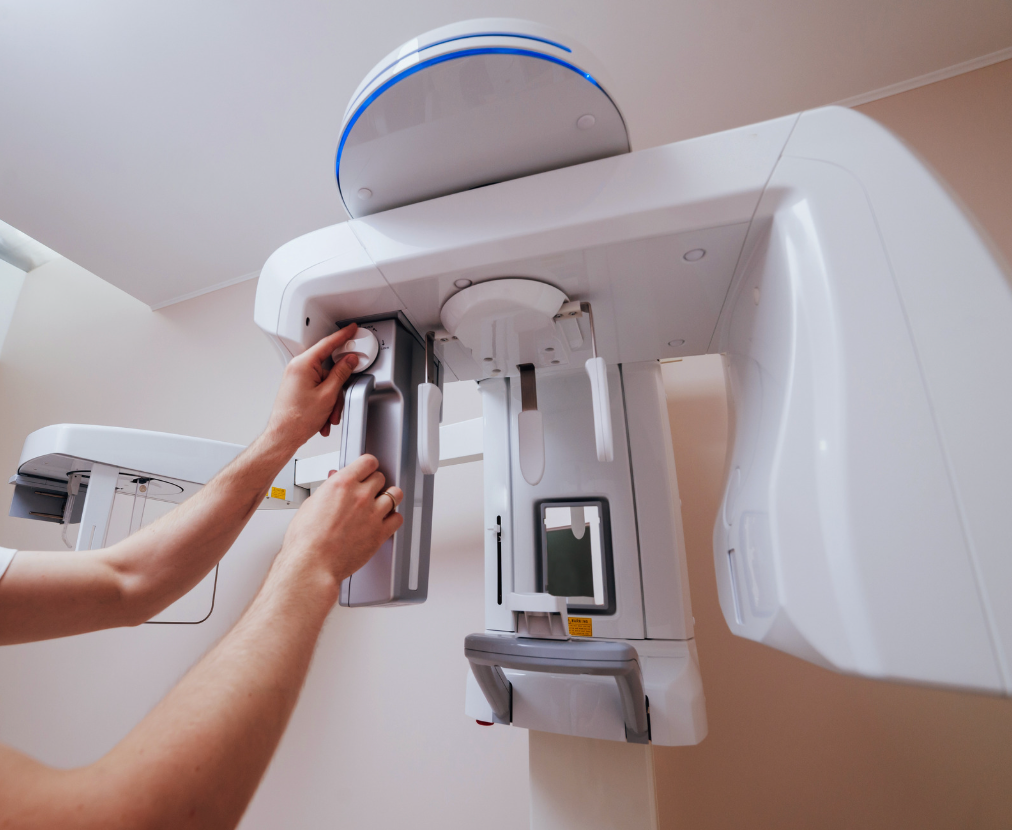 At the same time, it is necessary to conduct a local oral examination, combined with oral CT and panoramic radiography, to accurately assess the morphology, curvature, and depth of the buried root of the tooth. Emphasis should be placed on evaluating key anatomical structures such as the maxillary sinus and inferior alveolar nerve, and to anticipate surgical risks in advance. During the acute inflammation phase, priority should be given to controlling inflammation, and emergency tooth extraction surgery should not be performed. In addition, it is necessary to provide psychological reassurance to the patient, explain the surgical process, normal postoperative reactions, and potential risks, complete informed consent, and alleviate the patient's tension and anxiety.
2. Key points of standardized minimally invasive intraoperative procedures: Clinical tooth extraction should adhere to the core principles of minimally invasive, gentle, and precise techniques, abandoning traditional violent prying and hammering operations to minimize damage to soft and hard tissues. During surgery, it is necessary to fully separate the gingival tissue and precisely expose the surgical area. For impacted and embedded teeth, priority should be given to extraction methods such as root separation and bone removal to reduce trauma to the alveolar bone and thereby reduce the risk of postoperative swelling, pain, bleeding, and infection.

After the tooth extraction, the alveolar fossa needs to be thoroughly cleaned, and residual granulation tissue, fragmented bone pieces, and remnant root debris should be scraped and removed to avoid postoperative inflammation and pain caused by residual tissue. For wounds with excessive bleeding, appropriate hemostatic materials such as gelatin sponges should be used, and suturing should be standardized according to the size of the wound, with moderate tightness to avoid over-tight compression of soft tissue or over-loose suturing leading to bleeding. Meanwhile, adjacent teeth, gums, nerves, and maxillary sinus mucosa should be protected throughout the entire process to prevent secondary damage during the operation.
3. Postoperative detailed medical advice and follow-up services: After surgery, oral and written medical advice should be provided to patients, clearly explaining all precautions related to hemostasis, diet, cleanliness, rest, medication, etc. Emphasis should be placed on core taboos such as smoking cessation and prohibition of sucking on the wound, so that patients can clearly grasp the key points of care. Based on the size of surgical trauma, appropriate anti-inflammatory and analgesic medications should be prescribed, with clear instructions on dosage, frequency, and allergies and contraindications.
For complex dental extraction procedures such as removal of wisdom teeth and impacted teeth, it is recommended to conduct telephone follow-ups 1-3 days post-surgery to promptly monitor patients' bleeding, swelling, and healing conditions. This allows for immediate responses to patients' inquiries and management of minor discomforts. Additionally, patients should be clearly informed about the time for suture removal and the optimal period for missing tooth restoration, guiding them through subsequent dental restorations and enhancing the overall diagnostic and treatment service.

4. Prevention and Emergency Management of Common Complications: In clinical diagnosis and treatment, it is necessary to prepare in advance for the prevention and control of complications. By adopting minimally invasive procedures, standardizing hemostasis, and strictly implementing postoperative education, we can prevent dry socket, postoperative bleeding, severe swelling, and infection. For impacted lower wisdom teeth, precise control of operational force is crucial to avoid damage to the inferior alveolar nerve. When extracting upper posterior teeth, be vigilant for maxillary sinus perforation. Small perforations should be observed conservatively, while large perforations should be promptly sutured and repaired. Patients should be instructed to refrain from blowing their noses or exerting force to inflate their lungs in the short term.
If patients experience active bleeding, severe pain, infection, or suppuration after surgery, prompt debridement, hemostasis, and anti-infection treatment are necessary to quickly control the condition and ensure the patient's oral health.
III. Conclusion: Although tooth extraction is a routine basic surgery in dentistry, the details of diagnosis and treatment directly determine the treatment outcome and patient experience. For patients, strictly adhering to preoperative preparation and postoperative care standards is the key to avoiding discomfort and achieving rapid healing; for dentists, adhering to standardized procedures of precise preoperative assessment, minimally invasive intraoperative procedures, and meticulous postoperative services is the core to enhancing the professionalism and safety of diagnosis and treatment. Only through the mutual cooperation between doctors and patients, as well as standardized diagnosis, treatment, and care, can we minimize the complications of tooth extraction, ensure smooth healing of oral wounds, and maintain good oral health status.