
The Evolution of Dental Implant Instruments: From Traditional to Digital Guides
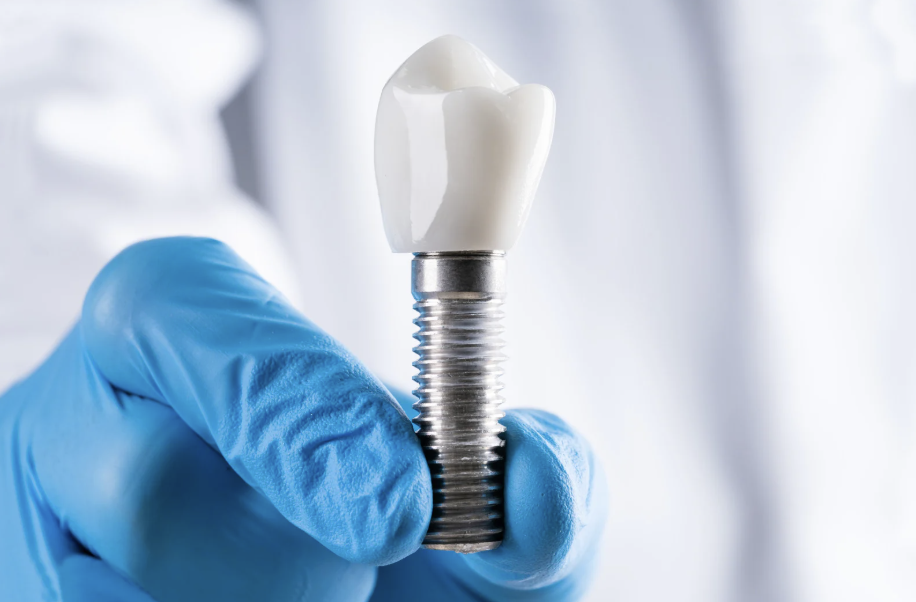
Dental implantology has undergone a remarkable transformation over the past few decades, driven by advancements in technology and a growing demand for precision, efficiency, and patient comfort. At the heart of this evolution lies the shift from traditional implant techniques to the use of digital surgical guides—a game-changer in modern dentistry. This article explores the journey of dental implant instruments, highlighting how digital guides are revolutionizing the field.
1. The Traditional Era: Challenges and Limitations
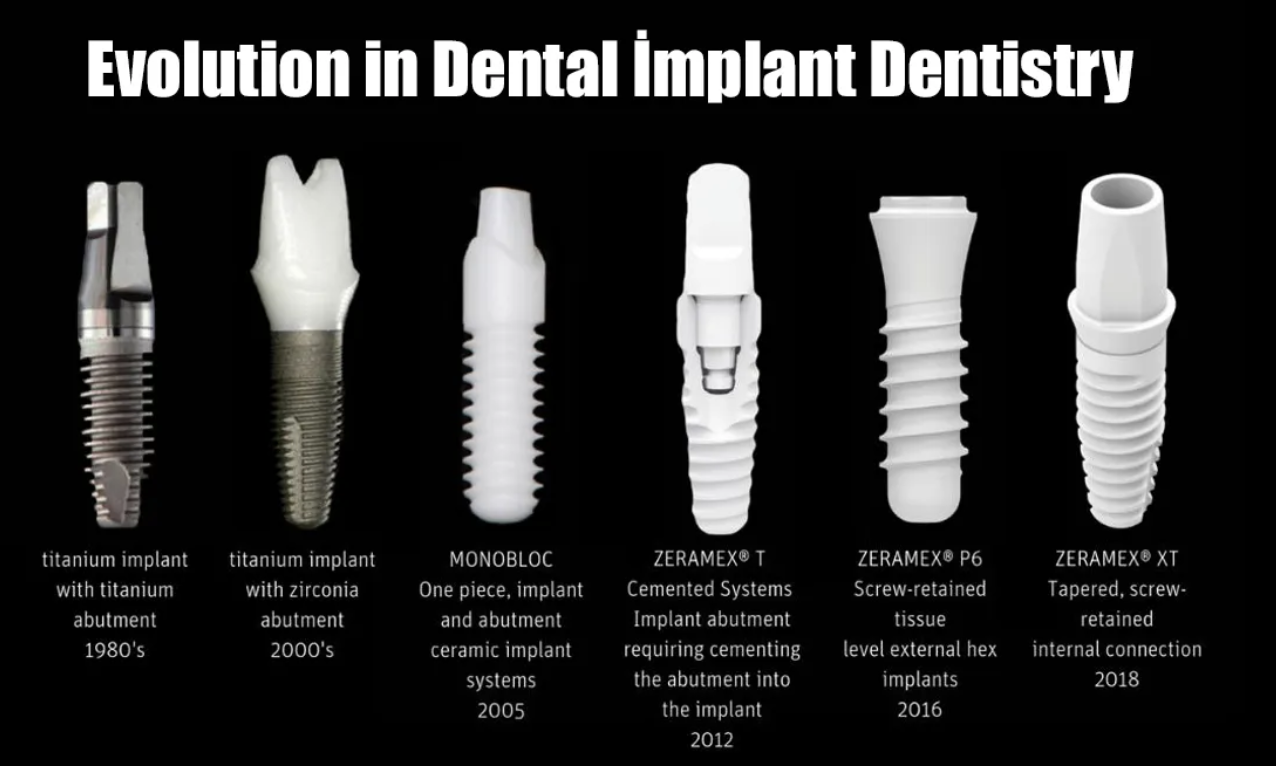
In the early days of dental implantology, surgeons relied on manual techniques and conventional instruments. The process typically involved:
Freehand Drilling: Surgeons used analog tools, such as manual drills and static guides, to place implants.
2D Imaging: X-rays provided limited information, making it difficult to assess bone density, nerve locations, and optimal implant positioning.
High Margin of Error: The lack of precision often led to complications, such as misaligned implants, nerve damage, or insufficient bone support.
While traditional methods laid the foundation for implantology, they were time-consuming, required extensive experience, and often resulted in unpredictable outcomes.
2. The Rise of Digital Technology in Implantology
The introduction of digital technology marked a turning point in dental implant instruments. Key innovations include:
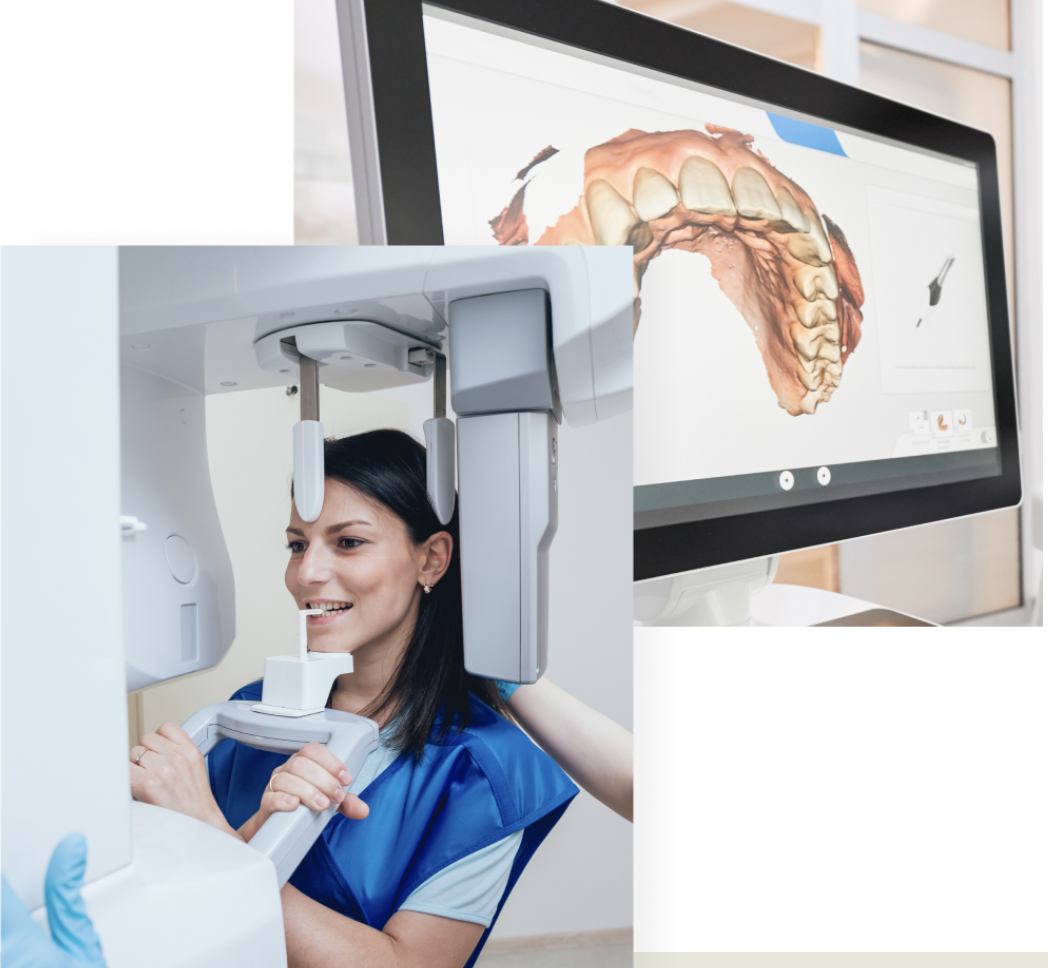
3D Imaging (CBCT Scans): Cone Beam Computed Tomography (CBCT) provides detailed 3D images of the patient’s jawbone, enabling precise planning of implant placement.
CAD/CAM Systems: Computer-Aided Design and Manufacturing (CAD/CAM) allow for the creation of custom surgical guides tailored to each patient’s anatomy.
Guided Surgery Software: Advanced software integrates 3D imaging data to simulate the implant procedure, optimizing positioning and angulation.
These technologies have transformed implantology from an art into a science, offering unparalleled accuracy and predictability.
3. Digital Surgical Guides: The New Standard
Digital surgical guides are the pinnacle of this evolution. These devices are designed using 3D imaging data and CAD/CAM technology, ensuring a perfect fit for the patient’s anatomy. Here’s how they work:
Pre-Surgical Planning: The surgeon uses software to plan the implant placement virtually, considering factors like bone density, nerve locations, and aesthetic outcomes.
Guide Fabrication: A custom surgical guide is 3D-printed based on the digital plan.
Guided Surgery: During the procedure, the guide is placed in the patient’s mouth, directing the drill to the exact pre-planned position and depth.
Advantages of Digital Guides:
Precision: Reduces the risk of human error, ensuring optimal implant placement.
Efficiency: Shortens surgery time and minimizes post-operative complications.
Patient Comfort: Less invasive procedures result in faster recovery and improved outcomes.
Versatility: Suitable for complex cases, such as full-arch restorations or patients with limited bone volume.
4. The Future of Dental Implant Instruments
The evolution of dental implant instruments is far from over. Emerging trends include:
AI-Powered Planning: Artificial intelligence is being integrated into surgical planning software to enhance decision-making and predict outcomes.
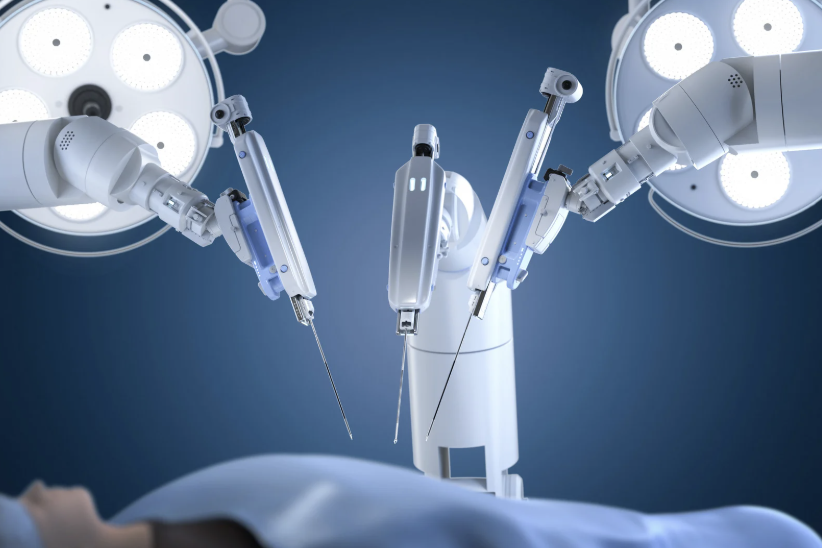
Robotic-Assisted Surgery: Robotic systems are being developed to further improve precision and reduce surgeon fatigue.
Biocompatible Materials: Advances in materials science are leading to stronger, more durable implants that integrate seamlessly with the body.
5. Conclusion
The transition from traditional to digital implant instruments has revolutionized dental implantology, making procedures safer, faster, and more predictable. Digital surgical guides, in particular, have set a new standard for precision and patient care. As technology continues to advance, the future of dental implant instruments promises even greater innovations, further enhancing the quality of care for patients worldwide.
For dental professionals, embracing these advancements is not just an option—it’s a necessity to stay competitive and deliver the best possible outcomes.
This article can be published on your website to attract dental professionals seeking insights into the latest trends and technologies in implantology. It also positions your brand as a thought leader in the dental equipment industry.