
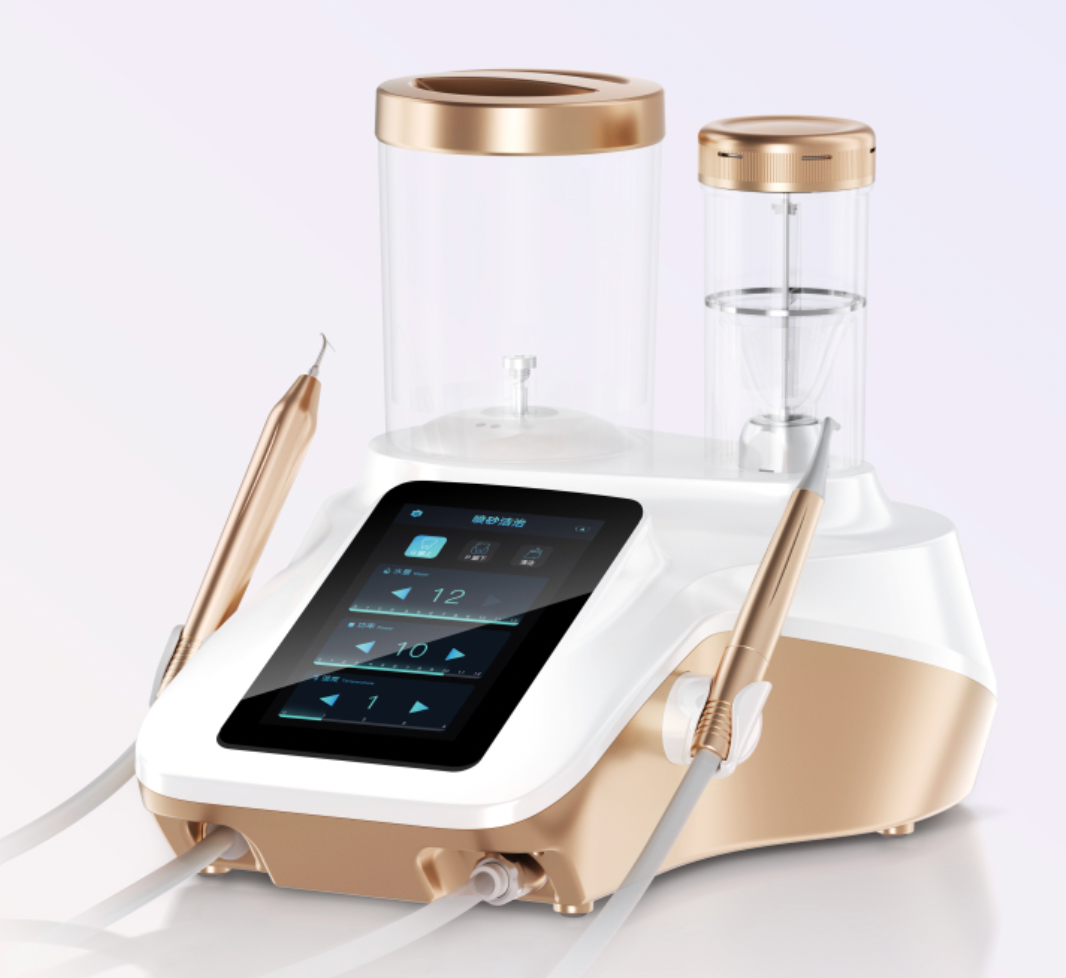
Dental scaler and air polisher units, such as the Woodpecker PT-A and PT-B, combine ultrasonic scaling and spray polishing into one device for efficient biofilm, stain, and calculus removal. These, along with alternatives like the HuFriedyGroup PWR, provide comprehensive prophylaxis, improving patient comfort and reducing clinician ergonomic strain.
What are the differences between teeth cleaning, air polishing, and polishing? Teeth cleaning, air polishing, and polishing are three core procedures in dental teeth cleaning and whitening. Their operating principles, cleaning goals, and applicable scenarios are completely different, and they are often performed in the order of "teeth cleaning → air polishing → polishing." The core differences and practical points are as follows, clearly distinguishing their core functions, applicable groups, and operational characteristics:
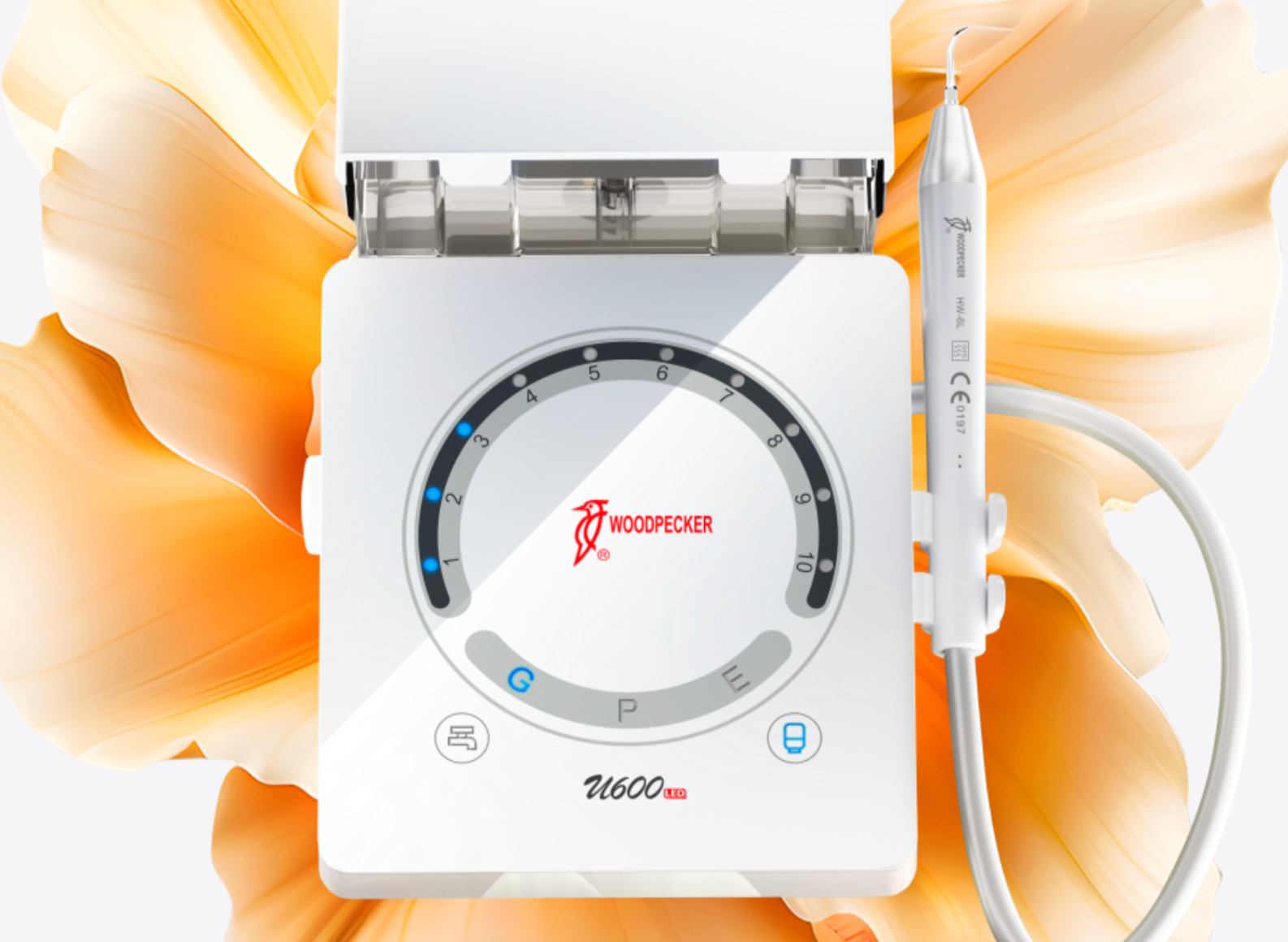
I. Teeth Cleaning (Supragingival Scaling) – Basic cleaning, removing tartar/plaque
Core Positioning: A fundamental and essential procedure for teeth cleaning, belonging to basic oral care, and a prerequisite for air polishing and polishing.
Operating Principle: High-frequency vibrations from an ultrasonic scaler break up tartar and plaque on the tooth surface (above the gum line), while water washes away the debris; some manual scalers assist in cleaning stubborn tartar between teeth and in the gingival sulcus.
Cleaning Goals:
Removes hard surface stains (tartar, plaque) from teeth
Removes irritants from the gum line, relieving gum redness and bleeding (improves gingivitis)
Restores the natural color of teeth (not whitening, just removing surface stains)
Suitable for everyone for routine oral cleaning, especially:
Those with tartar and plaque buildup (that brushing cannot remove)
Those with bleeding gums or early symptoms of gingivitis/periodontitis
Recommended every 6-12 months as a basic oral health practice.
Features: Non-invasive, quick procedure (30-60 minutes), may cause temporary tooth sensitivity afterward (mild sensitivity to cold/acid);
Only removes visible hard stains, cannot remove pigmentation, and does not change the natural color of teeth.
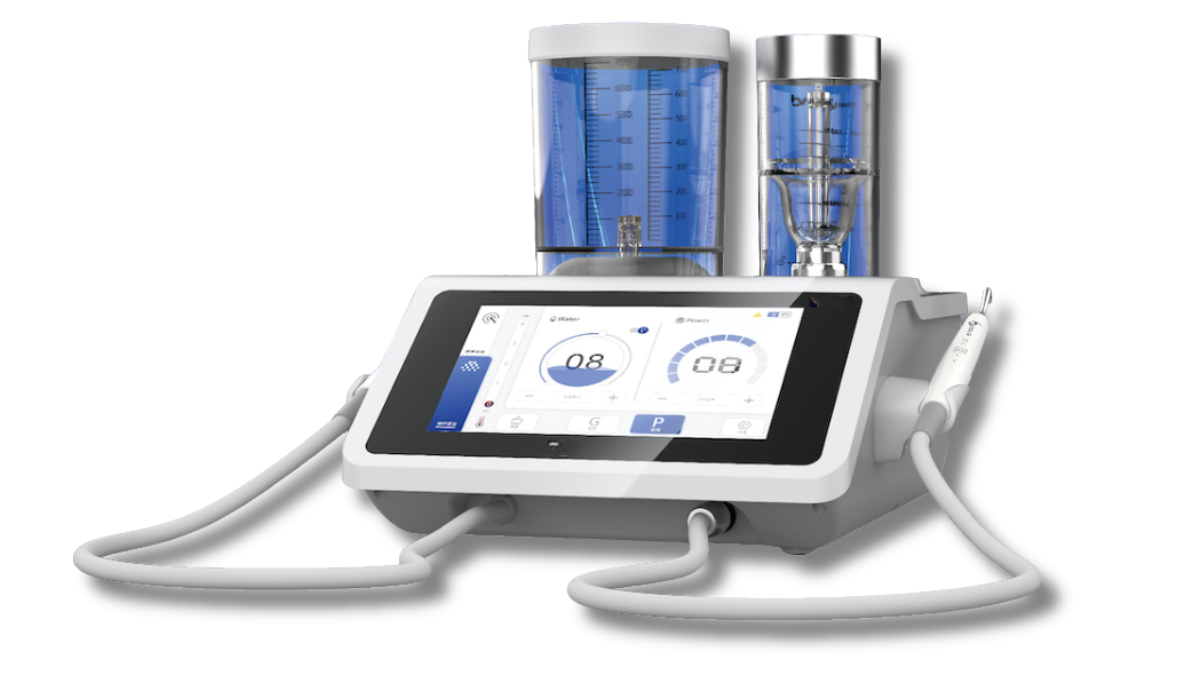
II. Air Polishing – Deep stain removal, targeting pigmentation/stains from smoking/tea
Core Positioning: An advanced supplement to teeth cleaning, primarily targeting surface staining, suitable for those with extrinsic staining.
Operating Principle: Dental scaler and air polisher high-pressure airflow propels specially formulated abrasive powder (mostly sodium bicarbonate/citric acid powder) onto the tooth surface. Through the impact and chemical action of the powder, it removes soft pigment layers (stains from tobacco, tea, coffee, betel nut, food coloring, etc.) from the tooth surface.
Cleaning Goals:
Removes extrinsic pigmentation that cannot be removed by traditional teeth cleaning, resulting in whiter teeth.
Cleans hard-to-reach areas such as between teeth, gingival sulcus, and dental fissures.
Provides secondary cleaning for soft plaque and tartar on the tooth surface.
Suitable for: Those who smoke, drink tea, coffee, or chew betel nut regularly, resulting in noticeable tooth discoloration;
Those whose teeth remain yellow or black after teeth cleaning and wish to improve their appearance;
Those with close gaps between teeth and deep fissures, where conventional teeth cleaning is insufficient.
Features: The air-blasting powder particles are extremely fine, causing no damage to tooth enamel and providing a more delicate cleaning than professional scaling.
Post-treatment tooth smoothness is improved, reducing subsequent staining and plaque buildup.
It cannot be done alone; it must be performed after scaling (removing tartar first, then stains to avoid covering tartar beneath stains).
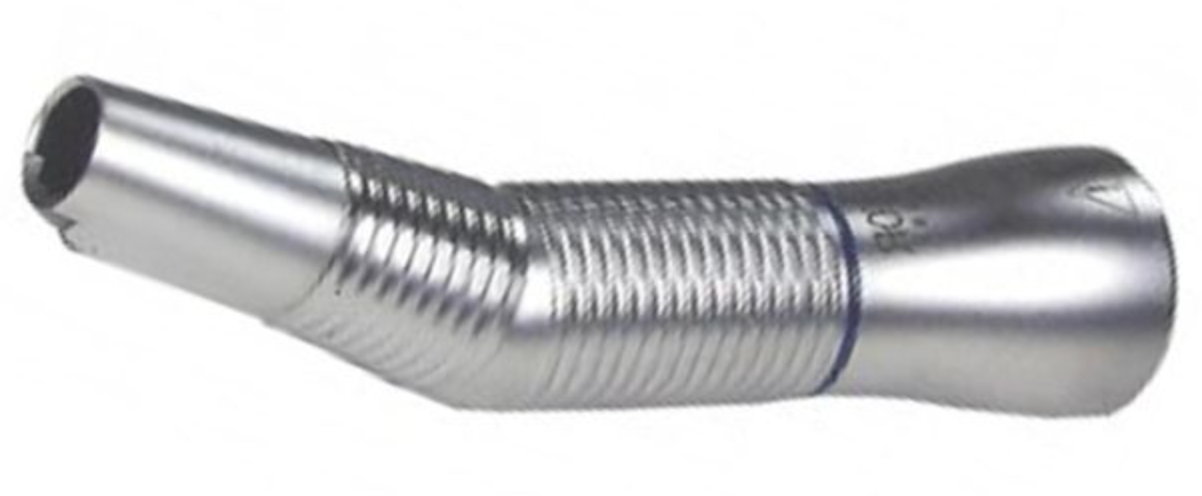
III. Polishing – A meticulous finishing touch for a smoother tooth surface
Core Function: A finishing step after scaling/air-blasting, it does not have a separate cleaning function; its core purpose is to reduce re-adhesion of dirt and prolong the cleaning effect.
Operating Principle: Using a low-speed dental handpiece, a polishing cup/strip (dipped in polishing paste containing fine abrasives) is gently rotated and polished on the tooth surface to smooth out the minor roughness after scaling/air-blasting, creating a smooth enamel surface.
Core Functions: Makes tooth surfaces extremely smooth, reducing the re-adhesion of tartar, plaque, and stains.
Relieves slight tooth sensitivity after cleaning (smooth surface reduces external irritation).
Enhances tooth shine, making clean teeth brighter.
Suitable Scenarios: Polishing is recommended after all teeth cleaning/air polishing procedures. It's a standard finishing step and has no significance as a standalone procedure.
Features: Gentle operation, no discomfort, short time (10-15 minutes); Polishing paste has a finer abrasive than air polishing powder, only performing fine surface polishing without damaging tooth enamel.
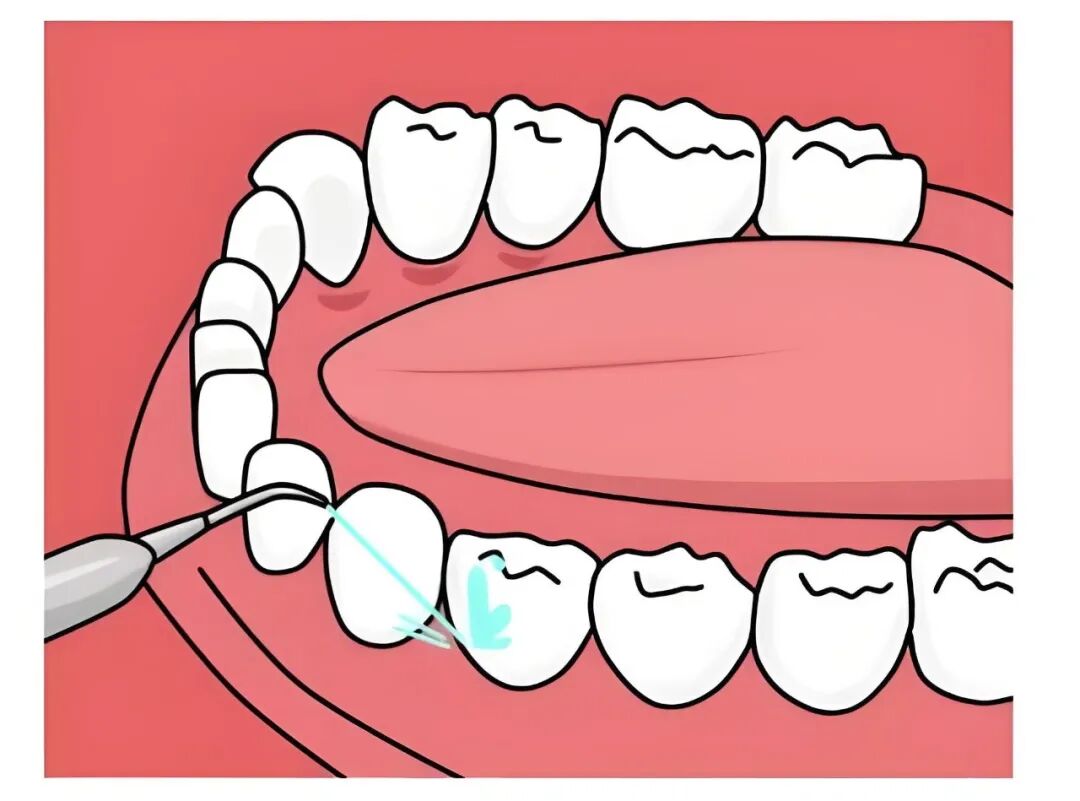
Core Summary: Relationship and Selection Recommendations
1. Operation Order (Golden Combination)
Teeth Cleaning → Air Polishing → Polishing
First, remove hard tartar with teeth cleaning (basic), then use air polishing to remove stains (advanced whitening), and finally use polishing to smooth the surface (finishing touch-ups and preventing adhesion). The combination of these three steps provides the most complete teeth cleaning and whitening solution.
2. Selection Recommendations
Daily Cleaning: Only "teeth cleaning + polishing" is needed, once every 6-12 months;
For stains: "teeth cleaning + air polishing + polishing", once every 1-2 years depending on the severity of staining;
Note: All three are physical cleaning/polishing methods, only targeting extrinsic stains/ This treatment is ineffective for intrinsic discoloration such as tetracycline staining, fluorosis, and congenital yellowing of teeth (these require whitening procedures like teeth whitening with cold light or porcelain veneers).
General Precautions: All three procedures are non-invasive dental procedures and will not damage tooth enamel when performed correctly.
Avoid excessively cold, hot, acidic, or sweet foods for 1-3 days post-procedure to reduce tooth sensitivity.
Maintaining proper brushing techniques (Bass brushing) and flossing after the procedure can significantly prolong the cleaning effect.
The procedure must be performed at a reputable dental clinic to avoid damage to teeth from inferior equipment/materials used in unqualified clinics.
Is air polishing teeth worth it?
By using air, water, and fine powder particles, airflow technology can reach areas that traditional teeth cleaning methods often miss, ensuring a more comprehensive clean. This not only helps maintain good oral health but also plays a crucial role in preventing gum disease and protecting dental work such as implants.
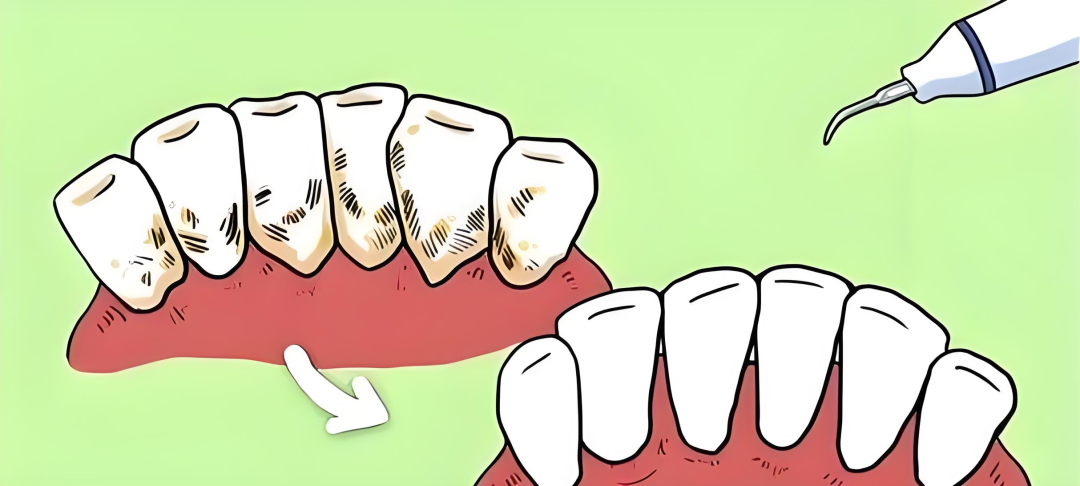
Is airflow dental better than scaling?
Each method has its strengths, including: Traditional scaling is highly effective for removing hardened tartar deposits. Airflow excels at removing biofilm, plaque and surface stains, especially in hard-to-reach areas, as well as cleaning around dental implants and along the gum line
Does air polishing remove tartar?
Air polishing is a modern hygiene treatment that provides a pain-free, drill-free method to remove teeth stains, surface plaque, and tartar without scraping or discomfort. It's ideal for those looking to brighten their smile, refresh their oral health, or maintain results after having their teeth whitened.
How long does air polisher take?
The Air polisher procedure takes around 30 minutes in total, making it a very popular and attractive dental hygiene option for many people. It is a great way to improve the appearance of your teeth before a special occasion. Yes, Air polisher treatment is completely pain-free.
Does air polisher make teeth whiter?
Airflow cleaning is a great way to brighten your smile simply and effectively. It will remove surface staining but will not lighten the base colour of the teeth.