
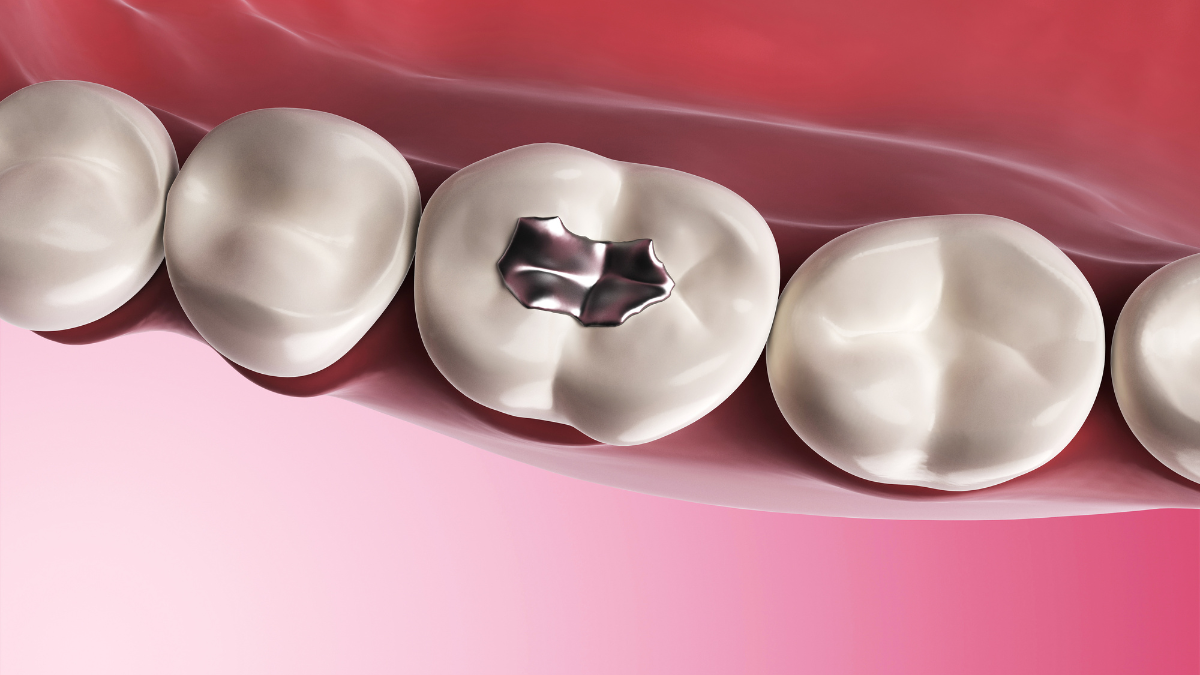
Friends who have had dental fillings, never take it lightly!
The dental filling material in your mouth always falls out when you're off guard—whether it's knocked off by a toothbrush while brushing, scraped away by dental floss, stuck off by eating soft, sticky sweets, pried off by chewing hard foods, or even dislodged silently without any external force.
The replacement keeps falling off, and then it falls off again after being fixed. Time and again, it just happens to exceed the hospital's warranty period, making me feel utterly wronged and forcing me to pay extra for another repair.
1. The larger the range of tooth defects, the poorer the retention force of the filling material, and the higher the probability of tooth loss.
If it frequently falls off, it is not recommended to simply fill the teeth. Prioritizing crown restoration would be more appropriate.
2. Teeth that have undergone root canal treatment
Root canal treatment will remove all dental pulp, causing the teeth to lose their nutritional supply and become fragile and prone to cracking.
The tooth body is damaged, and the filling material is naturally unstable, making it easy to fall off.
So for teeth treated with root canal therapy, simply filling the teeth is far from enough, and it is usually recommended to have dental crowns for protection.
3. Improper daily dental habits
Regularly eat foods with strong stickiness and high hardness.
The repaired teeth themselves are not original intact teeth, and even if the material properties are good, long-term excessive chewing will accelerate wear, loosening, and detachment.
4. Secondary dental caries
After filling the teeth, if the original decayed area is decayed again, it is secondary caries. Tooth decay can damage the bonding surface between the tooth body and the filling material, resulting in reduced adhesion and easy detachment of the material.
Generally, the appearance of black lines at the edge of dental fillings is a signal of secondary caries.
5. Inappropriate selection of dental filling materials
Some people may choose materials with low cost-effectiveness and poor adaptability due to budget and other reasons. After long-term use, the stability will be insufficient and the probability of detachment will significantly increase.
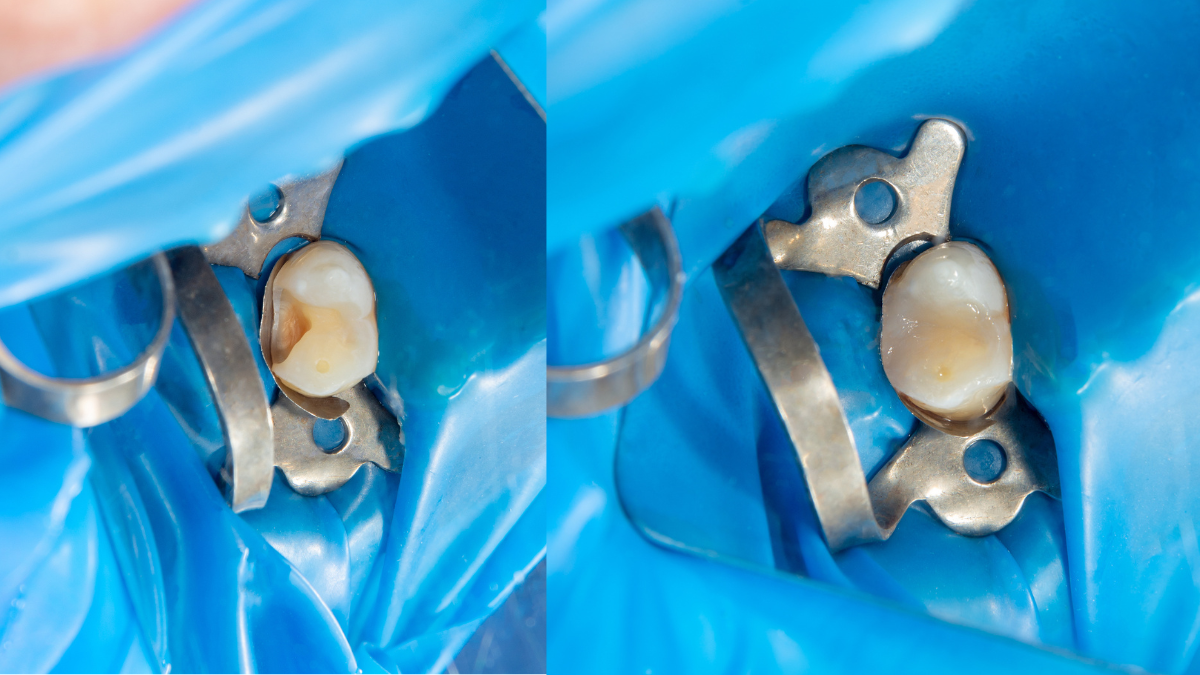 6. Insufficient filling during dental filling operation
Teeth filling may seem simple, but in reality, the detailed operation is a great test of a doctor's skills. The filling is not tight, and the material naturally cannot stick firmly.
There are two steps that are most prone to problems:
One is tooth cavity preparation. It is necessary to grind a hole shape that is conducive to material fixation, and after cleaning the decayed tooth body, a small amount of healthy tooth body repair is also needed. Many people may mind the wear and tear of their teeth, but in fact, moderate restoration is to make the filling more secure.
The second is the material bonding process. During the bonding process, if there is even a trace of saliva or blood, the adhesive effect will be greatly reduced and the material is prone to detachment.
Rubber barriers are used in regular operations to completely isolate saliva and blood contamination. The comfort level when worn is average, but doctors are willing to use rubber barriers, which shows that the diagnosis and treatment procedures are very standardized and professional
7. The position of dental filling affects its service life
The anterior teeth are relatively thin, and it is easy for them to collapse and fall off after repairing the tooth cutting angle; The chewing force on posterior teeth is greater, but the material has better wear resistance, and the overall service life is generally longer than that of anterior teeth.
On the same tooth, the cutting angle, edge, and adjacent surface are subjected to more force, and the probability of tooth loss is also higher compared to the position of the filling tooth on the occlusal surface.
Regardless of the reasons mentioned above, thinking too much is useless. The key is to save it quickly
I hope this article can have an impact
① Prediction: Before the material falls off,
Prepare a positive mindset for dealing with unexpected situations
② Review: After re filling,
Can I help you review why the 'accident' came to you
If the missing tooth has just been repaired, don't rush to search online for the reason yet
Go see a doctor at your earliest convenience!
What should I do if the dental filling material falls off?
If your dental filling material has just fallen off, there is no need to blindly self check and struggle online first. Just go to the dental department for a follow-up visit as soon as it is convenient. First of all, let's confirm: is the missing dental filling material? Many people mistakenly use adhesive as dental filling material and it falls off, causing mistakes.
After confirming that the material has really fallen off, it is important to seek medical attention as soon as possible. It is best to handle it when the teeth are not sore or sensitive. It is troublesome to wait until there is pain before remedying it.
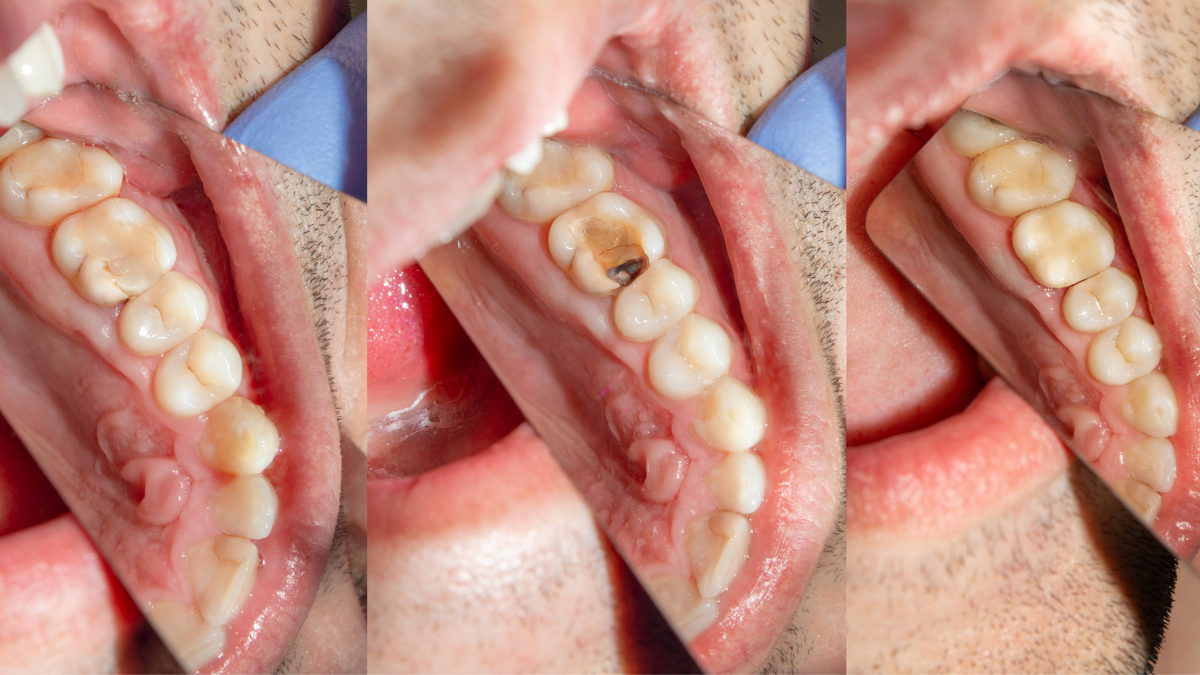
Doctor's treatment method: choose one of two options:
If the tooth loss is caused by external force or minor secondary caries, and the tooth defect does not expand or damage the dental nerve, the tooth can be directly filled again. Even if only a small piece falls off, it is necessary to completely remove the old materials and refill them completely.
If the tooth cavity defect enlarges and the dental nerve is exposed during crown restoration, root canal treatment should be performed first, followed by wearing the crown for long-term stable restoration. Is there a way to prevent the filling material from falling off again? It's hard to say. If it is really 'missing and filling', it means that this tooth is not suitable for filling! Is it worth repeatedly spending money?
The hardness and stability of ordinary resin dental restorations are limited. For teeth with large defects and high repair difficulty, it is important to replace the restoration method as soon as possible and choose inlay, all ceramic crowns, or porcelain crowns in order to achieve long-term stability and normal chewing and use.