"Poor teeth lead to widespread diseases." The oral cavity is the first passage for food to enter the human body. Multiple foreign studies have found that the condition of teeth is closely related to overall health. The current situation of oral health issues globally is worrying, with over 80% of adults facing dental diseases, which urgently requires our attention.

So, what diseases can poor dental hygiene lead to? Let's explore some "uncommon knowledge" about teeth today.
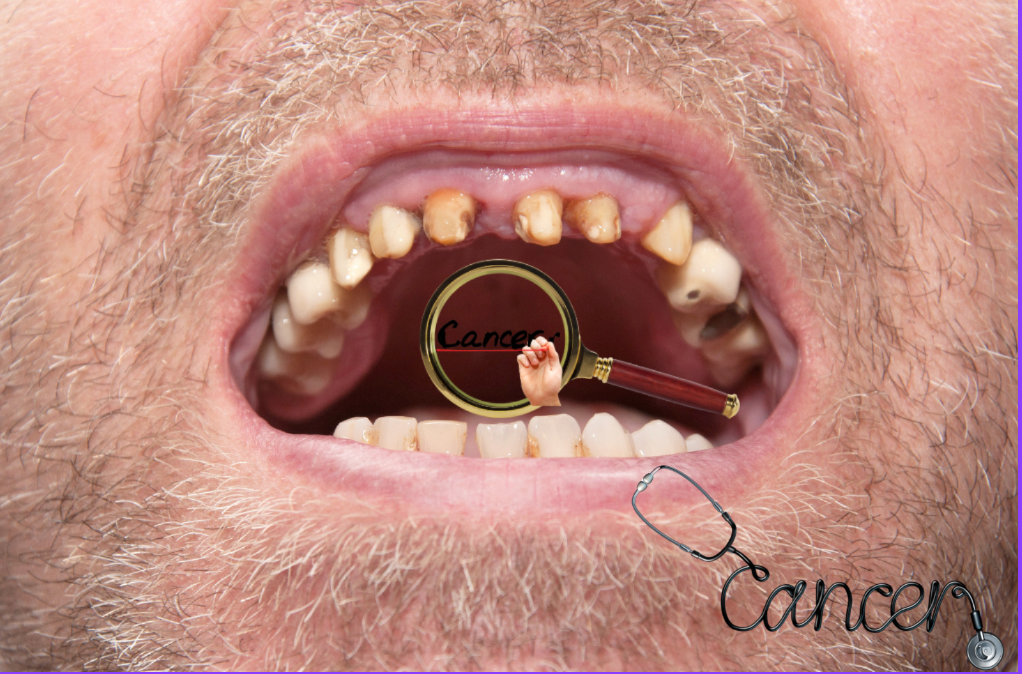
1. More susceptible to cancer.
American scientists have found that gum disease is a significant factor contributing to the increase in head tumors.
Research conducted by the Medical Research Center of Nagoya University in Japan also found that individuals with a high rate of tooth loss had a 136% increase in the incidence rate of esophageal cancer, a 68% increase in the incidence rate of head and neck cancer, and a 54% increase in the incidence rate of lung cancer.
In addition, poor dental hygiene increases the risk of oral cancer, tongue cancer, and other diseases.
2. High risk of heart disease.
Research conducted by the UK's National Health Service (NHS) and the University of Leeds has found that individuals who have experienced severe tooth loss in their youth have a 35% higher risk of dying from heart disease compared to those who have lost four or fewer teeth.
Relevant experts in Japan also point out that toxins and bacteria generated by periodontitis can invade the bloodstream, not only causing platelet coagulation, but also directly forming thrombi in the arteries, leading to acute myocardial infarction.

3. Gastrointestinal problems.
Poor teeth can limit chewing ability, especially in the elderly. If food is not chewed thoroughly, it can increase the burden on the gastrointestinal system.
Over time, the secretory function of the gastrointestinal tract may also be affected, leading to symptoms such as stomach pain, abdominal pain, abdominal distension, nausea, indigestion, and constipation.

4. Susceptible to pharyngitis.
The habit of not brushing teeth before going to bed is not advisable.
Many young people enjoy snacking on foods like snacks and barbecue before going to bed, but they often neglect to brush their teeth or rinse their mouths afterwards. The food residue left in their teeth and mouths provides a breeding ground for bacteria.
Over time, when the bacteria grow to a certain extent, they may migrate to the throat and cause inflammation.

5. Impaired memory.
A study conducted by North Carolina State University in the United States found that the fewer teeth a person has and the more severe their gum problems are, the lower their scores in memory and thinking abilities tend to be.
Researchers believe there may be two major reasons for this. Firstly, poor oral health may indicate a poor diet, resulting in a lower intake of nutrients beneficial to brain health. Secondly, oral diseases, especially gingivitis, can trigger inflammation throughout the human circulatory system, thereby affecting cognitive function.

6. It can make people depressed.
A new study conducted by Deakin University in Australia has found a correlation between dental health and depression.
Researchers found through analysis that 61% of the surveyed individuals exhibited depressive symptoms and had experienced dental discomfort in the past year, while 57.4% of them perceived their dental health to be poor.