
It's often heard that people say, "I brush my teeth every day, but why do I still have tooth decay, gum bleeding, and my teeth ache when eating or drinking hot or cold foods?" Many people only focus on "whether they brush their teeth" when it comes to dental care, but they overlook the harmful habits hidden in eating, drinking, and daily small actions. Many of these practices are considered trivial by people, but over time, they can cause the enamel to wear down little by little and the gums to continue to become inflamed. Waiting until tooth pain, gaps between teeth, or loose teeth occur to seek remedies is both time-consuming and expensive. People often think that as long as they brush their teeth in the morning and evening, their teeth will be fine. However, many damages occur silently. The enamel on the outer layer of our teeth is the hardest tissue in the human body, but it has a fatal weakness: it cannot regenerate itself. Once it is eroded or worn out, cracks will form, and it will never grow back. Often, the absence of immediate pain in the teeth does not mean there is no damage. Repeated harmful dental habits over a long period of time will only lead the teeth to repeatedly experience the cycle of "wear and tear - minor damage - further damage", gradually developing into tooth decay, periodontitis, and cracked teeth. This article will discuss with everyone which seemingly insignificant behaviors are silently damaging their teeth, as well as simple and easy-to-implement dental care methods.

Not feeling pain in your teeth doesn't mean there's no damage. Many friends have these daily habits and don't feel that they are damaging their teeth at all: tearing open package with teeth, biting nut shells; alternating between iced milk tea and hot pot; brushing teeth back and forth vigorously; not cleaning the mouth after drinking milk tea or juice before going to bed; not cleaning teeth for years, thinking that cleaning teeth will damage them and make the gaps between teeth bigger.
Everyone's teeth have different tolerance levels. Some people may experience no obvious pain in the short term after drinking ice-cold drinks or chewing on hard foods every day, but this does not mean that their tooth enamel is intact. From the perspective of Western dentistry, long-term exposure of tooth enamel to acidic substances, continuous biting forces, and rough friction can cause microscopic damage that is invisible to the naked eye. Saliva itself can neutralize a small amount of acidity and protect teeth, but frequent and continuous stimulation can far exceed the repair capacity of saliva.
Long-term alternating consumption of hot and cold foods can cause repeated thermal expansion and contraction of teeth, leading to the formation of fine cracks in the enamel. Acids present in carbonated drinks, fruit teas, and fruit juices can directly soften and erode the enamel, resulting in demineralization, yellowing, sensitivity, and soreness of the teeth. Brushing teeth vigorously in a lateral direction can wear away the enamel near the gum line, causing acidity and swelling upon eating. Biting hard objects with teeth can apply lateral shear forces to the teeth, making them prone to subclinical fractures. In severe cases, the teeth may even break directly.

There is another common misconception: the harder you brush your teeth, the cleaner they will be. In fact, removing dental plaque relies on thorough cleaning, not brute force friction. Brushing too hard will only wear down the tooth neck and prick the gums, exacerbating gum recession and tooth sensitivity. If multiple tooth-damaging habits are combined, the rate of tooth damage will double. By the time obvious tooth pain, gum recession, and cavities appear, the damage is already irreversible. Clinical statistics show that over 30% of adults in China suffer from dentine sensitivity, and most of these cases are related to long-term poor lifestyle and cleaning habits.
A truly practical guide for dental care at home: follow these steps to reduce dental diseases. 1. Master the correct cleaning method and avoid ineffective brushing. Choose a toothbrush with a small head and soft bristles, paired with fluoride toothpaste. Fluoride can strengthen tooth enamel and reduce the risk of tooth decay; hard bristle toothbrushes can wear down teeth and scratch gums, so they are not recommended for long-term use. Replace your toothbrush every 3 months, and replace it immediately if the bristles become frizzy. 2. Abandon the "sawing" method of horizontal brushing and adopt a gentle vibrating cleaning method: hold the toothbrush at a 45° angle to the gums, brush in groups of 2-3 teeth, gently vibrate the brush, then gently flick up and down along the teeth, taking care of both the inside and outside surfaces as well as the occlusal surface. Ensure to brush for at least 2 minutes each time. 3. Prioritize brushing in the morning and evening: brushing before bed is far more important than brushing in the morning. At night, saliva secretion decreases, and the self-cleaning ability of the mouth significantly drops. Food residue ferments and produces acid throughout the night, making it a high-risk period for tooth decay; simply rinsing your mouth in the morning and brushing after breakfast yields better cleaning results. 4. Clean between teeth daily with dental floss. The toothbrush cannot reach the hard-to-reach areas between teeth, and residue accumulation can lead to proximal caries and gum inflammation. Use dental floss once after each meal or before bedtime. Do not rely on toothpicks for long periods, as they can easily prick the gums and widen the gap between teeth. 5. After brushing your teeth, gently brush your tongue as well. Tongue coating accumulates a large amount of bacteria, which can lead to persistent bad breath and recurrent gum inflammation. Brush gently without applying excessive force.
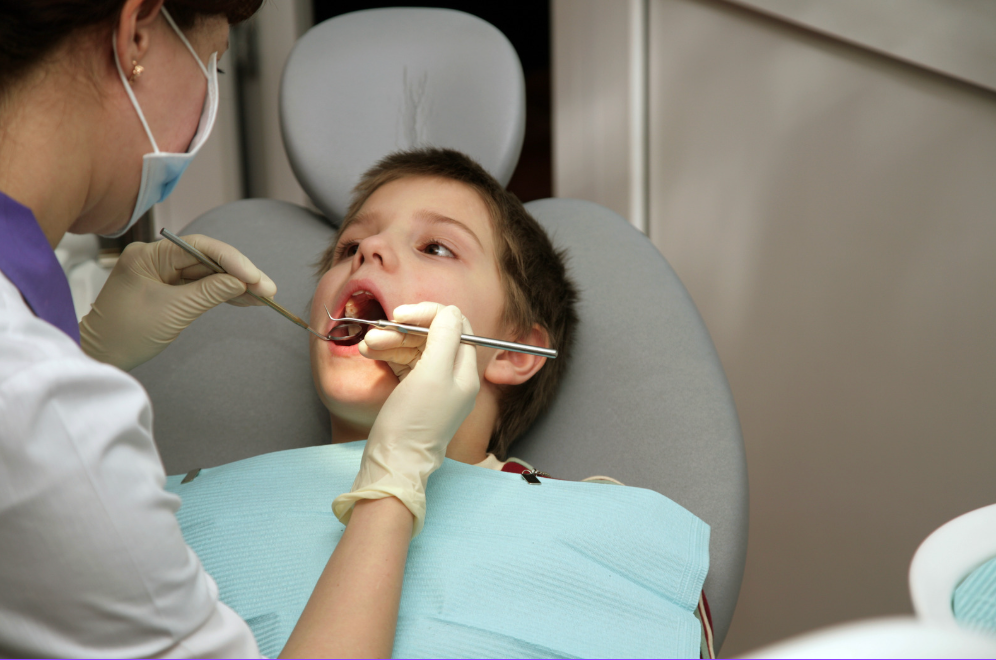
2. Control the diet at the entrance to reduce tooth corrosion and wear. ① Avoid long-term consumption of carbonated drinks, high-sugar tea, and concentrated fruit juice, as these drinks pose a dual threat to teeth with their acidity and sugar content. If consumed, use a straw to minimize direct contact between the liquid and the tooth surface. Rinse your mouth with water after drinking and do not brush your teeth immediately. Brushing immediately after the acid softens the enamel can worsen wear. Wait for half an hour before cleaning. ② Avoid alternating consumption of hot and cold foods in a short period of time to reduce cracks caused by thermal expansion and contraction of enamel. Eat less highly pickled and overly acidic foods to avoid continuous stimulation of the tooth body and gums. ③ Do not use your teeth as tools to open bottle caps, tear packaging, bite hard ice, or crack hard nut shells. Instead, use tools to prevent your teeth from bearing additional shear forces. When eating, try to chew on both sides of your mouth. Chewing on one side can lead to the accumulation of dental calculus on the unused side, causing facial asymmetry and bite disorders.
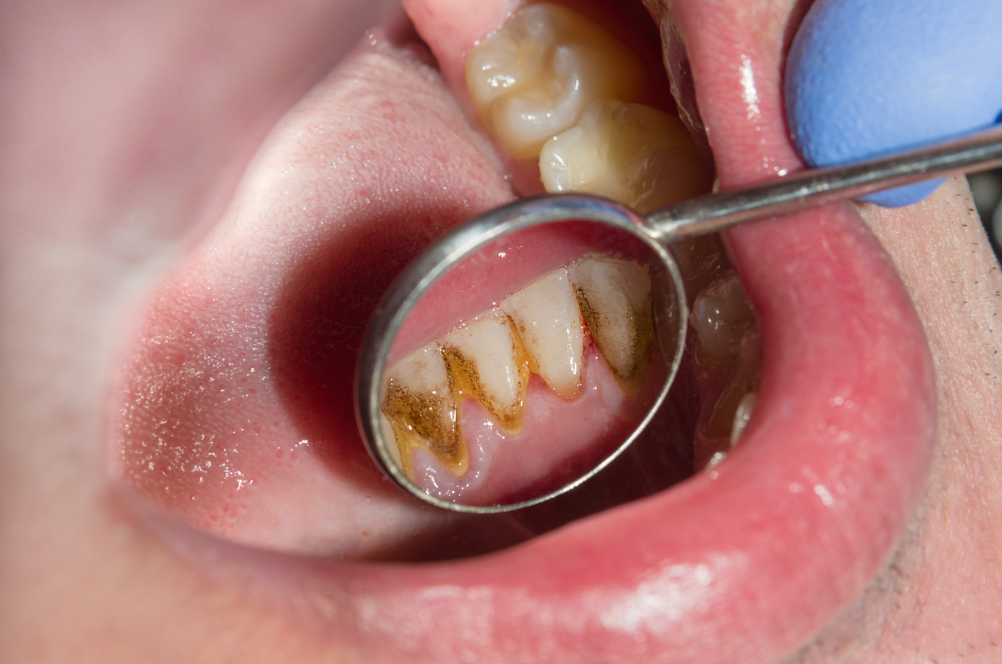
3. Regularly perform deep oral cleaning and don't wait for tooth pain to seek medical attention. Many people resist dental cleaning, mistakenly believing that it will cause their teeth to become larger or damage their teeth. In fact, the enlargement of teeth is caused by the long-term accumulation of dental calculus, which compresses and shrinks the gums. Dental cleaning only removes dental calculus and restores the original state of the gums. Dental calculus cannot be removed by brushing alone and will continue to breed bacteria, inducing gum bleeding, periodontitis, and in severe cases, resorption of the alveolar bone, loosening, and shedding of teeth. It is recommended that healthy individuals undergo regular dental cleaning every 6-12 months, and those with weak periodontal conditions should follow the doctor's advice to shorten the cleaning cycle.
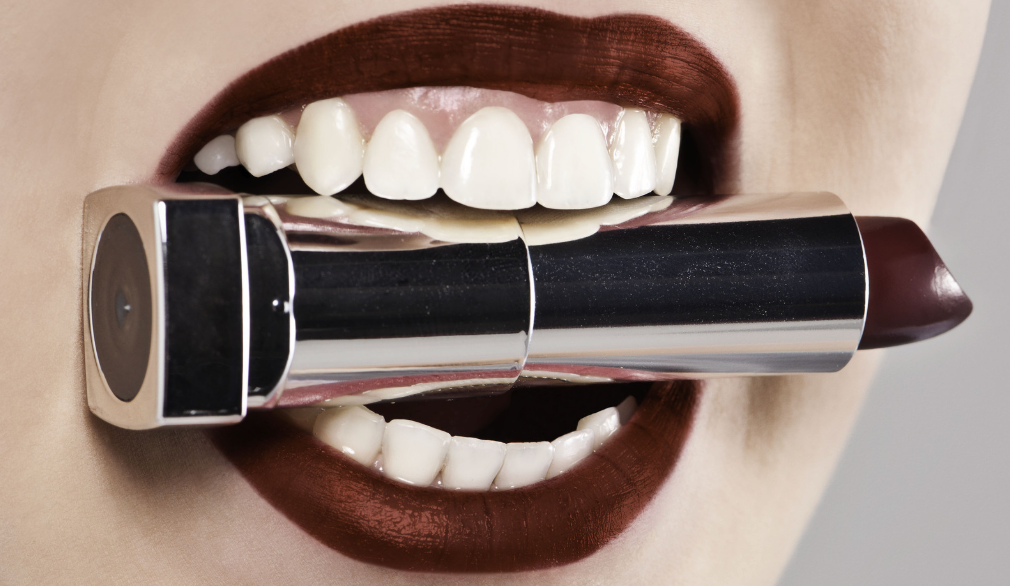
4. Reduce behaviors that exacerbate oral health risks: ① Avoid staying up late for extended periods, excessive anxiety, and irregular sleep patterns, as these can weaken oral immunity, making it easier for bacteria to proliferate, leading to recurrent gum inflammation, redness, and bad breath; ② Limit the intake of sweets and refined carbohydrates (such as biscuits, cakes, and bread), rinse your mouth promptly after eating, as starchy foods can decompose in the mouth and produce acids that erode teeth; ③ If you have a habit of grinding your teeth at night, consult a dental professional to prescribe a night guard to prevent continuous wear and tear on your teeth during sleep.
If you notice any of these dental warning signs, don't hold off on seeking medical attention. The development of oral diseases is a long process. In the early stages, most of them do not cause severe pain. Any of the following symptoms indicates that your teeth and gums have been damaged. Do not just change your toothpaste and hold off on seeking help. Instead, visit a reputable dental institution for a check-up: 1. Frequent bleeding when brushing your teeth, often accompanied by red and swollen gums, and a bloody taste in your mouth in the morning; 2. Brief stabbing pain in your teeth when eating cold, hot, sour, or sweet foods, with the pain persisting for a few seconds even after the stimulus has disappeared; 3. Frequent food impaction, with food getting stuck in your teeth and gaps visible to the naked eye; 4. White spots or black dots on the surface of your teeth, or subtle cracks or defects in your teeth; 5. Persistent bad breath even without deliberate dieting, and the odor remains even after thorough cleaning; 6. Pain or soreness when biting hard objects, with discomfort when chewing on one side; 7. Small bumps on your gums, a sensation of teeth floating, or unexplained loosening of teeth.
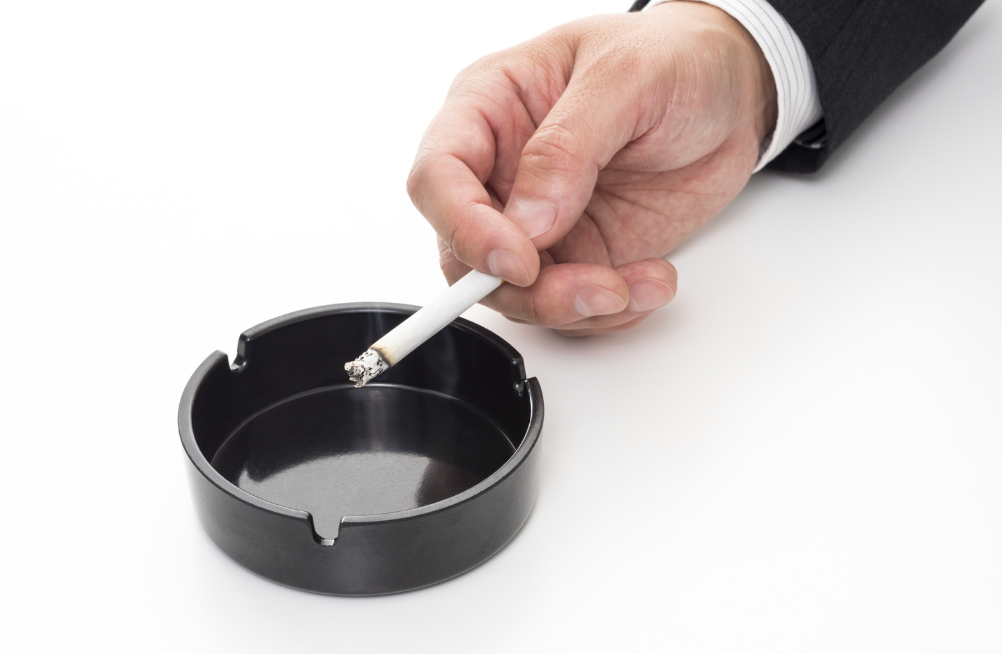
Special reminder: Feeling no discomfort does not necessarily mean that your teeth are completely healthy. People over 40 years old, those who have a long-term preference for sweet and sour drinks, those with a family history of periodontal disease, and those who smoke regularly belong to the high-risk group for oral health. Even if they do not feel any discomfort, they should undergo regular dental radiography screening. Many cases of proximal caries and concealed dental calculus are invisible to the naked eye.
In summary, taking care of your teeth is not about avoiding eating sour and sweet foods or chewing altogether. Instead, it's about avoiding continuous and repeated damage, maintaining good daily hygiene, and undergoing regular maintenance. Cherishing your teeth means not waiting for tooth pain to seek remedies, but rather starting with every brush, every bite, and every small action to reduce irreversible damage and preserve a healthy set of teeth.