
In daily diagnosis and treatment, such dialogues often occur:
Doctor: "You need a root canal treatment for this tooth."
Patient: "Root canal? What kind of root canal? Is it like a water pipe?"
Compared to procedures like scaling, tooth extraction, and filling, root canal therapy is relatively unfamiliar to most people.
Today, let's delve into the mysteries of root canal therapy?
What is root canal therapy?
Root canal therapy, also known as endodontic treatment, is the most effective method for treating pulp diseases and periapical diseases. By removing the inflamed pulp and necrotic substances from the root canal, and performing appropriate disinfection, the root canal is filled to eliminate the adverse stimulation of the root canal contents on the periapical tissues, preventing the occurrence of periapical lesions or promoting the healing of existing periapical lesions.
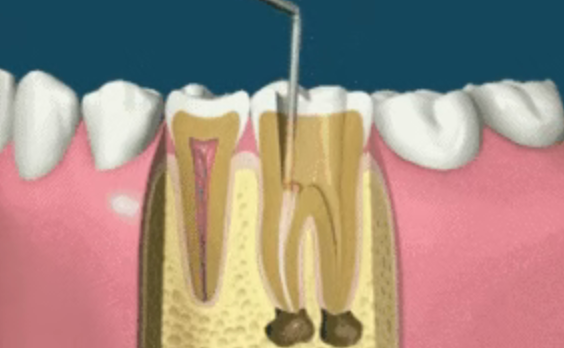
What situations require root canal treatment?
Generally speaking, root canal therapy is suitable for those with pulpitis, pulp necrosis, and various types of periapical periodontitis, including cases where the pulp cannot be preserved due to pulpitis and pulp necrosis caused by caries, subclinical fracture, excessive wear, and pulp perforation.
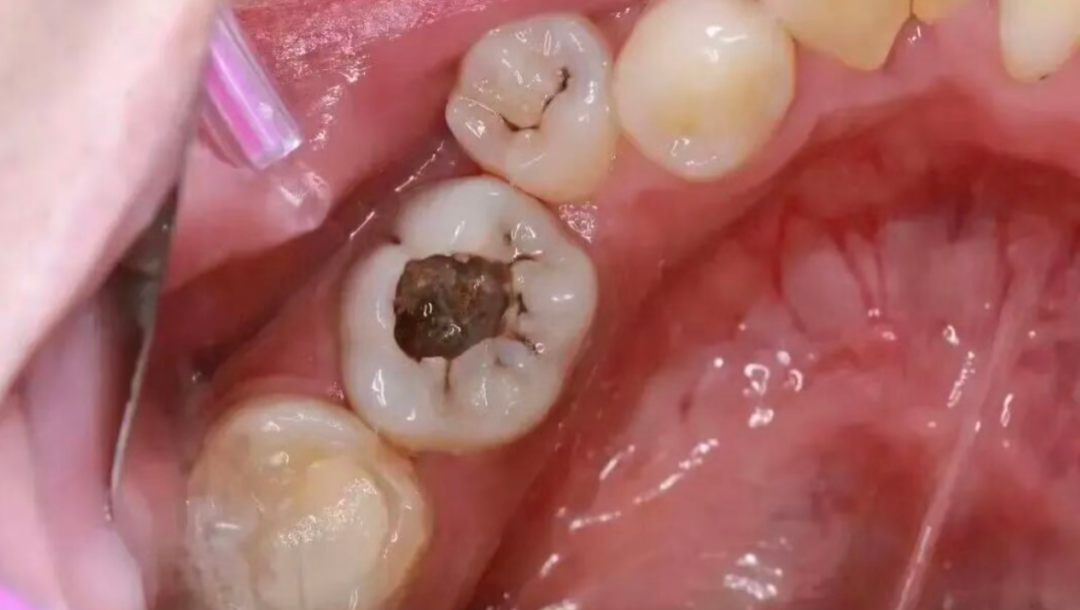
When the dental pulp is infected or irreversibly damaged, if there is still partial vitality left in the pulp, the patient will experience pain. To alleviate the patient's symptoms and prevent further infection by thoroughly cleaning the diseased pulp, it is necessary to remove the pulp nerve and perform root canal therapy.
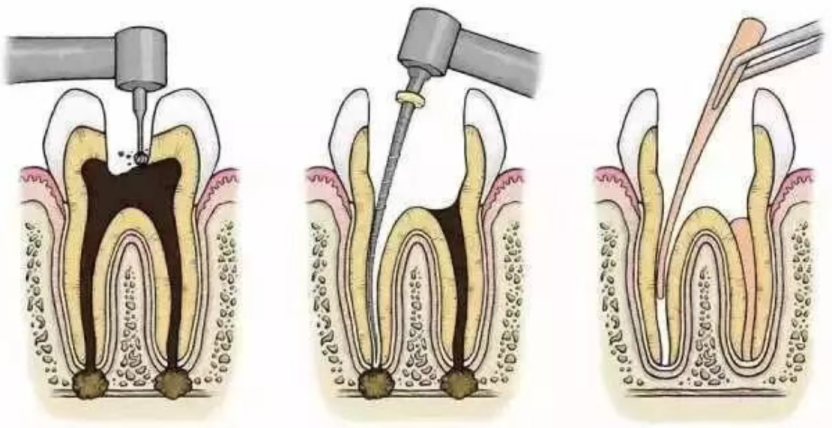
The steps of root canal therapy generally include opening the pulp chamber, thoroughly cleaning the inflammatory pulp and necrotic material inside the root canal, enlarging and shaping the root canal, disinfecting, and filling. In general, these steps need to be performed in two to three or even more sessions to achieve good therapeutic effects. Therefore, root canal therapy usually requires 2 to 4 visits and takes about 2 to 3 weeks.
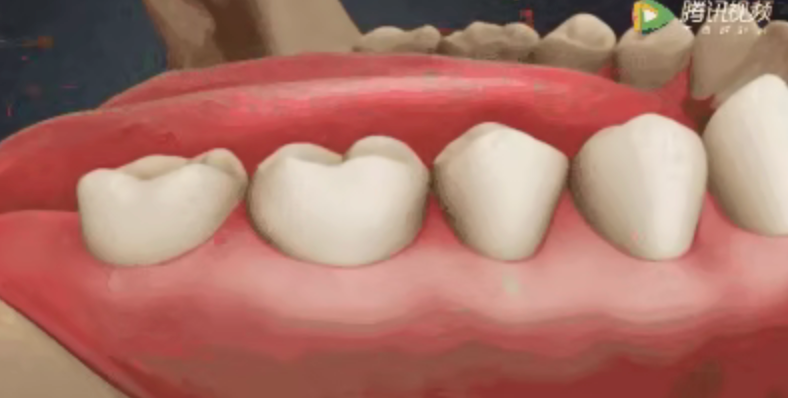
Part.1 Drilling through the decayed dentin
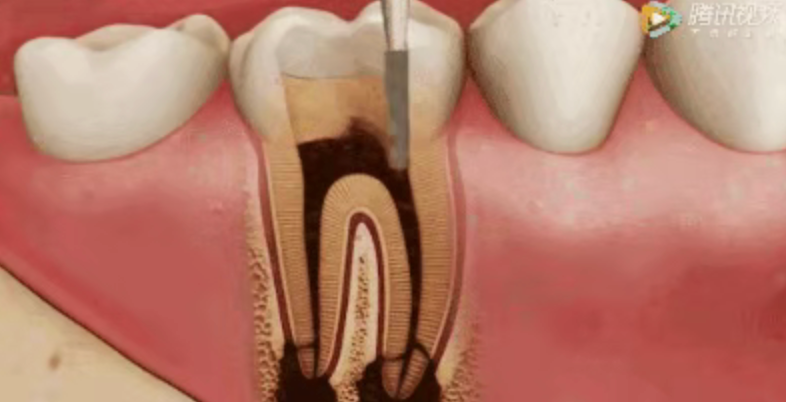
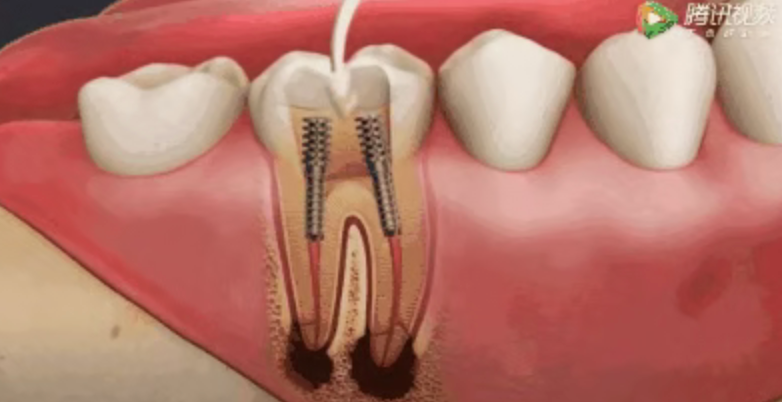
Part 2: Use a root canal to perform piston movement on the pulp to clean out the bad pulp
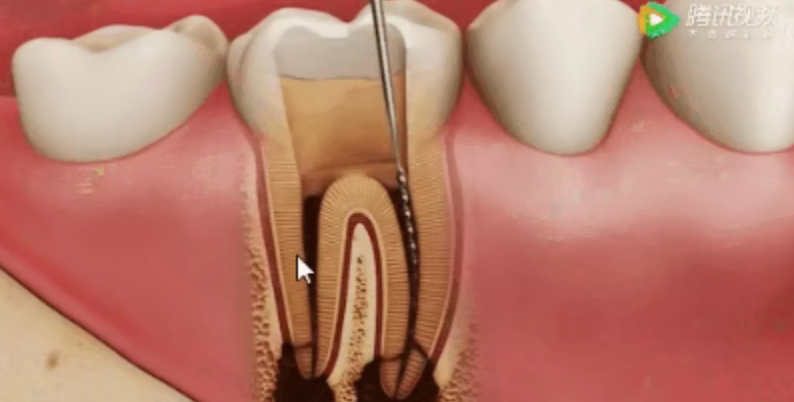
Part 3: Remove the pulp with a silver file while cleaning and removing pulp debris and bacteria
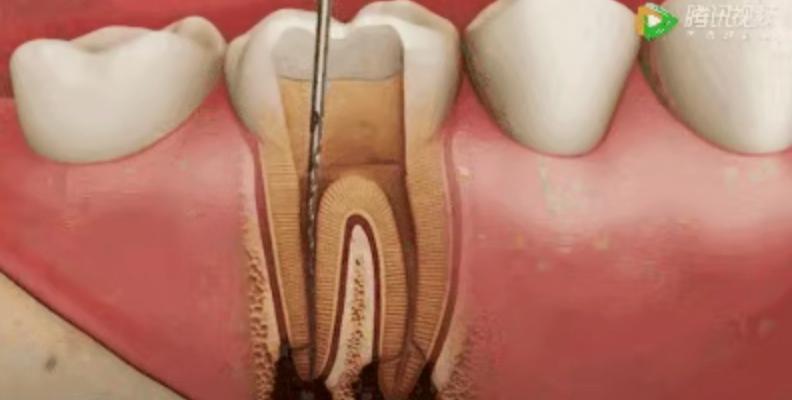
Part 4: Fill the root canal with specialized materials to ensure long-term sterility
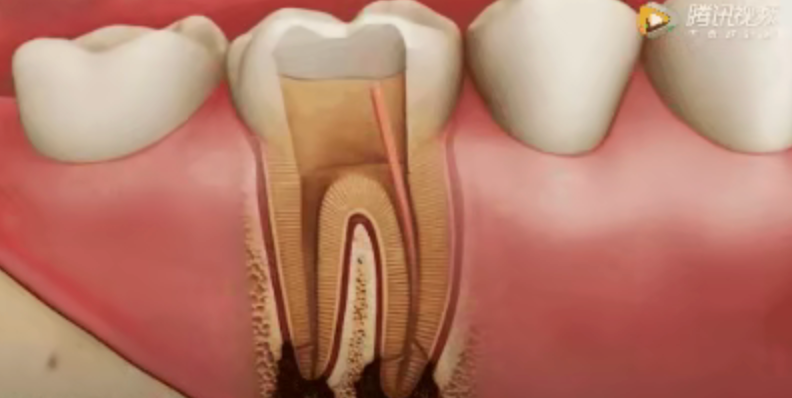
Part 5: Expanding the root canal with a root canal drill
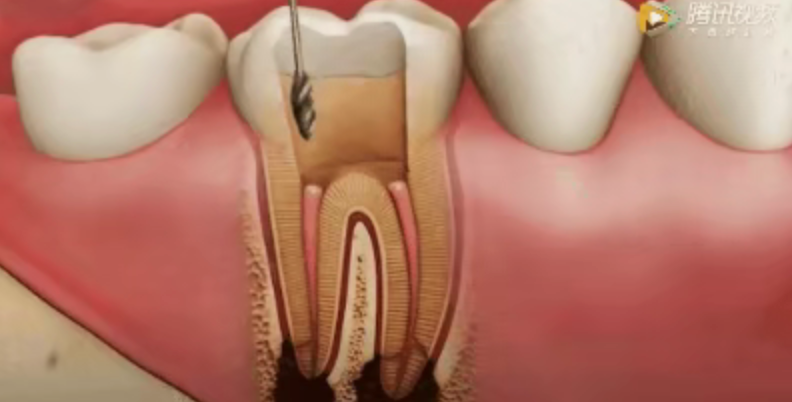
Part 6: Rooting, sealing, and consolidation
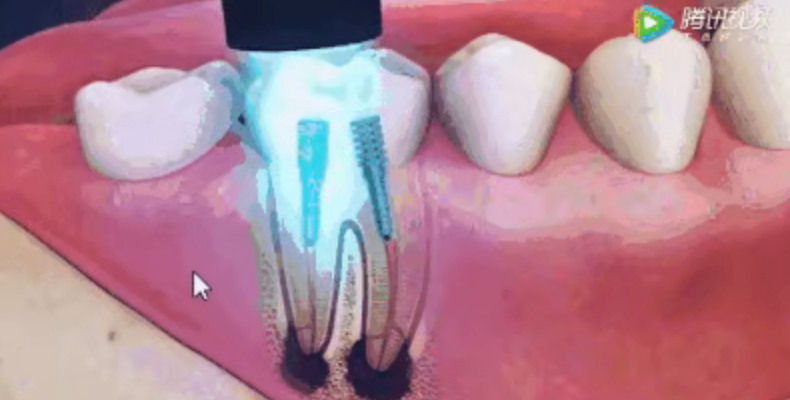
Part 7: Blue light irradiation curing
Part 8: Wait for half a month until all the roots are disinfected and the tooth no longer hurts. Then, the tooth can be sealed and an impression taken
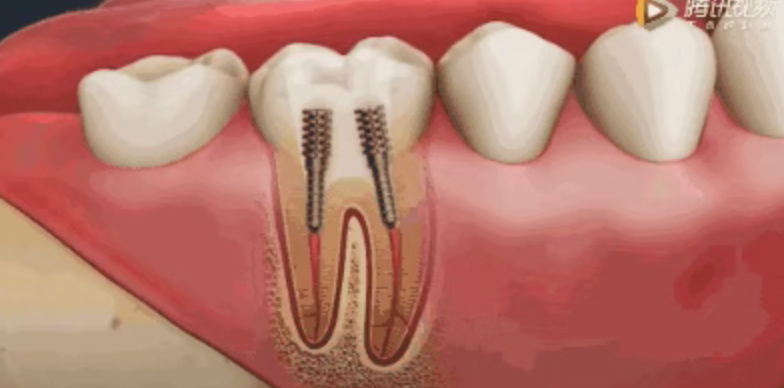
Part 9: Installing the customized dental crown and concluding the treatment
Why does root canal therapy require multiple dental radiographs?
At least three dental radiographs should be taken during root canal therapy:
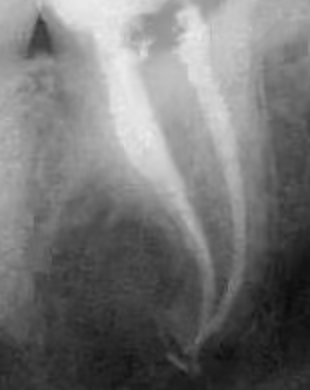
Before treatment: Assist the doctor in understanding the basic condition of the tooth root and formulating a treatment plan;
During treatment: Assist doctors in understanding the treatment progress, such as whether the root canal preparation is in place, and formulate the next treatment plan;
After treatment: Assist in evaluating the quality of root canal filling and promptly take remedial measures if any issues are identified.
Why do we need to make a crown after root canal treatment?
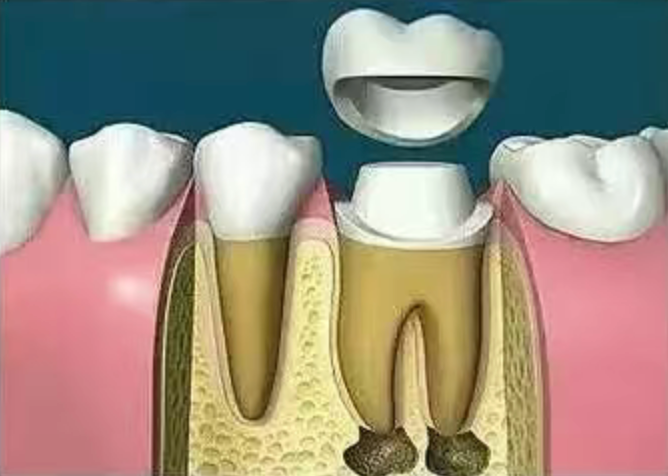
Many patients do not understand why a full crown is needed for protection after root canal therapy. After root canal therapy, teeth without the nutrition provided by the pulp will become darker and brittle, and the remaining crown part is prone to fracture and splitting, leading to a reduced lifespan of the tooth. A full crown serves as protection, akin to putting a hard armor on the tooth.
Is root canal therapy safe? Root canal therapy is indeed relatively complex, involving multiple instruments and steps, and requires several treatment steps to complete the entire process. Currently, the technology is relatively mature, and clinical reports show that the success rate of root canal therapy is about 80% to 90%. It is currently the best treatment method for preserving diseased teeth. To ensure the safety of treatment, it is important to seek root canal therapy at a reputable hospital or dental clinic.