
Dental caries, commonly known as "cavities" or "tooth decay", is a common and widespread chronic disease. The World Health Organization lists dental caries as one of the three major diseases that pose a threat to humanity (along with dental caries, tumors, and cardiovascular diseases), but it is also one of the most preventable diseases.
The etiology and pathogenesis of dental caries Human teeth have been prone to dental caries since ancient times. Records of dental caries can be found in the oracle bone inscriptions of the Yin Ruins dating back over 3,000 years (1324-1269 BC). In ancient times, dental caries was not a serious condition among humans. However, since records began, the prevalence of dental caries has shown an upward trend. Over thousands of years, the study of the etiology and pathogenesis of dental caries has undergone a long and complex process of exploration, with numerous scholars proposing various theories. As early as the 2nd century BC, the Babylonians believed that dental caries was the result of teeth being corroded by insects. In the earliest written records of China, the oracle bone inscriptions of the Yin Ruins, there is a record of the character "龋" formed by combining the pictographs "虫" (insect) and "齿" (tooth), meaning "carious tooth". With the development of science and technology, it is now widely known that perfectly healthy teeth decaying is not due to insects; rather, the "culprit" is actually bacteria.
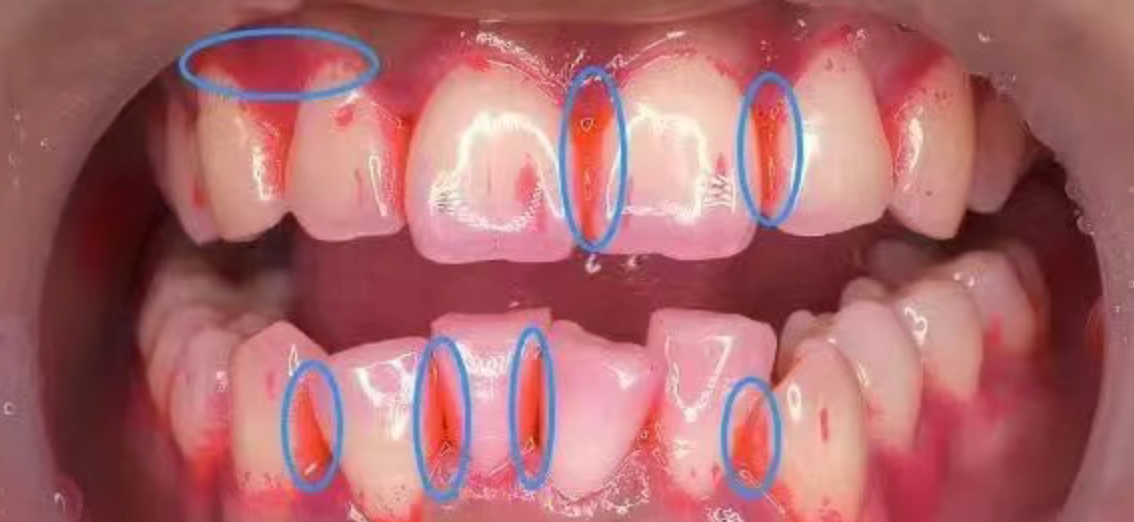
▲Dental plaque revealed after application of plaque disclosing agent
Bacteria exist on the tooth surface in the form of plaque biofilm. The plaque biofilm is composed of various components that are glued together, forming a spatially ordered and internally closely cooperating microbial community. Its formation is a relatively complex process, including the formation of acquired films, bacterial adhesion and aggregation, and plaque maturation. Popular science of dental plaque (the culprit of dental problems and scientific cleaning guidelines)
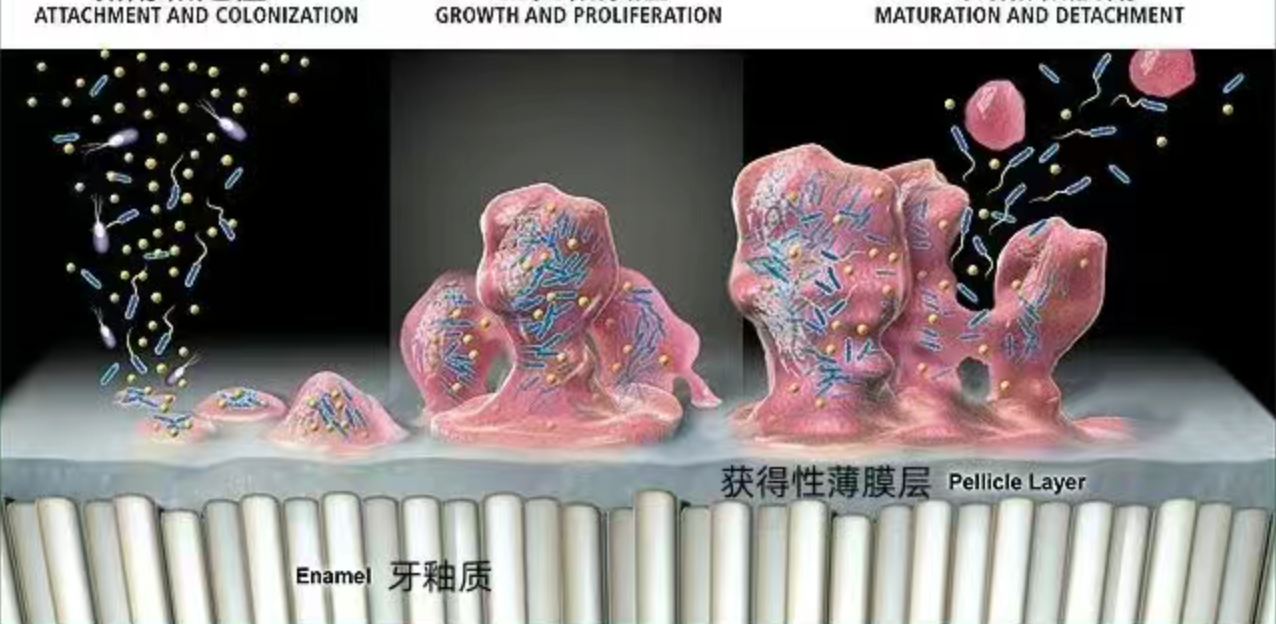
▲ Schematic diagram of the formation of dental plaque biofilm
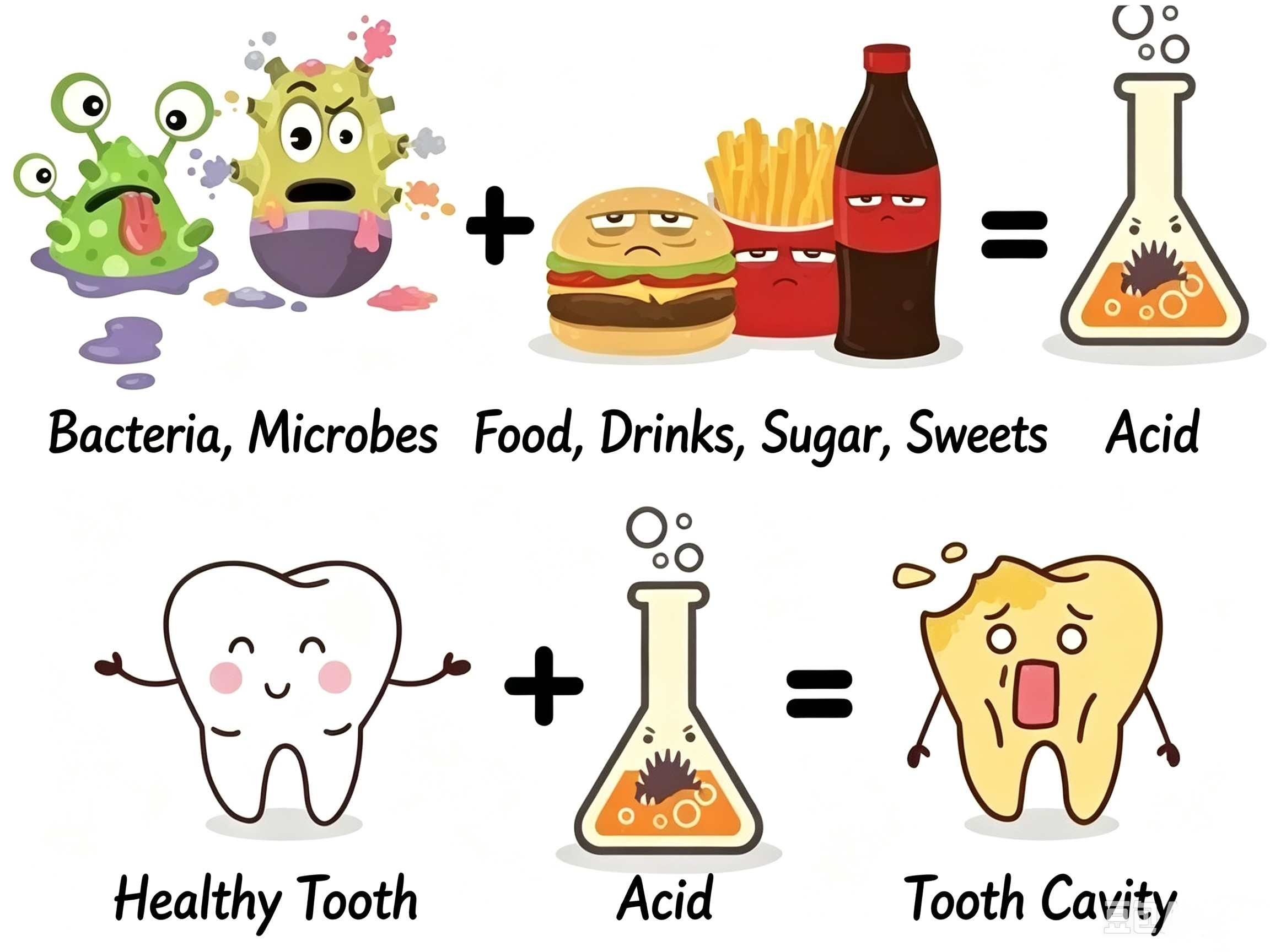
Bacteria, with their unique structure of plaque biofilm, can resist the body's own defense mechanisms, antibiotics, or the effects of some surfactants. They then adhere together, grow, reproduce, and metabolize, surviving for long periods in the oral environment. After eating three meals a day, if the teeth and their surrounding areas are not properly cleaned and cared for, bacteria will begin to decompose the sugar in the residual food in the mouth. Due to the deep hypoxia in the plaque, bacterial metabolism mainly occurs through anaerobic fermentation, converting sugar into organic acids represented by lactic acid as metabolic products. Due to the special structure of the biofilm, these acids are not easily diffused and removed. Over time, more and more acidic substances accumulate in the plaque, and the local pH of the teeth begins to decrease significantly.
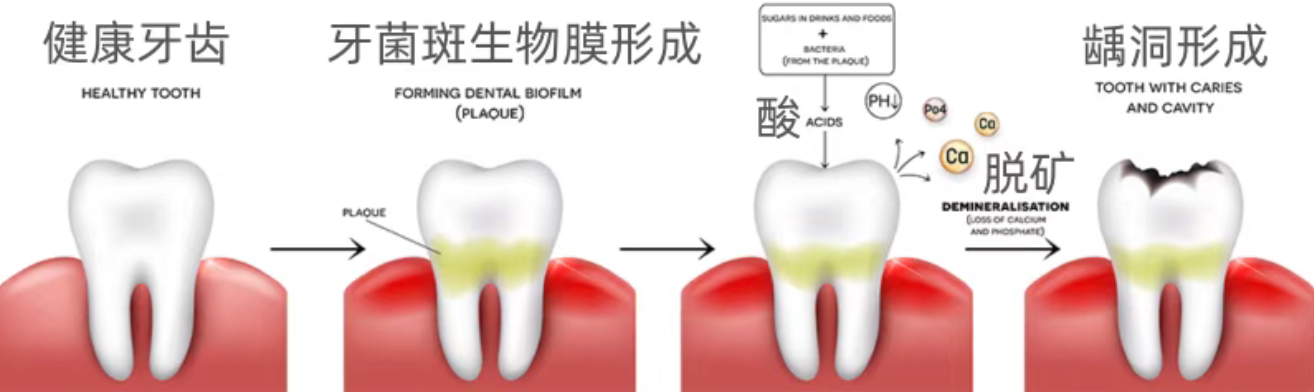
▲Schematic diagram of enamel caries: Bacteria decompose various sugars to produce acids, and excessive acids replace calcium ions in tooth enamel, leading to enamel demineralization and the formation of caries cavities
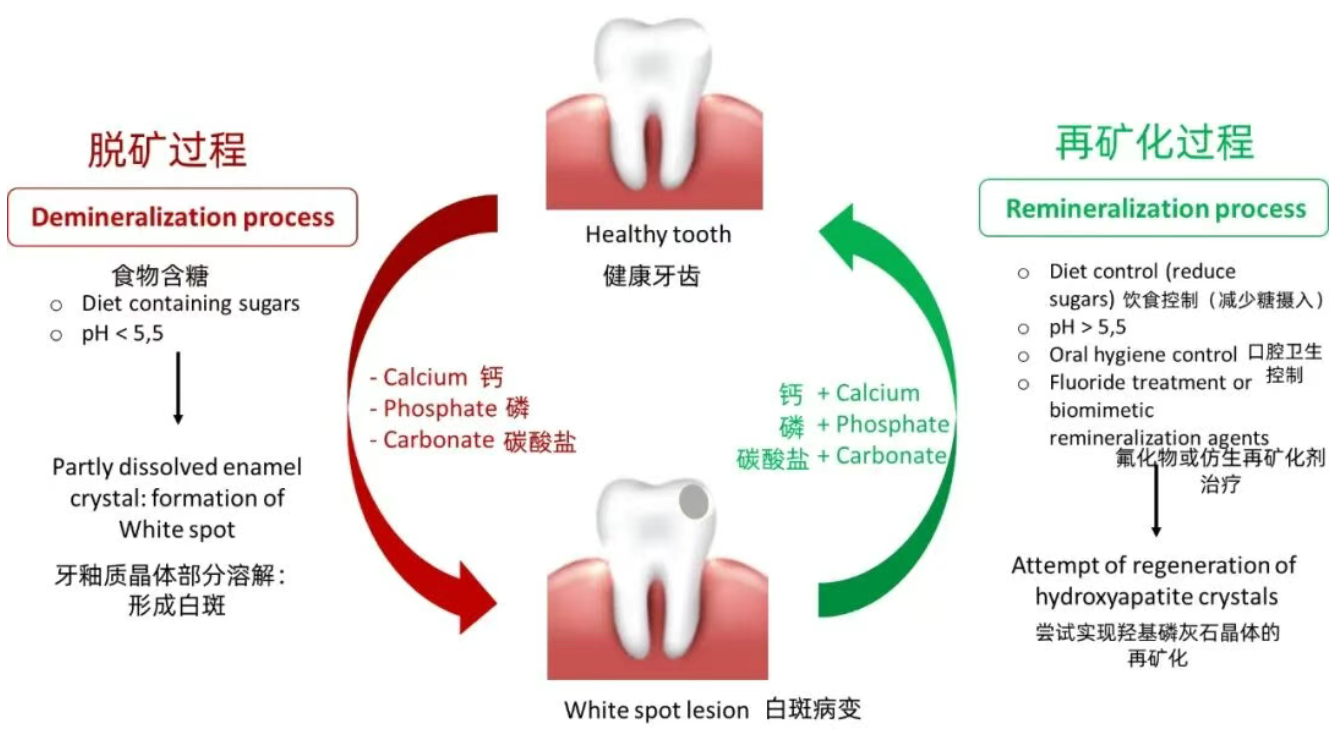
When the pH drops below the critical value (5.5), the excess acid reacts with the calcium ions in hydroxyapatite, the main component of tooth enamel, through an acid-base neutralization reaction. A large amount of calcium ions are dissolved by acidic substances, causing the strong hydroxyapatite crystals to demineralize, and organic matter to decompose simultaneously. In this way, healthy teeth are eroded and softened by acid, forming dental caries. Usually, dental caries occurs in areas where food remains and plaque accumulates and is difficult to clean, such as the occlusal surfaces of posterior teeth (molars) and the interproximal surfaces between two teeth
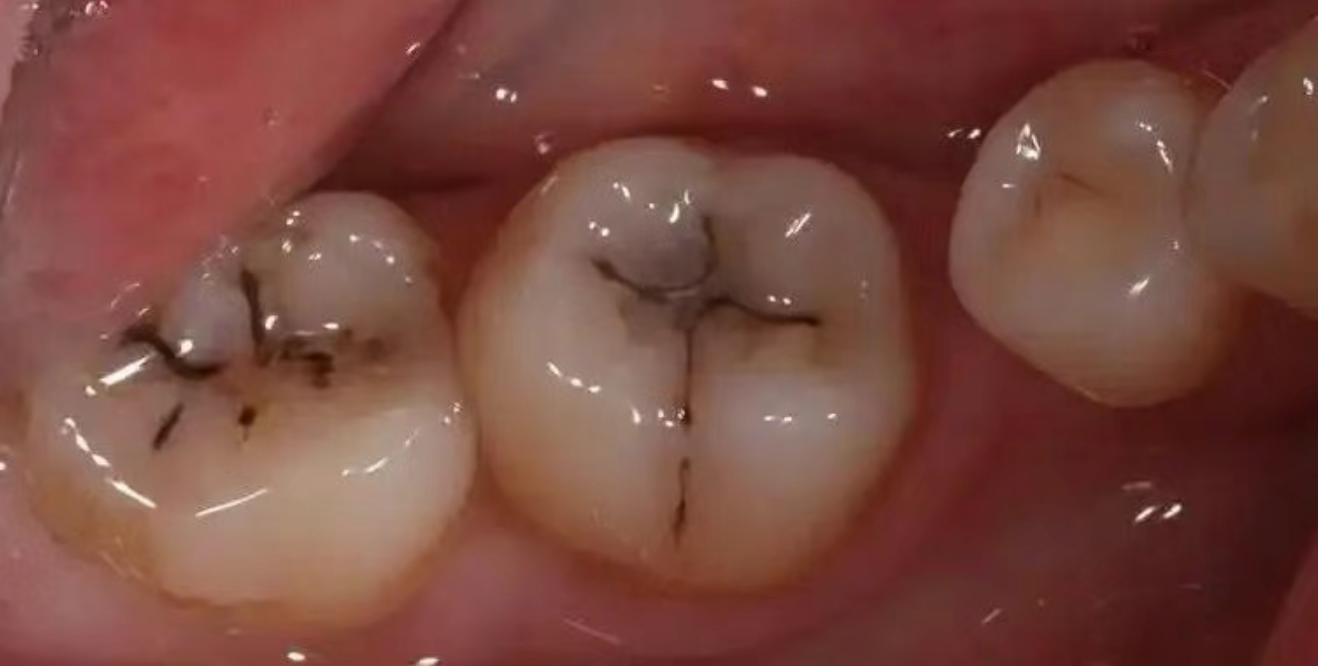
▲The occlusal surface of the teeth refers to the uppermost part of the posterior teeth, which is the main tooth surface for grinding food. It has many pits and fissures in its structure (to help crush food), making it prone to food residue. Caries occurring in this area is called pit and fissure caries
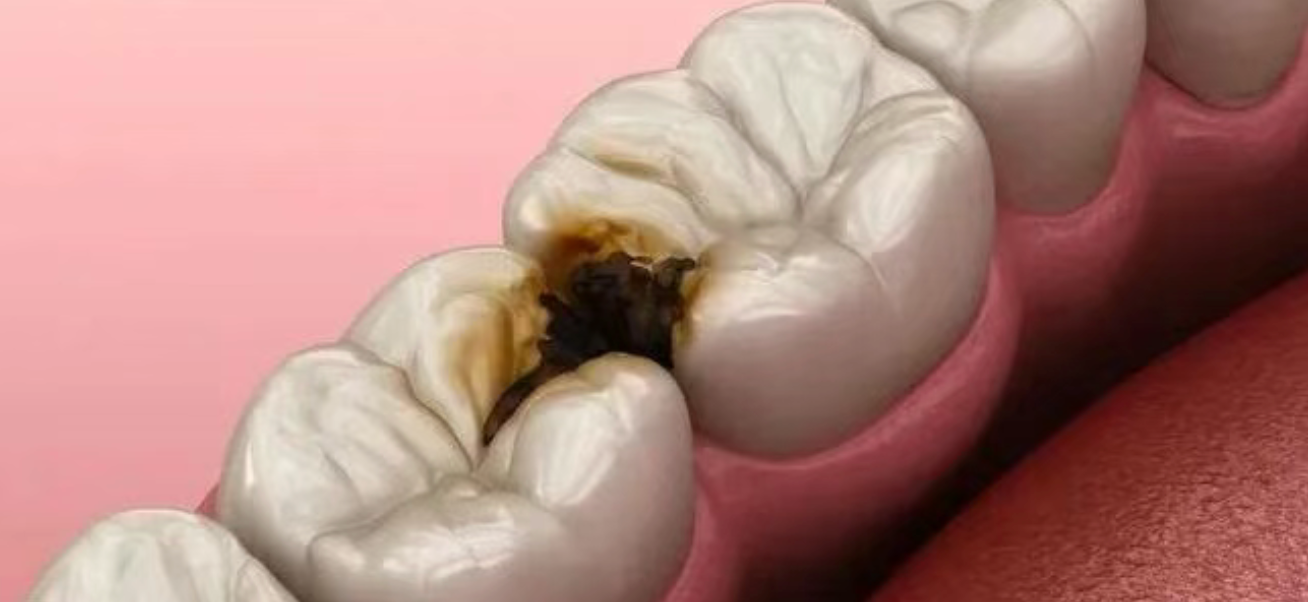
▲The interproximal surface of teeth refers to the area where two teeth come into contact with each other. It is often inaccessible during regular brushing, making it prone to plaque accumulation and food residue impaction, ultimately leading to the occurrence of interproximal caries
In addition to dental plaque as the initiating factor ("culprit") of caries development, food (metabolic substrates for bacterial acid production), host (susceptibility of the teeth themselves), and time also influence the occurrence of caries. Together with dental plaque, they are known as the four-factor model of caries, which constitutes the basic framework of modern caries pathogenesis theory.
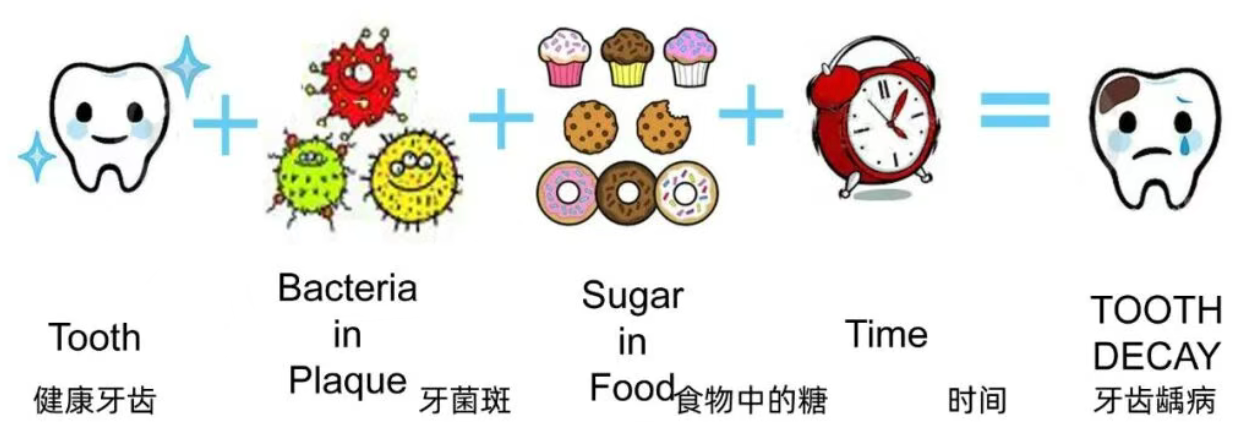
▲The occurrence of dental caries is the result of the combined effects of four factors: bacteria, food, host, and time
The chemical composition of food is closely related to its cariogenicity, with foods high in sugar content having a strong cariogenic effect. Carbohydrates such as sucrose serve as metabolic substrates for bacteria, providing nutrients for their survival on the one hand, and on the other hand, their metabolic products (organic acids) can cause enamel demineralization. Foods rich in vitamins and minerals have anti-cariogenic properties. Minerals affect the occurrence of dental caries by influencing tooth structure and bacterial metabolism. Calcium and phosphorus have the greatest impact on tooth development and anti-cariogenic properties. A lack of calcium and phosphorus during tooth development weakens the teeth's resistance to caries. The presence of phosphate in the diet, whether in organic or inorganic form, can reduce the occurrence of caries.
The physical properties of food also affect its cariogenic potential. Foods with high viscosity and strong adhesion tend to linger on the tooth surface for a longer time, thus having a stronger cariogenic effect. Rough, fibrous foods have a self-cleaning effect on the tooth surface when chewed, which can reduce the occurrence of dental caries. The host, that is, the tissue and structure of the teeth themselves, also affect the occurrence of dental caries. For example, fluoride, as a trace element in tooth structure, forms fluorapatite, which has a more stable crystal structure than hydroxyapatite and is less soluble in acid than hydroxyapatite. Areas of enamel with high fluoride content have a lower chance of developing dental caries, while enamel hypoplasia or incomplete mineralization can accelerate the progression of dental caries.
The newly erupted teeth have low mineralization, contain numerous micropores, and are susceptible to acid erosion. After eruption, fluoride-induced remineralization leads to the formation of fluorapatite, enhancing the caries resistance of the teeth. Additionally, enamel resistance increases with age. Anomalous tooth morphology, such as deep and narrow pits and fissures, can trap plaque and food, leading to caries. Similarly, irregularly aligned teeth are also prone to plaque and food retention. Caries is a chronic progressive disease. It generally takes 1.5 to 2 years from early caries to visible significant caries lesions. Therefore, even if cariogenic bacteria, metabolizable substrates, and susceptible teeth coexist, caries does not occur immediately. It must undergo a series of processes, including the deposition of acquired films, plaque formation, bacterial metabolism producing acid, and maintaining a low pH for a period of time leading to demineralization. Thus, time is another important factor in the occurrence of caries.
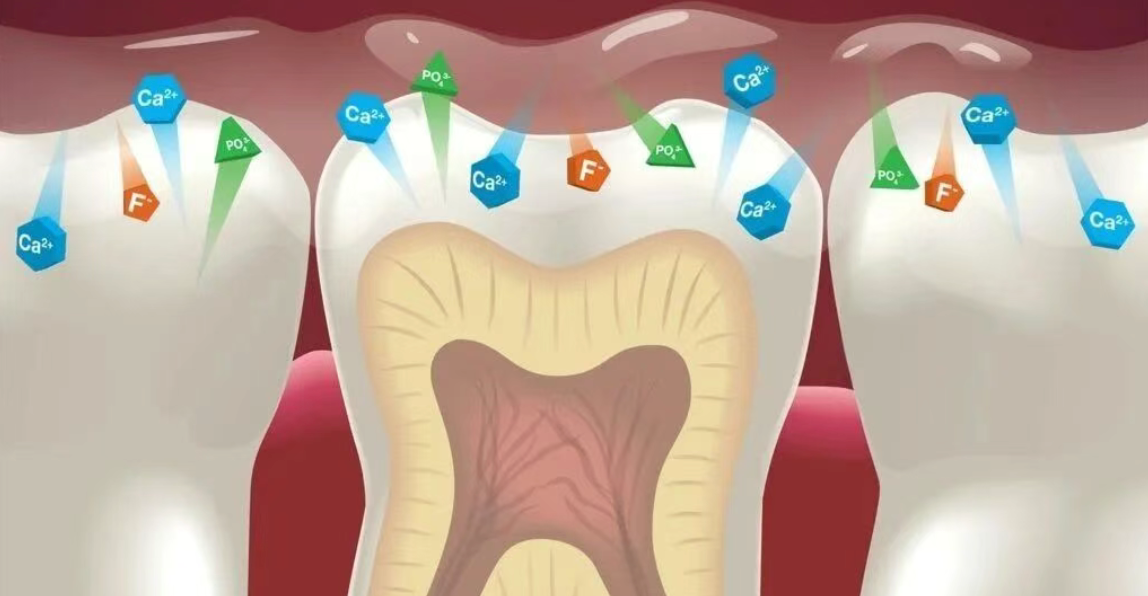
▲The demineralization and remineralization of teeth is a complex and dynamic process
Due to the constantly changing oral plaque environment, mineral ions in saliva can re-deposit at higher pH levels, achieving remineralization of teeth. Therefore, the occurrence of dental caries is a complex and dynamic process, where demineralization and remineralization of teeth occur alternately. When the demineralization of dental hard tissue outpaces remineralization, dental caries occurs.
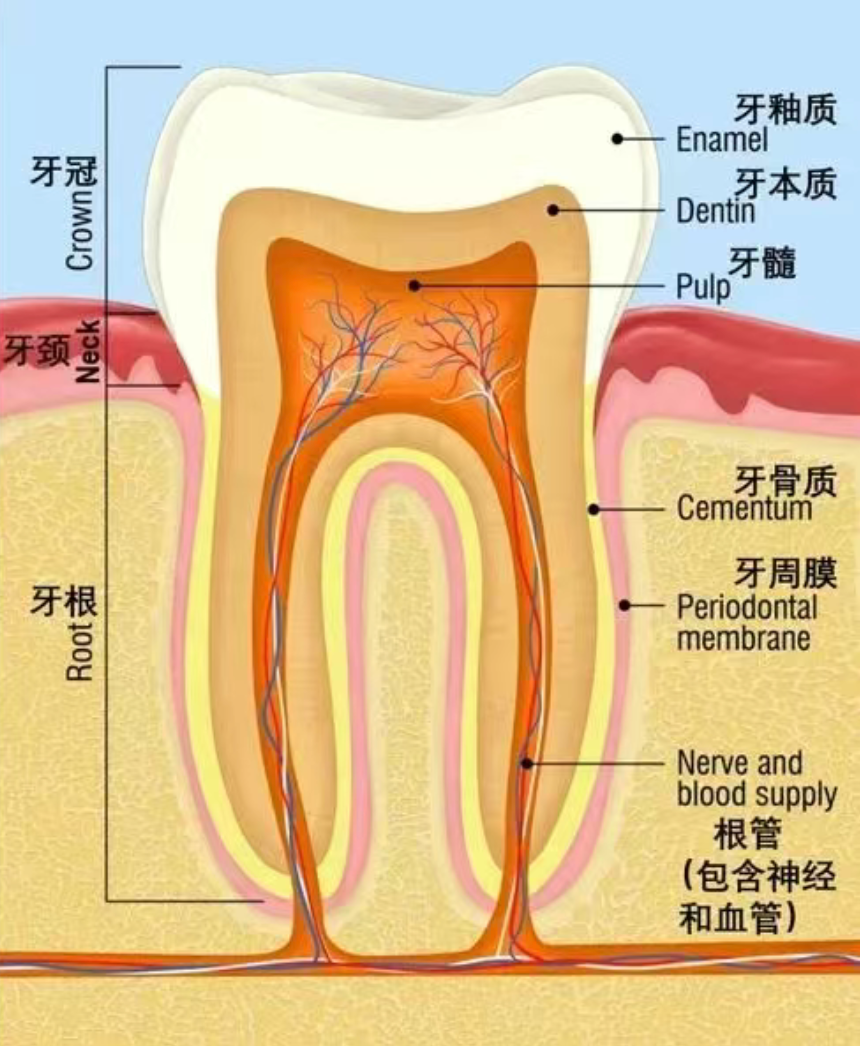
In a healthy state, a tooth is composed of three layers of mineralized hard tissues from the outside to the inside: enamel, dentin, and cementum, with the pulp (dental nerve) surrounding the innermost part.
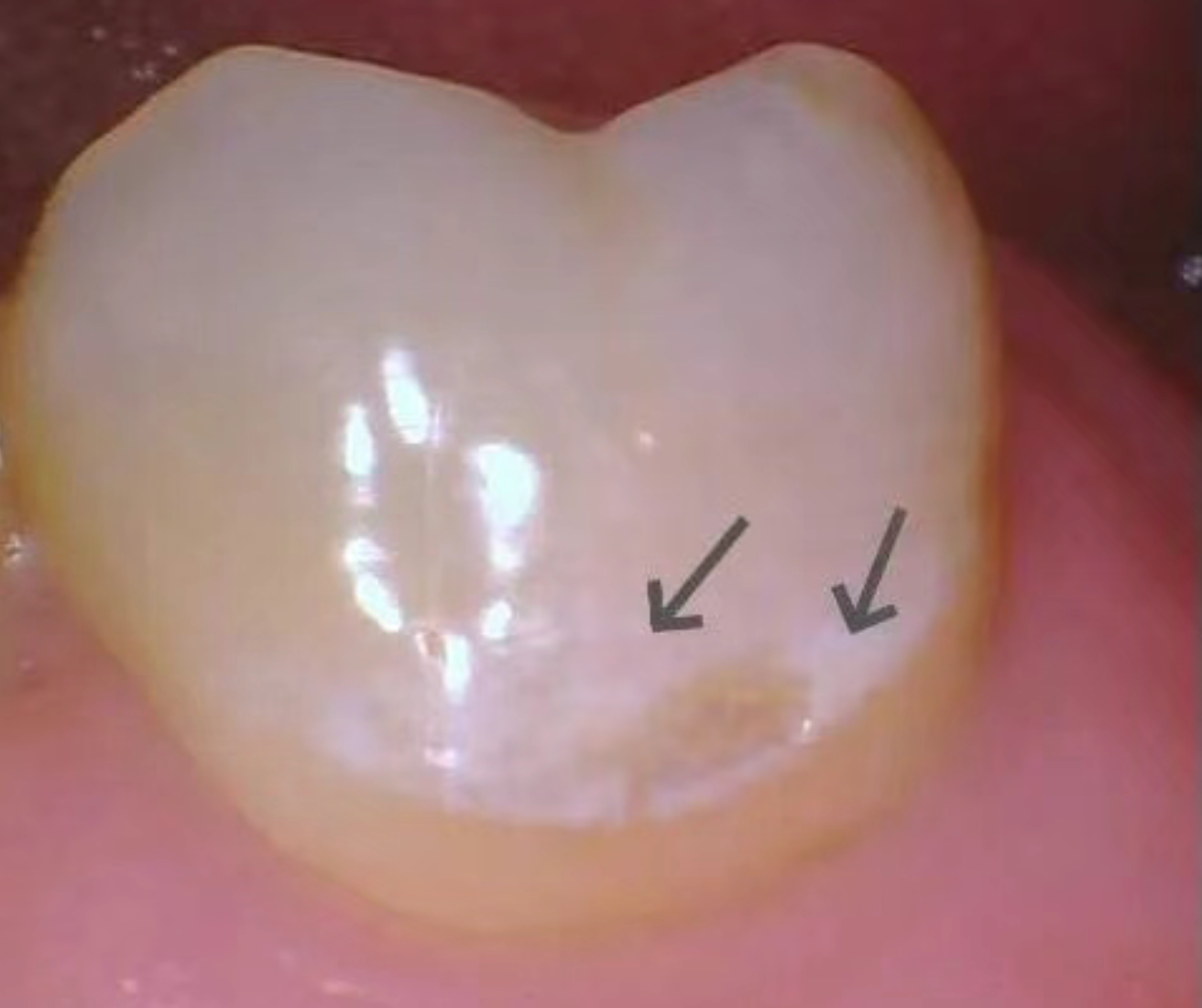
The symptoms and manifestations of dental caries vary depending on the location and depth of the lesion invading the tooth. When caries is limited to the enamel layer, the initial stage involves demineralization of the enamel surface, leading to decreased transparency in the lesion area. The enamel appears chalky white, distinguishing it from the surrounding normal transparent enamel. This opacity is due to changes in the refractive index of the enamel caused by decalcification.
▲After decalcification of the enamel surface, its light refractive index changes, transparency decreases, and it turns chalky white
Later, due to pigment deposition, the white patchy lesions develop yellow or brown pigment deposition and extend to the surrounding tissues. At this stage, the enamel is still hard and smooth, and the progression of the lesions can be halted through remineralization treatment. If no measures are taken at this stage, demineralization will continue for weeks to months, and the lesion area will gradually become rough. As inorganic demineralization and organic decomposition continue, the enamel will eventually disintegrate, and black spots or patches will appear on the tooth surface. At this point, the tooth surface texture becomes soft, and shallow caries cavities have formed.
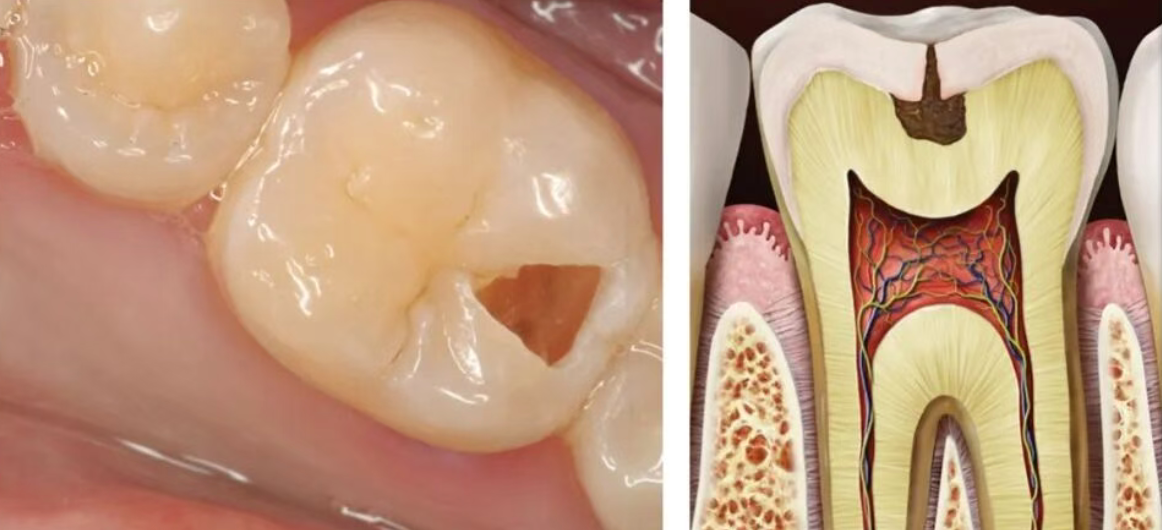
▲Shallow caries, mainly occurring in the enamel layer, presents as black spots or patches on the surface of the teeth, without any pain sensation
Since the enamel layer is primarily composed of inorganic minerals and lacks nerve cells, at this stage, caries presents no noticeable symptoms other than changes in tooth color and softening of texture. However, once a cavity is formed, the progression of the disease becomes easier, as bacteria and plaque become trapped within the cavity, making it difficult to remove. The cavity will gradually deepen and expand, continuously damaging the tooth tissue. As the enamel damage progresses deeper, it will invade the dentin layer, leading to moderate caries/dentin caries.
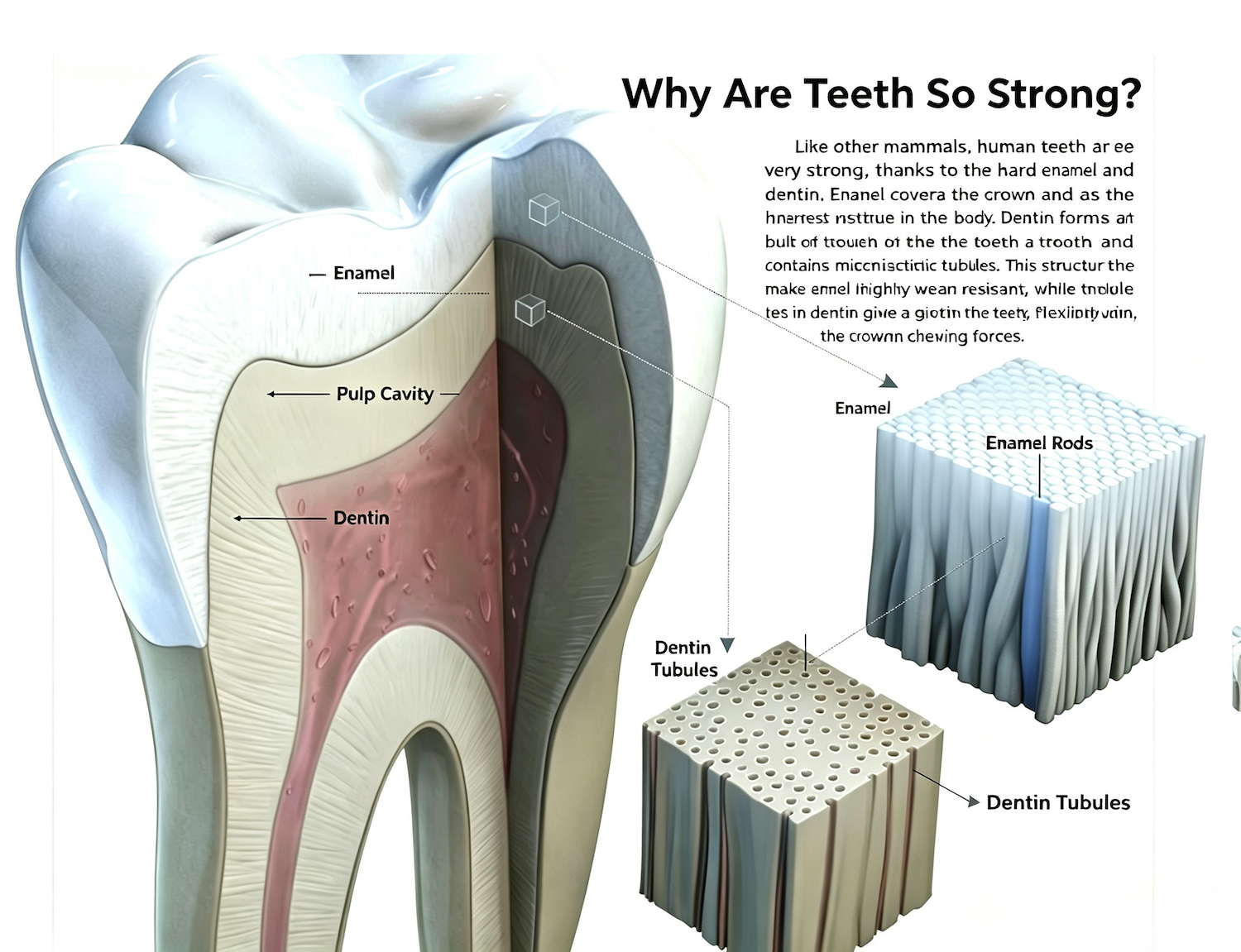
Unlike the mineral crystal structure of the enamel layer, dentin contains numerous dentin tubules, within which there are odontoblast processes and fluid circulation. The pulp tissue contains nerves, blood vessels, and various cells, which are integrated with the dentin through odontoblast processes. When dental caries occurs in the dentin, pathological stimuli can be transmitted to the pulp tissue through the dentin tubules and odontoblast processes, leading to different reactions in the pulp tissue. When enamel is lost, the exposed dentin tubules become a pathway between the pulp and the oral environment. Dentin has a significant reaction to external mechanical, temperature, and chemical stimuli, resulting in pain sensation.
▲Dentin is composed of many small, fluid-filled tubules, through which external stimuli can be transmitted to the dental pulp
Therefore, when caries reaches the dentin layer, the tooth becomes sensitive to external stimuli and symptoms begin to appear. The main manifestation is that when eating cold, hot (temperature stimuli) or sour, sweet foods (chemical stimuli), food enters the cavity and causes transient sensitivity. Once the stimulus is removed, the symptoms immediately disappear without persistent pain. At this point, a cavity has already formed, and treatment involves removing the infected and softened dental tissue and performing a filling procedure (dental filling).
▲Moderate caries, with caries progression to the dentin layer, resulting in obvious caries cavities and symptoms of cold, heat, sour, and sweet stimuli
The development process of dentin caries is more rapid than that of enamel caries. If no measures are taken at this stage, the caries will continue to progress deeper into the dentin, forming a distinct caries cavity. In addition to obvious symptoms of sensitivity to hot, cold, sour, and sweet stimuli, there may also be transient pain symptoms caused by food impaction in the cavity. The tooth pain symptoms at this stage are all clearly caused by stimulation. If left untreated, the lesion will invade the pulp (dental nerve), leading to the secondary disease of caries - pulp disease, which presents with spontaneous pain symptoms without obvious causes, and the pain is intense.
How to Prevent Caries Due to the slow progression of the pathological process of caries, there are no obvious symptoms in the early stage, making it difficult to attract people's attention. Once teeth are affected by caries, if the local pathogenic factors such as plaque are not removed, the lesion will continue to progress slowly, and it is difficult to stop automatically, nor is it self-healing.
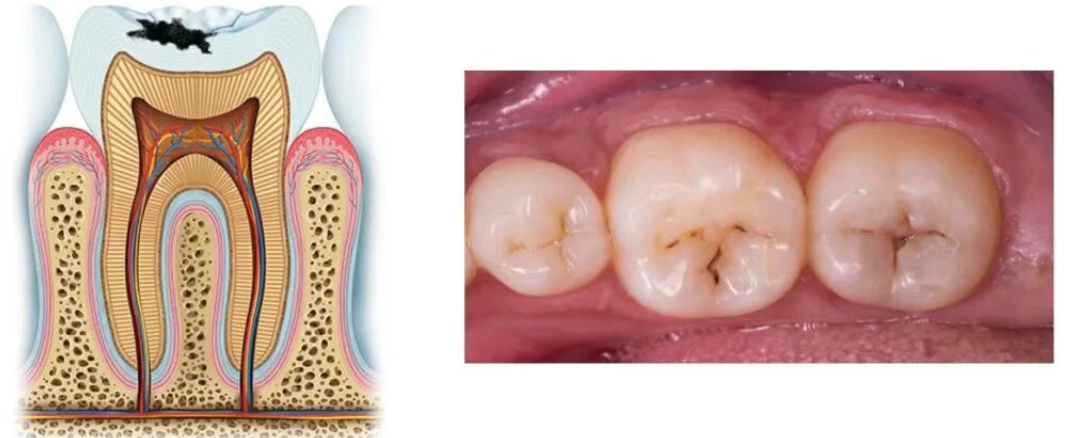
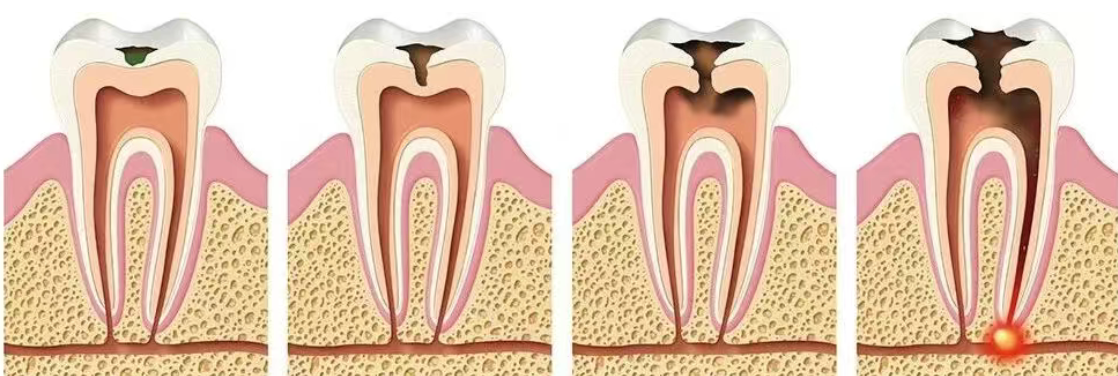
▲Caries progresses slowly, with no obvious symptoms in the early stage. If not treated in time, the lesion will progress from superficial to deep, causing more severe symptoms and consequences
Dental tissue is eroded, with lesions progressing from small to large and from shallow to deep, affecting the pulp and subsequently leading to pulp inflammation, degeneration, and even necrosis, which further results in periapical periodontitis. The teeth eventually become residual crowns and roots, losing their chewing function. Therefore, it is particularly important to prevent caries in the first place. According to the stage of caries, three levels of prevention can be adopted. Primary prevention is aimed at preventing the causes of caries before they occur. It includes: ₷Maintaining oral hygiene Because the initiating factor of caries is dental plaque biofilm, regularly removing dental plaque through brushing and flossing and maintaining good oral hygiene are fundamental measures to prevent caries. ☞Four steps towards healthy teeth ₷Controlling sugar intake Reducing sugar intake, especially avoiding frequent consumption of sugary foods and drinks, can reduce the opportunity for bacteria to ferment sugar and produce acidic substances, thereby lowering the risk of caries.
Using fluoride: In addition to enhancing the acid resistance of teeth, fluoride can also inhibit bacterial metabolism and prevent the occurrence of dental caries. Besides brushing teeth with fluoride toothpaste (which promotes the formation of fluorapatite), children can also undergo pit and fissure sealing (improving tooth morphology) under the guidance of a doctor, and regularly apply fluoride to specifically enhance the anti-caries ability of teeth.
The secondary and tertiary prevention of dental caries involves early diagnosis and treatment as soon as possible after the occurrence of tooth decay, promptly removing the damaged tooth tissue, and performing filling and restoration. Therefore, in addition to taking preventive measures against dental caries at home, it is also important to undergo regular dental check-ups at the hospital to detect early symptoms of dental caries in a timely manner and take appropriate treatment measures to prevent further progression of the condition.