
With the popularization of digital implant technology, dental implant surgery has become one of the core equipment of modern dental clinics. However, facing the dazzling array of brands and models on the market, how to choose an implant surgery with high cost performance and adapted to the needs of the clinic? This article will combine industry data and clinical experience to provide you with a detailed purchase guide from three dimensions: technical performance, cost-effectiveness, and after-sales service.
1. Clarify the needs: clinic positioning and case type
Before purchasing an implant surgery, you need to clarify the following issues:
Clinic positioning: high-end specialist clinic (focusing on complex implants) vs comprehensive clinic (mainly conventional implants).
Case type: proportion of single implants, All-on-4/6 full-mouth restorations, immediate weight-bearing and other surgeries.
Budget range: imported equipment (500,000-1.5 million yuan) vs China equipment (150,000-500,000 yuan).
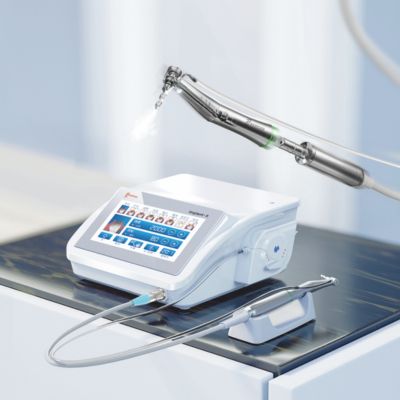
Example:
Small clinic: mainly single implants, it is recommended to choose China mid-range models (such as Woodpecker ZT-01, which supports dynamic navigation and costs about 250,000 yuan).
Specialized hospitals: need to handle complex cases (such as bone augmentation, maxillary sinus lift), recommend imported high-end models (such as Nobel Biocare X-Guide, accuracy 0.1mm, price about 800,000 yuan).
2. Analysis of 7 core performance indicators
1. Torque control accuracy
Importance: directly affects the initial stability of the implant and reduces the risk of bone thermal damage.
Parameter standard:
Torque range: 15–80 N·cm (covering bone types I-IV).
Control accuracy: error ≤±5%.
Recommended technology: closed-loop servo motor (such as Straumann CARES system).
2. Navigation positioning system
Technology type:
Dynamic navigation (accuracy 0.1–0.3mm, path can be adjusted during surgery, suitable for complex cases).
Static guide (accuracy 0.3–0.5mm, low cost but poor flexibility).
Preferred brands: X-Guide (USA), DIO Navi (South Korea).
3. Implantation handpiece performance
Speed and cooling:
Low-speed drill (50–800 RPM): used for bone cutting, dual cooling system (internal/external water spray) is required.
High-speed drill (1200–2000 RPM): used for hole preparation, brushless motor (lifespan up to 100,000 hours) is recommended.
4. Digital compatibility
Essential functions:
Support CBCT and oral scan data import (STL/DICOM format).
Can be connected to CAD/CAM software (such as 3Shape, exocad).
5. Convenience of operation
Human-computer interaction:
Chinese and English touch screen, clear interface logic.
Preset implant brand database (such as Nobel, ITI, Osstem).
6. Safety and disinfection
Hospital infection requirements:
The handpiece head can be sterilized at high temperature and high pressure (134°C, 0.22 MPa).
The IP protection level of the whole machine is ≥IP22 (dustproof and waterproof).
7. Extended functions
Value-added modules:
Bone augmentation mode (ultrasonic bone knife integration).
Implant mobility detection (ISQ value measurement).
3. Brand comparison: imported vs. China equipment
Indicators | Imported brands (such as Nobel, Straumann) | China brands (such as Woodpecker, Sirona)) |
Accuracy | 0.1–0.2mm | 0.3–0.5mm |
Price | 500,000–1.5 million yuan | 150,000–500,000 yuan |
After-sales response | Within 48 hours (need to rely on regional agents) | 24 hours (local service team) |
Applicable scenarios | Complex cases, high-end clinics | Conventional implants, small and medium-sized clinics
|
4. Cost control and investment return analysis
Direct costs:
Equipment procurement costs: 60%–80% of the total investment.
Consumables costs: implant mobile phone drill (about 200–800 yuan/piece), navigation guide (500–2000 yuan/case).
Hidden costs:
Training costs: imported equipment operation training is about 20,000–50,000 yuan/time.
Maintenance costs: The cost of replacing the motherboard of imported equipment is as high as 30,000–80,000 yuan.
Payback period: Calculated at 8,000 yuan per implant, if an average of 10 surgeries are performed per month, the payback period for imported equipment is about 18-24 months, and for China equipment is about 8-12 months.
V. After-sales service: 4 questions to avoid pitfalls
Warranty scope: Does it include core components such as sensors and motors?
Technical support: Is free operation training and regular software upgrades provided?
Accessories supply: Are consumables compatible with third-party brands?
Emergency repair: Can a spare machine be provided for temporary use?
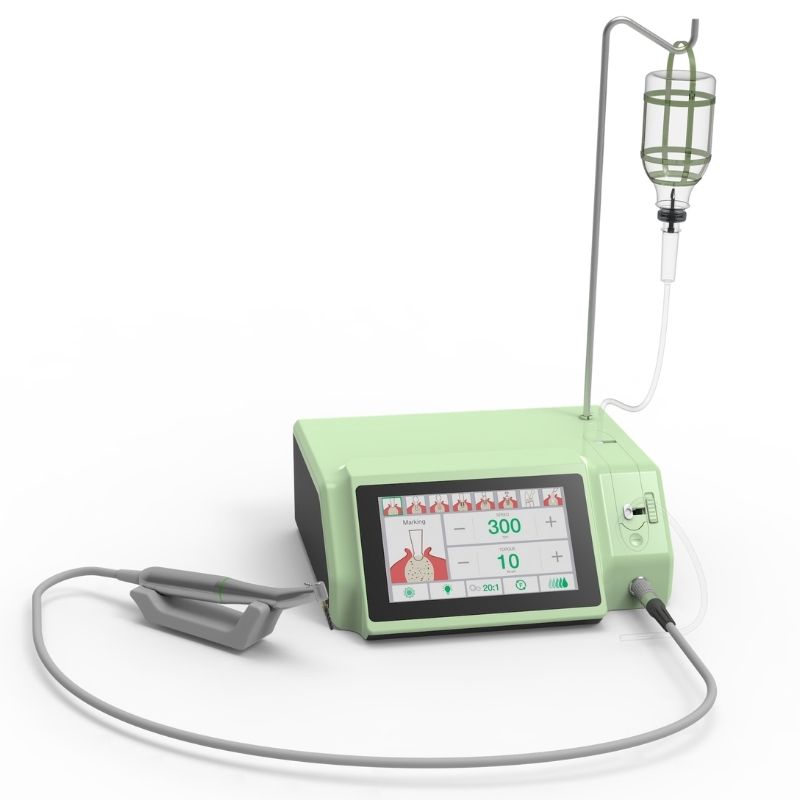
VI. Recommended popular models
Cost-effective choice: Woodpecker (China, supports dynamic navigation).
Best dental(China, supports dynamic navigation)
High-end flagship: Nobel Biocare (imported, accuracy 0.1mm).
Entry-level model: Sino iImplant (China, basic navigation function).
Conclusion
When choosing a dental implant surgery, do not blindly pursue "high configuration" or "low price", but make a comprehensive assessment based on the clinic's positioning, case needs and long-term operating costs. It is recommended to give priority to participating in the manufacturer's offline experience meeting and test the performance of the equipment on site. Investing in a high-quality implant surgery can not only improve the success rate of the operation, but also symbolize the clinic's technical strength, helping you stand out in the fierce competition.
To know more about dental implant surgery, please click or contact [email protected], Whatsapp +8615347868693.