
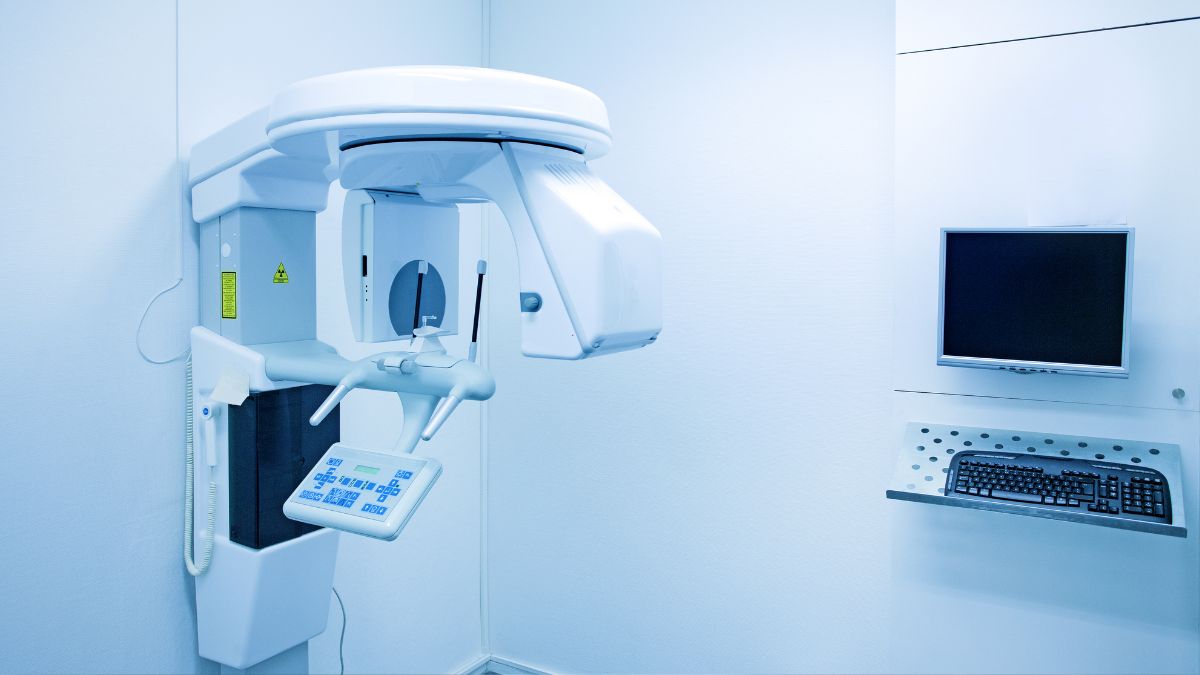
Dental digital imaging equipment is specialized dental equipment that images oral and maxillofacial structures in digital form. It replaces traditional film-based imaging technology, offering advantages such as faster imaging speed, lower radiation dose, and the ability to digitally process and store images. It is a core tool in modern dental diagnosis, treatment planning, and efficacy evaluation.
These devices are mainly divided into the following categories:
I. Intraoral Digital Imaging Equipment
1. Digital Dental X-ray Machine (Intraoral Sensor): Replacing traditional dental X-ray film, the sensor is placed directly in the mouth to capture localized images of single or multiple teeth, used for examining problems such as caries, periapical periodontitis, and alveolar bone resorption. Compared to traditional X-rays, the radiation dose can be reduced by 50% to 90%, and the images can be displayed instantly on a computer.
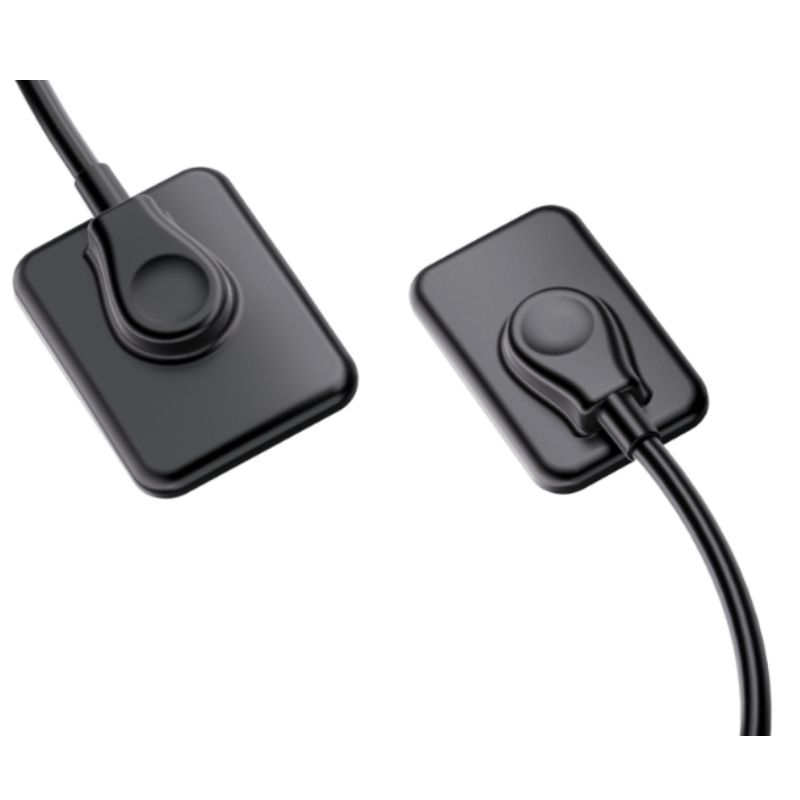
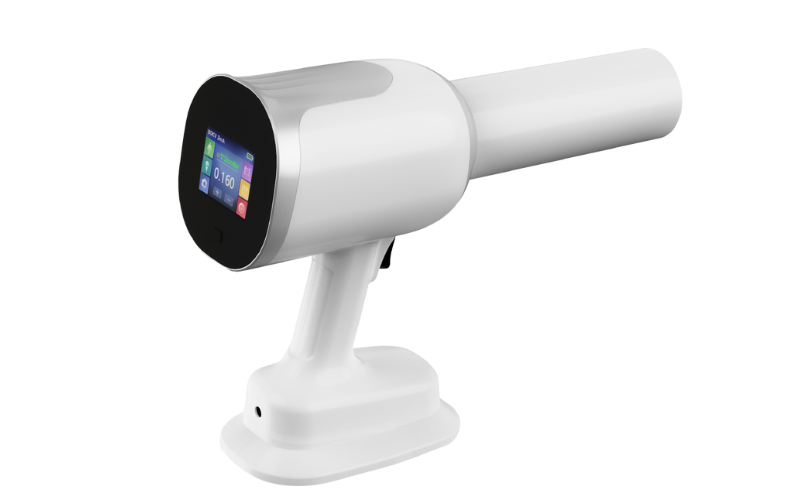
2. Digital Periapical X-ray Machine: Similar in principle to the dental X-ray machine, it focuses more on imaging the periapical region of the tooth, commonly used for pre-operative assessment and post-operative review in root canal treatment.
II. Extraoral Digital Imaging Equipment
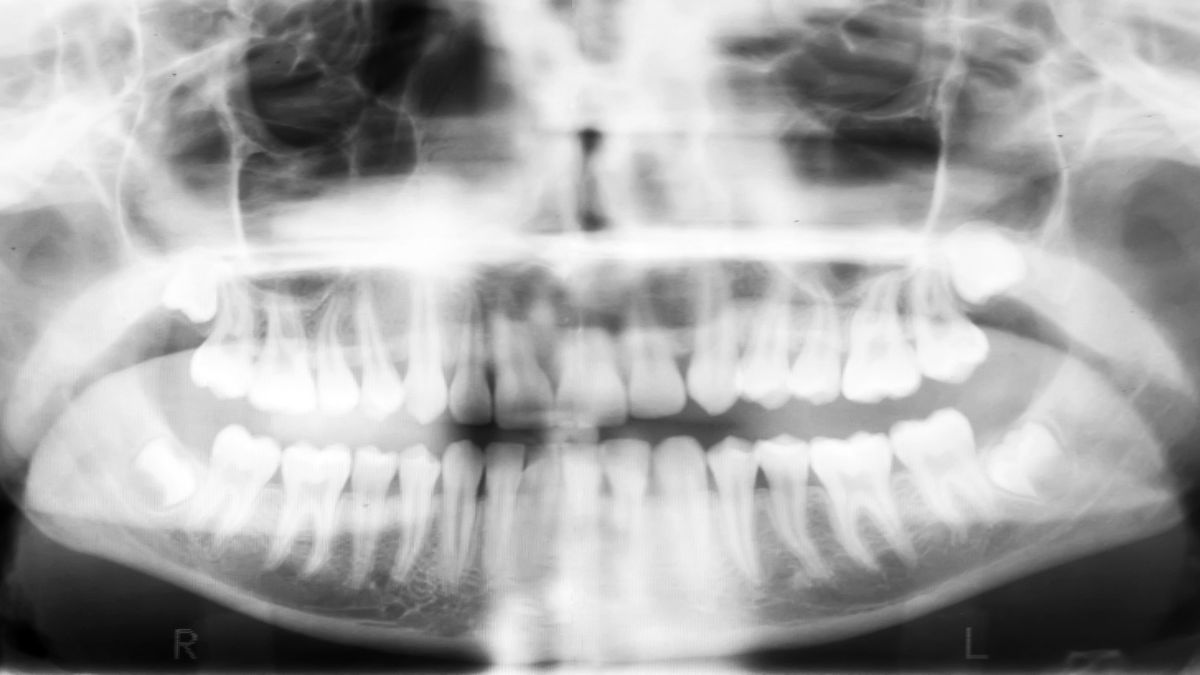
1. Panoramic X-ray Machine (Curved Tomography Machine): This device can capture panoramic images of the entire dentition, jawbone, and temporomandibular joint in a single shot, clearly displaying the arrangement of the entire dentition, jawbone morphology, and impacted wisdom teeth. It is a commonly used device for routine dental examinations.
Cephalometric X-ray Machine: Captures lateral images of the skull, mainly used for cephalometric analysis in orthodontic treatment, assessing the positional relationship between the jawbone and teeth, and developing orthodontic treatment plans.
2. Cone-Beam Computed Tomography (CBCT): This is a high-precision three-dimensional imaging device in dentistry. It generates three-dimensional images of the oral and maxillofacial region through cone-beam X-ray scanning. It can clearly display the spatial relationships of structures such as teeth, alveolar bone, nerve canals, and maxillary sinuses, and is widely used in pre-operative planning for dental implants, complex root canal treatments, and diagnosis of jawbone lesions.
III. Auxiliary Digital Imaging Equipment
1. Intraoral Camera: Although not an X-ray imaging device, it is also a digital imaging tool. Using a miniature camera, it captures real-time images of the surface of oral soft and hard tissues. It can be used to examine caries, dental calculus, and mucosal lesions, and allows patients to see their oral problems directly.
2. Digital Occlusal Analyzer: Used to record and analyze the position and force of occlusal contact, assisting in the design of restorative and orthodontic treatment plans.
The core advantage of dental digital imaging equipment lies in the fact that images can be directly magnified, contrast-adjusted, and measured on a computer. They can also be easily stored, transmitted, and shared, improving diagnostic accuracy and treatment efficiency.
Dental Digital Imaging Equipment Market Size and Development Trends.
Market Size
Global Market
2024: Approximately US$6.91 billion, with a compound annual growth rate of 8.7% (2025-2031)
2031 Forecast: Expected to reach US$12.29 billion, nearly doubling in market size within 5 years
Digital Dental Equipment: Reached US$4.529 billion in 2024, with an annual growth rate of 8.9%, expected to reach US$8.169 billion in 2031
Dental CBCT: Reached US$2.589 billion in 2024, with an annual growth rate of 13.1%, expected to reach US$6.046 billion in 2031
Intraoral Scanners: Annual growth rate as high as 22.1%, expected to reach US$3.56 billion in 2030
Chinese Market
2024: Approximately 8.764 billion RMB, accounting for about 27% of the global market
2025 Forecast: Expected to exceed 12 billion RMB, with a compound annual growth rate of 12-15%, higher than the global average
2030 Forecast: Expected to reach 15-21 billion RMB, with market penetration increasing from the current 35% to 65%
Dental CBCT: Approximately 3.87 billion RMB in 2024, with an annual growth rate of 14.2%, expected to exceed 5 billion RMB in 2026 and reach 13.6 billion RMB in 2030
Panoramic X-ray Machines: Approximately 2.85 billion RMB in 2022, expected to reach 4.13 billion RMB in 2025, with an annual growth rate of 13.2%
Market Structure and Product Segmentation
Product Type Proportion (2023-2024)
CBCT Equipment: Accounts for approximately 42%, the largest segment, with an 18% annual increase in installations, and penetration rate moving from 37.6% towards 65%
Intraoral Scanners: Accounts for approximately 25%, with a growth rate of 26%, driven primarily by the expansion of the invisible orthodontics market
Panoramic X-ray Machines: Accounts for approximately... 18%, stable demand from primary healthcare
Intraoral X-ray sensors: account for approximately 10%, digital replacement of traditional film
Others: including endoscopes, occlusal analyzers, etc., accounting for approximately 5%
End-user distribution
Dental specialty hospitals: account for 41.6% of procurement volume, preferring high-end CBCT (850,000-1,200,000 RMB/unit)
Dental departments of general hospitals: contribute 28.3% of procurement volume, preferring mid-range panoramic X-ray machines (450,000-650,000 RMB/unit) and intraoral scanners (180,000-250,000 RMB/unit)
Chain dental clinics: 22.7% growth rate, preferring compact CBCT (600,000-800,000 RMB/unit) and portable equipment, with a replacement cycle of 5-6 years
Community medical institutions: 17.9% annual growth, mostly choosing basic dental X-ray machines (30,000-80,000 RMB/unit)
Market Growth Drivers
1. Demand-side factors
Increased awareness of oral health: rising incidence of caries and periodontal disease, increased demand for cosmetic dentistry, driving the popularization of advanced diagnostic tools
Aging population: increase in the population over 65 years old, surging demand for dental implants and denture repair, making CBCT a necessity
Expansion of private dental clinics: the number of clinics increases by 15% annually, exceeding 35,000 in 2023, resulting in strong demand for equipment upgrades
Policy support: the National Health Commission requires that the CBCT configuration rate of dental specialty hospitals above Level 2 reach 100% before 2025
2. Technology-driven factors
Improved imaging quality: CBCT resolution reaches 0.08mm, intraoral scanner accuracy reaches 5μm, improving diagnostic accuracy by 5 times
Reduced radiation dose: digital equipment reduces radiation by 70-90% compared to traditional film, making it safer
Convenient operation: shorter scanning time (intraoral scanner < 40 seconds, CBCT < 8 seconds), instant display of results, improving diagnostic and treatment efficiency
3. Market environment factors
Accelerated domestic substitution: the localization rate increased from 16.3% (CBCT) in 2020 to 56.44% in 2024, with a price advantage (lower) (30-40%) Significant
Grassroots Healthcare Downward Expansion: Increased equipment allocation in county-level hospitals and community clinics, leading to a surge in demand for portable devices. The market size reached 1.23 billion RMB in 2024 and is expected to exceed 2 billion RMB by 2026.
Technological Development Trends
1. Deep Integration of AI
Intelligent Diagnosis: AI systems automatically identify 32 common dental lesions, with a caries detection accuracy of over 95%, reducing diagnosis time from 15 minutes to 3 minutes.
Implant Navigation: AI-assisted implant plan generation time reduced from 2 hours to 20 minutes, with surgical error controlled within 0.18mm.
Intelligent Agent Applications: Oral imaging intelligent agents such as "Meiya Imaging Engine" provide full-process assisted diagnosis.
2. Multimodal Image Fusion
CBCT + Intraoral Scan Data Registration: Accuracy exceeds 0.1mm, forming a complete 3D oral model for complex treatment planning such as implants and orthodontics.
Real-time Fusion Technology: Intraoperative CT and facial scan data are updated synchronously, providing precise guidance for implant surgery adjustments.
Digital Twin Technology: Constructing a "virtual oral cavity" for physician training and complex case simulations.
3. Equipment Intelligence and Portability
Wireless: Intraoral sensors and portable X-ray machines support Bluetooth/Wi-Fi transmission, improving operational convenience.
Miniaturization: Handheld CBCT and portable intraoral scanners weigh less than 1.2kg, suitable for grassroots and mobile healthcare.
Cloud Connectivity: Devices are equipped with 5G modules and edge computing, supporting remote consultation with a response time of < 0.3 seconds.
4. Detector Technology Innovation
Amorphous Selenium Flat Panel Detectors: Quantum efficiency increased to 85%, a 15 percentage point improvement over traditional cesium iodide detectors, with a lifespan of over 8 years.
New Photon Counting Detectors: Radiation dose reduced to 0.008mSv, a 70% reduction compared to traditional equipment, with a children's mode as low as 0.005mSv.
Market Competition Landscape
Kavo Group: A global leader, providing full-process digital solutions, with a leading market share in intraoral scanners.
Planmeca: Strong in the high-end CBCT field, with leading technology and products covering the globe. Over 70% of countries
Dentsply Sirona: Strong overall capabilities, complete CBCT and intraoral scanner product lines, and close cooperation with Align in the field of invisible orthodontics.
Carestream: Leading market share in intraoral sensors, with significant advantages in wireless and low-dose technology.
VATECH (South Korea): CBCT cost-effectiveness advantage, continuously increasing market share in the Asia-Pacific market.
Market Share Changes
The market share of Chinese brands increased from 31.2% in 2020 to 45.6% in 2024, exceeding 56% in some areas.
In the private market, the proportion of domestic equipment procurement has exceeded 55%, with a clear cost-effectiveness advantage.
The high-end market is still dominated by international brands, but the gap is rapidly narrowing, and domestic enterprises have achieved mass production of high-resolution models below 160μm.
Future Outlook
1. Market Prospects
Continued expansion: The global market will grow steadily at an annual rate of 8.7%, and the Chinese market will grow at a rate of 12-15%, reaching a market size of 15-21 billion RMB by 2030, with digital equipment accounting for over 70%.
Structural upgrading:
Transformation from single equipment to integrated "equipment + software + service" solutions, with service revenue accounting for 18% to 45% (2030).
The proportion of 3D imaging equipment will increase from 38% to 45%, becoming the core growth engine.
AI-enabled equipment will account for 63% of the market share (2030), becoming a standard feature.
2. Business Model Innovation
"Imaging as a Service" (PaaS): Equipment leasing + revenue sharing model will reach 60% coverage in private institutions.
Cloud imaging platform: DICOM data platform enables cross-institutional retrieval in 15 seconds, covering 62% of medical institutions by 2030.
Remote diagnostic services: Promotion of basic-level imaging and expert cloud-based diagnosis models to address the problem of uneven distribution of medical resources.
3. Challenges and Opportunities
Challenges: Increased competition due to technological homogenization leads to declining gross profit margins, rising data security and compliance costs, and volume-based procurement may compress profits by 10-15%.
Opportunities:
Broad space for domestic substitution, with self-sufficiency in core components already achieved. 70% of the industry chain is currently localized, and the localization rate is projected to reach 85% by 2026.
The "Belt and Road Initiative" is expanding international markets, with exports of domestically produced equipment increasing by 89% year-on-year in the first half of 2024, and market share in Southeast Asia exceeding 15%.
The integration of AI and 5G technology is creating new intelligent diagnostic and treatment scenarios, driving the industry's transformation from equipment suppliers to providers of comprehensive solutions.
Summary
The dental digital imaging equipment market is in a period of rapid development, with steady growth in the global market size and leading growth in the Chinese market. CBCT and intraoral scanners are the fastest-growing segments, and AI and multimodal integration are the mainstream trends in technological development, accelerating the process of domestic substitution. In the next five years, the industry will undergo a transformation towards intelligence, portability, and service-oriented solutions, and the market size will continue to expand, creating vast opportunities for industry professionals and investors.
If you want to know more about dental x ray sensor manufacturer, please click or contact [email protected], Whatsapp +8615347868693.