
The global dental equipment market is undergoing rapid transformation, driven by technological advancements, changing patient demands, and evolving industry dynamics. Here are the top 10 trends predicted to shape the market by 2026, based on industry research and market analysis.
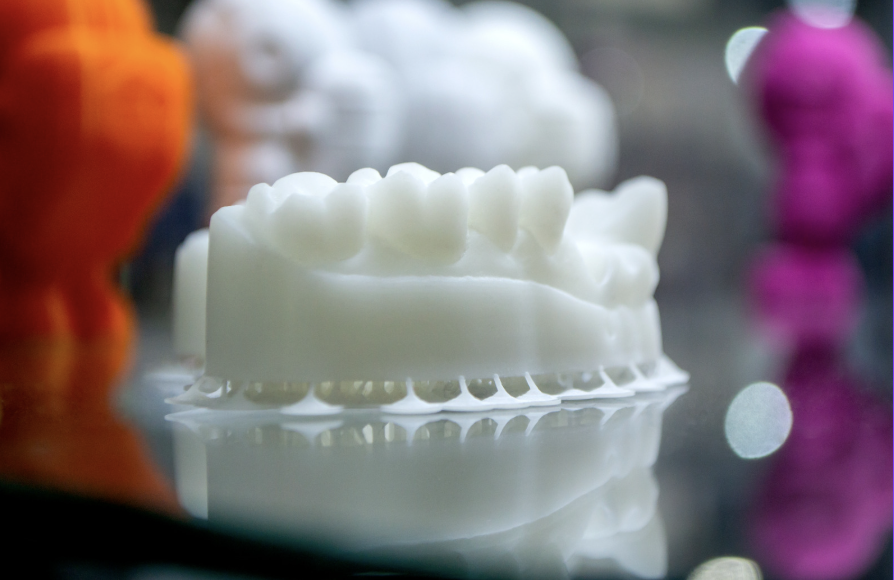
1. Full Adoption of Digital Dentistry
Trend: Digital technologies such as CBCT scanning, CAD/CAM design, and 3D printing will become standard in dental practices
Drivers: Increasing demand for precise treatments and declining costs of digital equipment.
Impact: Traditional tools will phase out, and digital workflows (from diagnosis to treatment) will dominate.
2. AI-Powered Diagnosis and Treatment Planning
Trend: Artificial intelligence (AI) will be widely used in dental imaging analysis, implant planning, and orthodontic design.
Drivers: High accuracy and efficiency of AI algorithms, supported by continuous optimization through big data.
Impact: Improved diagnostic accuracy, reduced treatment time, and minimized human errors.
3. Rise of Robotic-Assisted Surgery
Trend: Robotic systems will be employed for complex procedures such as dental implant placement and root canal treatments.
Drivers: High precision and stability of robotic technology, along with the growing demand for minimally invasive surgeries.
Impact: Reduced surgeon fatigue, higher success rates, and expanded treatment options for complex cases.
4. Boom in Personalized Medical Devices
Trend: Patient-specific devices, such as custom implants and clear aligners, will become mainstream.
Drivers: Advances in 3D printing and biomaterials, coupled with patient demand for personalized care.
Impact: Enhanced treatment outcomes and patient satisfaction, driving growth in the premium equipment market.
5. Adoption of Eco-Friendly and Sustainable Materials
Trend: Environmentally friendly dental materials, such as biodegradable implants and mercury-free fillings, will gain traction.
Drivers: Global environmental policies and increasing consumer focus on sustainability.
Impact: Traditional materials will be phased out, and eco-friendly products will become a competitive differentiator
6. Expansion of Teledentistry
Trend: Remote consultation platforms and at-home dental devices (e.g., smart toothbrushes, intraoral scanners) will become more prevalent.
Drivers: The normalization of telemedicine post-pandemic and consumer demand for convenience.
Impact: Traditional treatment models will evolve, boosting the growth of the at-home dental equipment market.
7. Growth of Minimally Invasive Techniques·
Trend: Minimally invasive procedures, such as laser treatments and micro-implants, will replace traditional surgical methods.
Drivers: Patient sensitivity to pain and recovery time, as well as technological advancements.
Impact: Improved patient experience, shorter recovery times, and broader treatment indications.
8. Rapid Growth in Emerging Markets
Trend: Asia-Pacific and Latin America will become key growth drivers for the dental equipment market.
Drivers: Population growth, expanding middle class, and improved healthcare infrastructure.
Impact: International brands will accelerate their presence in emerging markets, while local players rise.
9. Integration of Oral and Systemic Health
Trend: Dental equipment will increasingly focus on the connection between oral health and overall health (e.g., periodontal disease and cardiovascular conditions).
Drivers: Advances in medical research and growing consumer awareness of holistic health.
Impact: Development and adoption of multifunctional devices, such as oral health monitoring systems.
10. Adoption of Smart Clinic Management Systems
Trend: Smart clinic management systems (e.g., electronic health records, appointment scheduling, inventory management) will become standard.
Drivers: The need for operational efficiency and advancements in IoT technology.
Impact: Improved clinic management, enhanced patient experience, and reduced operational costs.
Market Data and Projections
Market Size: The global dental equipment market is expected to exceed $40 billion by 2025, with a CAGR of 6%-8%.
Key Growth Areas: Digital devices, personalized equipment, and at-home devices will be the fastest-growing segments.
Regional Focus: North America and Europe will remain dominant, but Asia-Pacific (especially China and India) will see the highest growth rates.
Conclusion
By 2026, the global dental equipment market will enter a new era driven by technology, with digitalization, intelligence, personalization, and sustainability at its core. For dental practices and manufacturers, embracing these trends will unlock significant market opportunities and competitive advantages. For patients, these advancements will deliver more precise, comfortable, and convenient treatment experiences.